Learn

Antimicrobial Coatings on Mattresses

Antimicrobial Coatings on Mattresses: Reducing Costs and Increasing Lifespan in Hospitality Antimicrobial coatings contain agents that control the growth of unwanted bacteria and fungi, providing surface protection, minimizing odor generation, and preventing product degradation. They are classified as active (releasing

Discipline
antimicrobial resources
Reading time
1 min
Sections
1
Reviewed by
Pico X Environmental Health
Antimicrobial Coatings on Mattresses

Antimicrobial Coatings on Mattresses: Reducing Costs and Increasing Lifespan in Hospitality

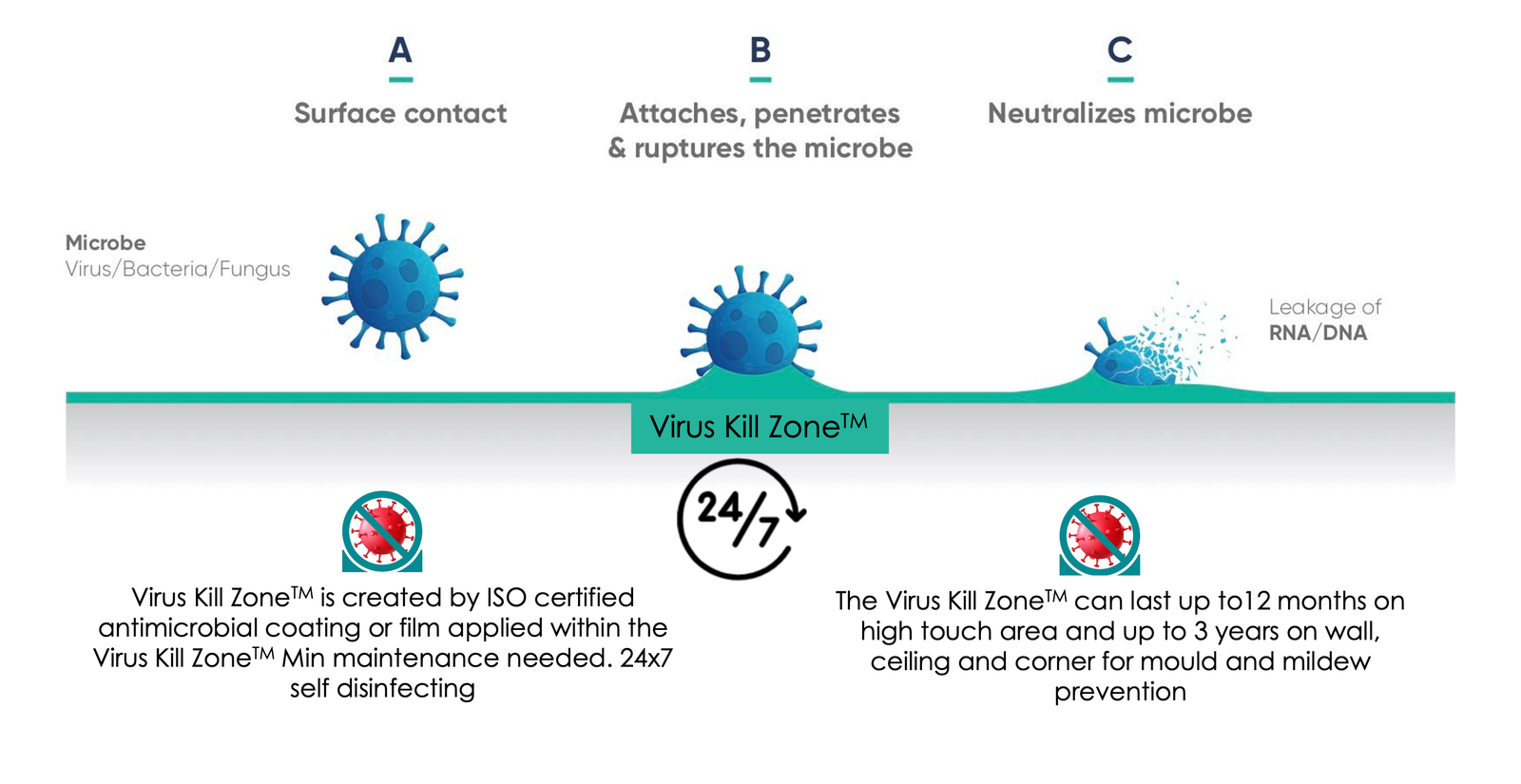
Antimicrobial coatings contain agents that control the growth of unwanted bacteria and fungi, providing surface protection, minimizing odor generation, and preventing product degradation. They are classified as active (releasing antibacterial agents) or passive (resisting bacterial adhesion), and can be applied to hard materials and textiles alike, making them suitable for mattress application.

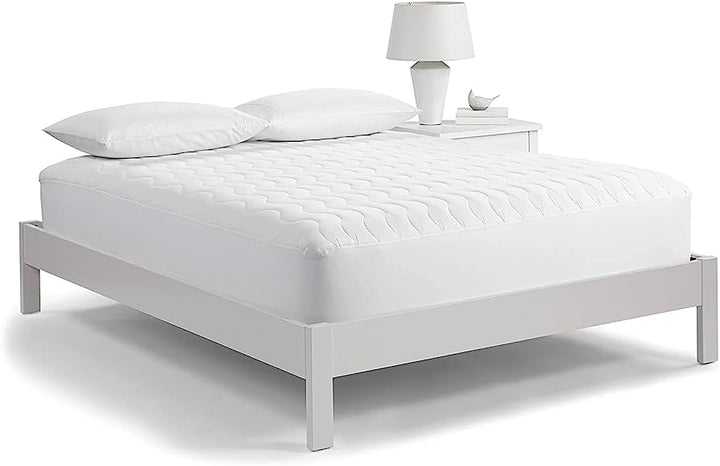
In the hospitality industry, mattresses are prone to colonization by bacteria and molds that degrade quality over time. Applying antimicrobial coatings prevents bacterial and fungal growth that leads to odors, staining, and mattress degradation, substantially improving product lifespan and reducing the need for frequent replacement — resulting in significant cost savings.

Mattresses with antimicrobial coatings also contribute to a cleaner and safer environment for guests, enhancing reputation, customer satisfaction, and potentially higher occupancy rates.

Future challenges include developing controlled release strategies to optimize therapeutic effects, standardizing stability assessment for long-term applications, and understanding the impact of repetitive cleaning and aging on coating performance.

Protect Your Space with Shield23 Pro

Visit shield23pro.com for professional antimicrobial coating for homes, offices, childcare centres, and commercial facilities. NEA-listed, lab-validated.
Scientific review

Written for Singapore's tropical indoor climate and checked by the Pico X environmental health team. 189 words · 1 minute read.

Questions

Antimicrobial Coatings on Mattresses: common questions

What are antimicrobial coatings on mattresses?

Antimicrobial coatings contain agents that control the growth of unwanted bacteria and fungi. They can be applied to textiles, providing mattress surface protection while reducing odours and preventing product degradation.

How do active and passive antimicrobial coatings differ?

Active antimicrobial coatings release antibacterial agents. Passive coatings resist bacterial adhesion, and both types can be applied to hard materials and textiles.

How can antimicrobial coatings extend hotel mattress lifespan?

Antimicrobial coatings prevent bacterial and fungal growth that leads to odours, staining, and mattress degradation. In hospitality, this helps improve mattress lifespan and reduce the need for frequent replacement.

How does repeated cleaning affect antimicrobial mattress coatings?

The impact of repetitive cleaning and ageing on coating performance is identified as an area needing further understanding. Standardising stability assessment for long-term applications is also a future challenge.

Next step

Tell us about your space.

Send a photo of the wall, ceiling or room that worries you. We will tell you what is happening and what it needs.