
Learn
Simplicity health
Research-backed guides for healthier living spaces in Singapore, written by the Pico X Health team.
All simplicity health guides

5 ways to relax your mind yet productive while working from home.
Understanding indoor air quality: what it means, why it matters, and how to improve it. IAQ refers to the condition of air inside buildings and how it affects health and comfort. Key indicators include PM2.5, CO2, VOCs,
Read ↗
Achieving Radiant Skin the Sustainable Way: A Guide to Low-Impact Skincare
Environmental health monitoring technology: modern IAQ sensors can measure PM2.5, CO2, TVOCs, humidity, and temperature in real time, sending alerts to your phone when readings exceed safe thresholds. AI-powered platform
Read ↗
Are Essential Oils Environmentally Safe? Not All
How indoor plants improve air quality: plants like peace lily, snake plant, pothos, and spider plant can absorb VOCs and CO2 while releasing oxygen. However, overwatered plants in high-humidity environments can increase
Read ↗
Chew Your Way to Health: The Benefits of Gummy Supplements over Pills in Singapore
VOCs in your home: sources and solutions. Volatile organic compounds are emitted by paints, varnishes, cleaning products, adhesives, furniture, and flooring. Short-term exposure causes headaches and dizziness; long-term
Read ↗
Embracing Sustainability: A Comprehensive Guide to Low-Impact Skincare
The gut-environment connection: emerging research links indoor microbial diversity to gut microbiome health. Exposure to a range of environmental microorganisms — especially in early childhood — supports immune system de
Read ↗
Empowering Kids to Think Critically When Using AI in Daily Life
The health impact of CO2 indoors: CO2 above 1000 ppm causes drowsiness and reduced cognitive performance; above 2000 ppm leads to headaches and poor concentration. Open windows to ventilate or use mechanical ventilation;
Read ↗
Environment's Impact on Health and Why Environmental Conservation Matters for Our Well-being
How to choose an air purifier: look for true HEPA filtration (removes 99.97% of particles 0.3 microns and larger), activated carbon filter for VOCs and odours, appropriate CADR rating for your room size, low noise level
Read ↗
Healthier Coffee
Environmental health for elderly residents: older adults are more vulnerable to poor IAQ due to reduced lung capacity, weakened immune systems, and more time spent indoors. Priority actions include maintaining temperatur
Read ↗
Honey Processed Coffee: Healthier and Lower in Caffeine
The future of indoor health: smart homes equipped with distributed IAQ sensors, AI that correlates environmental data with occupant health patterns, automated ventilation that responds to real-time readings, and predicti
Read ↗
Low Impact vs Sustainable Lifestyle: Key Differences
Radon and other invisible indoor hazards: radon gas (from soil), carbon monoxide (from combustion appliances), formaldehyde (from furniture and flooring), and lead (from old paint) are serious indoor health risks that ca
Read ↗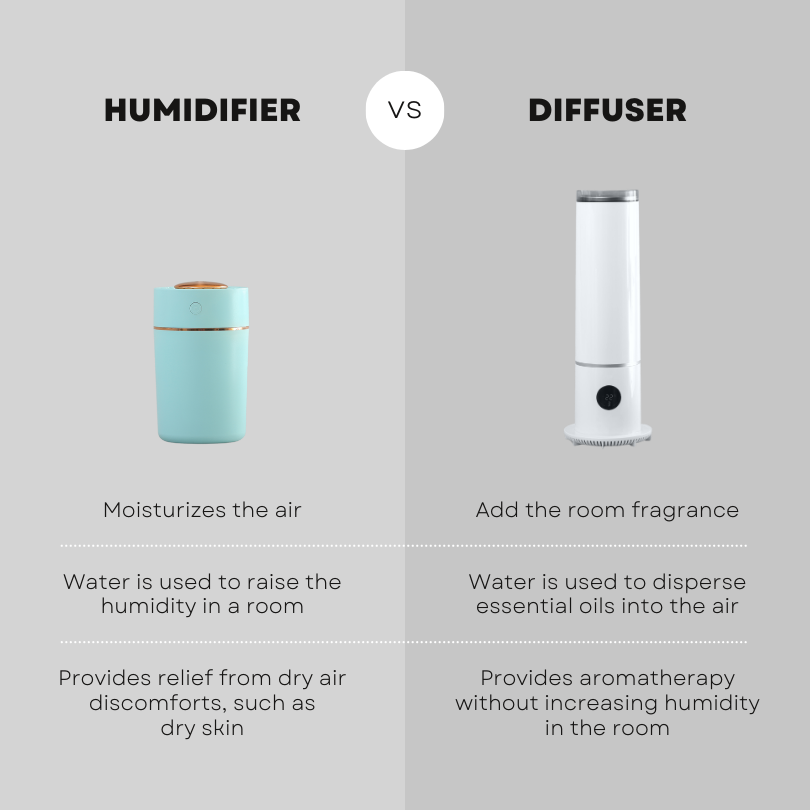
Navigating the Hazards of Humidifiers, Diffusers, and Their Solutions: A Comprehensive Guide
Ventilation strategies for healthier indoor air: cross-ventilation by opening windows on opposite sides of the building; mechanical exhaust fans in bathrooms and kitchens; heat recovery ventilators (HRV) for energy-effic
Read ↗
Nurturing Your Skin and the Planet: A Comprehensive Guide to Low-Impact Skincare
How to make your home a healthier environment: conduct a home health audit covering air quality, humidity, mould risk, chemical exposure, and light quality; fix any identified issues systematically; adopt a regular clean
Read ↗
Pave the Way to Low Impact Living with Pico X Health
Pave the way to low impact living with Pico X Health Low impact living isn't about one big change — it's a handful of smaller swaps that add up: what you clean your home with, what touches your skin, and how you maintain
Read ↗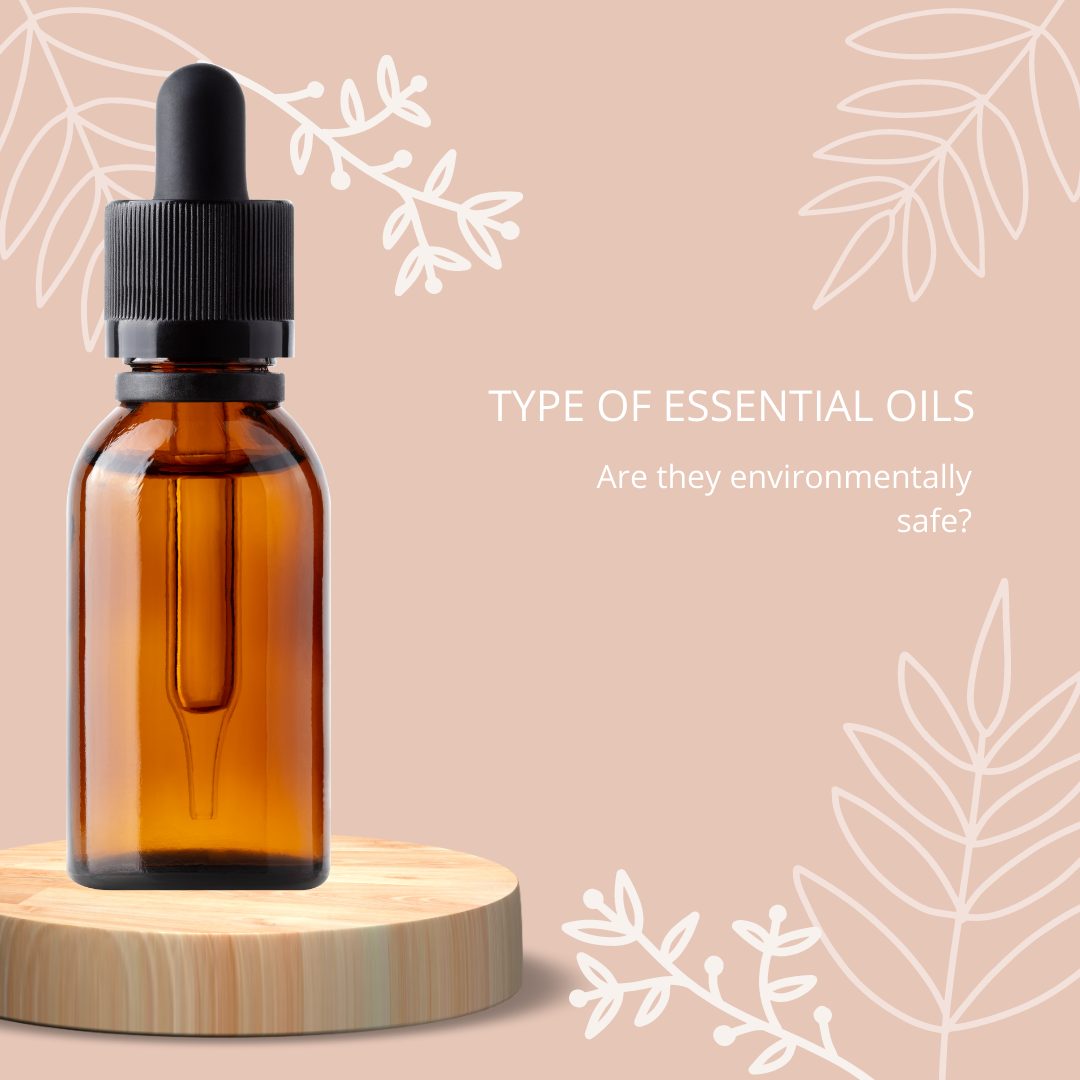
Safe Use of Essential Oils: Decoding Labels and Recognizing Risks
Air quality in offices and workplaces: poor office IAQ is a major driver of sick building syndrome, reduced productivity, and increased absenteeism. Key issues include high CO2 from occupancy, off-gassing from furniture
Read ↗
Simplify Your Health: Tips for a Happier, Healthier Life
How to monitor your indoor air quality: use a dedicated IAQ monitor to track PM2.5, CO2, VOCs, temperature, and humidity; place sensors in bedrooms and living areas; set alerts for when readings exceed safe thresholds; l
Read ↗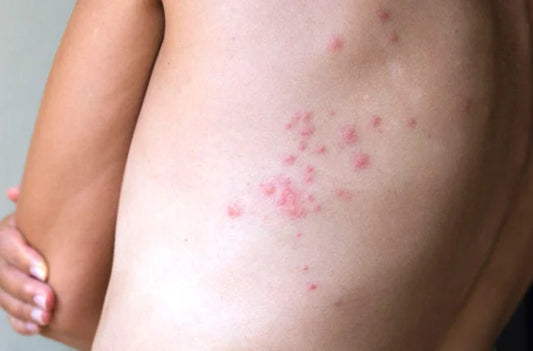
Sleep tight, don't let the bed bug bite!
How to interpret indoor air quality data: PM2.5 below 12 µg/m³ is good, 12-35 moderate, above 35 unhealthy; CO2 below 1000 ppm is good, 1000-2000 moderate, above 2000 poor; TVOC below 0.3 mg/m³ is good, 0.3-1.0 moderate,
Read ↗
Synthetic Fragrance, Natural Fragrance, Essential Oils
Indoor air quality for children's health: children breathe more air relative to body weight than adults, making them more vulnerable to indoor pollutants. Common triggers for childhood asthma and allergies include dust m
Read ↗
Teaching Kids To Think Critically Can Contribute To Better Health Outcomes
PM2.5 and your health: fine particulate matter smaller than 2.5 micrometres penetrates deep into the lungs and bloodstream, causing inflammation, cardiovascular disease, and respiratory conditions. Indoor sources include
Read ↗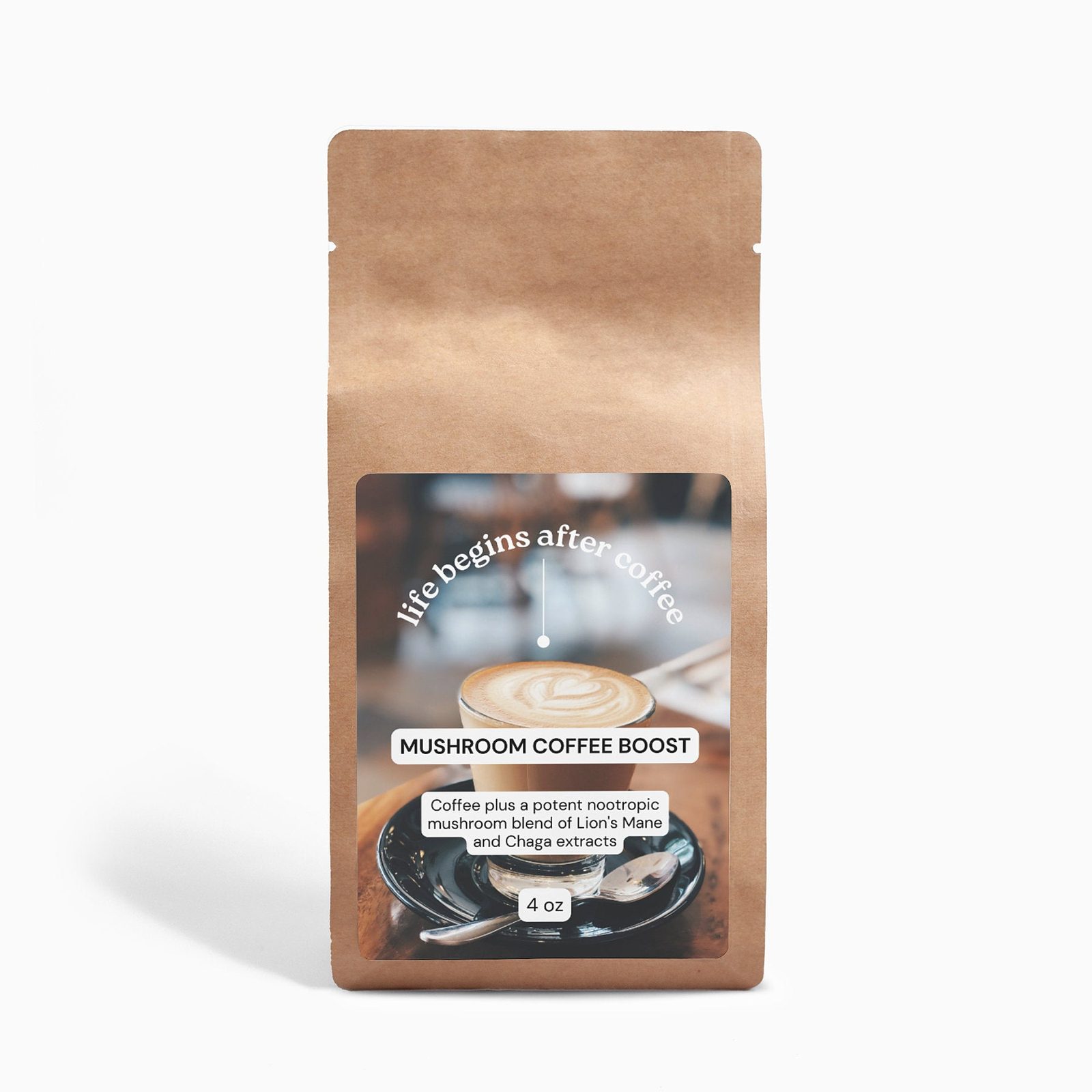
The Benefits of Pico X's Organic Lion's Mane and Chaga Mushroom Coffee
How sleep environment affects health: bedroom temperature should be 18-20°C for optimal sleep; keep humidity between 40-60%; use blackout curtains; eliminate electronic light sources; choose low-VOC bedding and mattress;
Read ↗
Health Benefits of Arabica and Robusta Honey Coffee
The science of sick building syndrome: SBS is characterised by occupants experiencing acute health and comfort effects linked to time spent in a building, without any specific illness identified. Causes include inadequat
Read ↗
The Power of Natural Skin Care
Building a health-first home: choices that matter from the start. Select low-VOC paints and finishes; choose solid wood or low-formaldehyde composite wood furniture; install mechanical ventilation; use non-toxic waterpro
Read ↗
The Power of Simplicity: How a Minimalist Lifestyle Can Improve Your Health
The relationship between humidity and health: too low (below 30%) causes dry skin, irritated airways, and static; too high (above 65%) promotes mould, dust mites, and bacteria. The optimal indoor humidity range is 40-60%
Read ↗
What Is Honey Process Coffee?
How occupant behaviour affects indoor air quality: cooking without ventilation is the single biggest source of indoor PM2.5; smoking indoors concentrates toxic compounds; burning candles and incense releases fine particl
Read ↗Questions
Simplicity health: common questions
What is indoor air quality and why does it matter for health?
Indoor air quality (IAQ) refers to the condition of air inside buildings and how it affects health and comfort. Poor office IAQ is linked to sick building syndrome, reduced productivity, and increased absenteeism.
How can I monitor indoor air quality at home?
Use a dedicated IAQ monitor to track PM2.5, CO2, VOCs, temperature, and humidity. Place sensors in bedrooms and living areas, and set alerts for when readings exceed safe thresholds.
What is the optimal indoor humidity range for health?
The optimal indoor humidity range is 40–60%. Humidity below 30% causes dry skin and irritated airways, while humidity above 65% promotes mould, dust mites, and bacteria.
What simple changes can help create a healthier home environment?
Improve ventilation by opening windows on opposite sides of the building and using mechanical exhaust fans in bathrooms and kitchens. Select low-VOC paints and finishes, and choose solid wood or low-formaldehyde composite wood furniture.