Learn
Antimicrobial science
Research-backed guides for healthier living spaces in Singapore, written by the Pico X Health team.
All antimicrobial science guides
10 areas that antimicrobial coating could help to save cost in building or facility management
Antimicrobial coatings can save resources in building maintenance across 10 key areas: Walls and ceilings — Prevents mold and fungi growth that can damage materials and pose health risks. Floors — Keeps floors clean and
Read ↗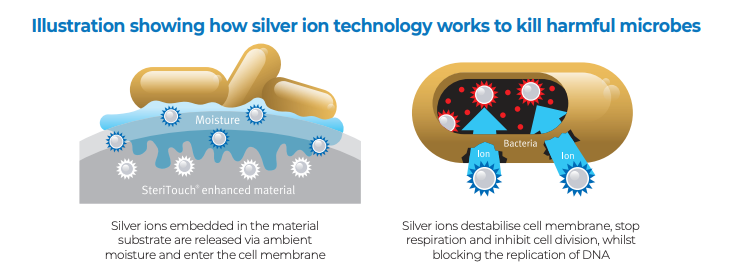
10 benefits of using silver ions as active agent in antimicrobial coating
Antimicrobial coatings that use silver ions as the active agent offer numerous benefits. Silver ions have a long history of use as a natural antimicrobial agent and are highly effective at killing a wide range of microor
Read ↗
10 things the hospitality industry would gain from using antimicrobial coating for their regular maintenance and cleaning regime
Reduction in the spread of infections: Antimicrobial coatings help reduce cross-contamination by inhibiting the growth of harmful microbes on surfaces, resulting in fewer sick days and a healthier workforce. Enhanced cle
Read ↗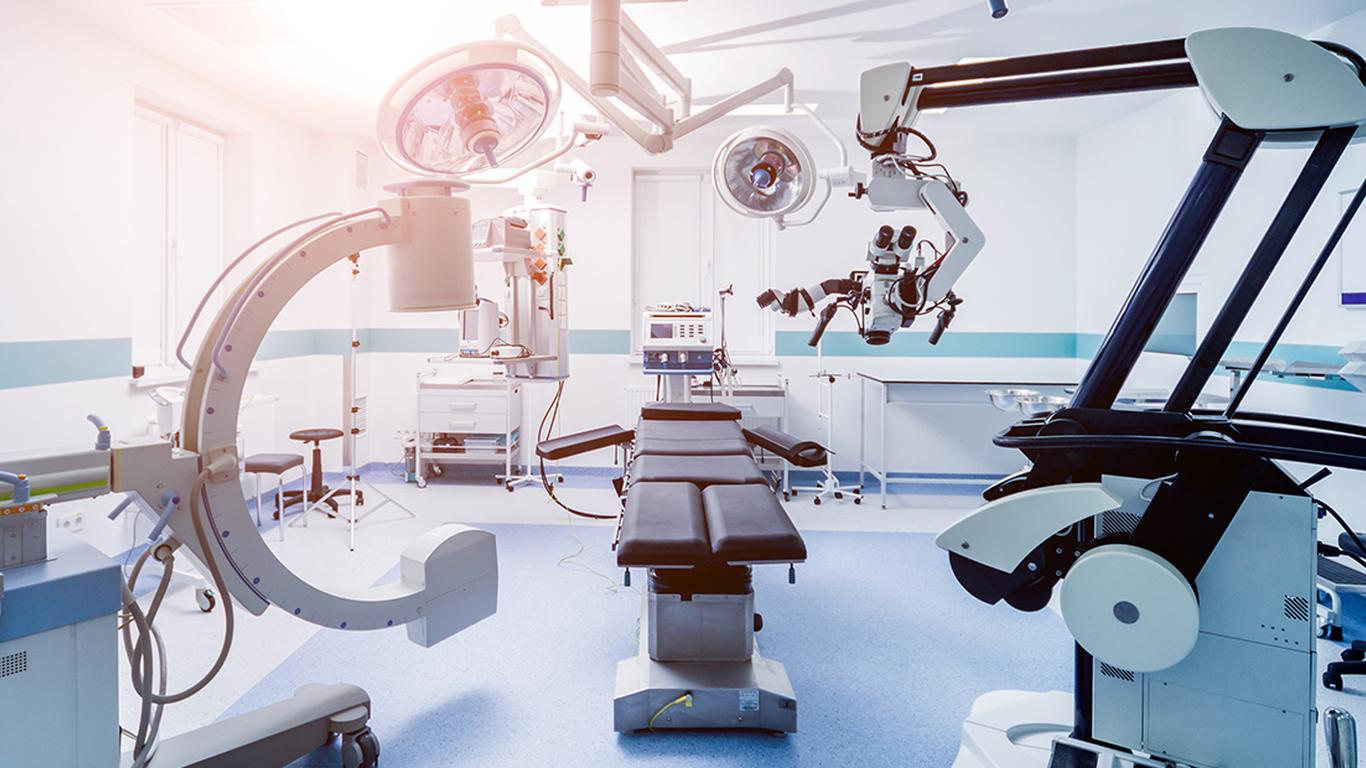
10 things the medical facility will gain by using antimicrobial coating as part of their maintenance and cleaning regime
Reduction in spread of infections: Reduces cross-contamination risk, resulting in fewer healthcare-associated infections. Enhanced cleanliness and hygiene: Prevents buildup of harmful microbes, creating a safer environme
Read ↗
20 benefits that you will enjoy if you use antimicrobial coating at home
Antimicrobial coatings are special coatings applied to surfaces to inhibit the growth and spread of microorganisms such as bacteria, fungi, and viruses. Benefits for home use include: preventing mold and mildew growth, e
Read ↗
A safe way to improving indoor air quality and prevent mould at home.
Enhancing Indoor Air Quality for Families in Singapore: The Benefits of Pico X Health Ceiling In the bustling urban landscape of Singapore, where apartment living is the norm, maintaining a healthy indoor environment is
Read ↗
Adoption of Antimicrobial Coating In The Hospitality Industry
The Adoption of Antimicrobial-Coated Mattresses in Hotels: A Research Perspective The hospitality industry continually seeks innovative solutions to enhance guest satisfaction and ensure health and safety. Antimicrobial-
Read ↗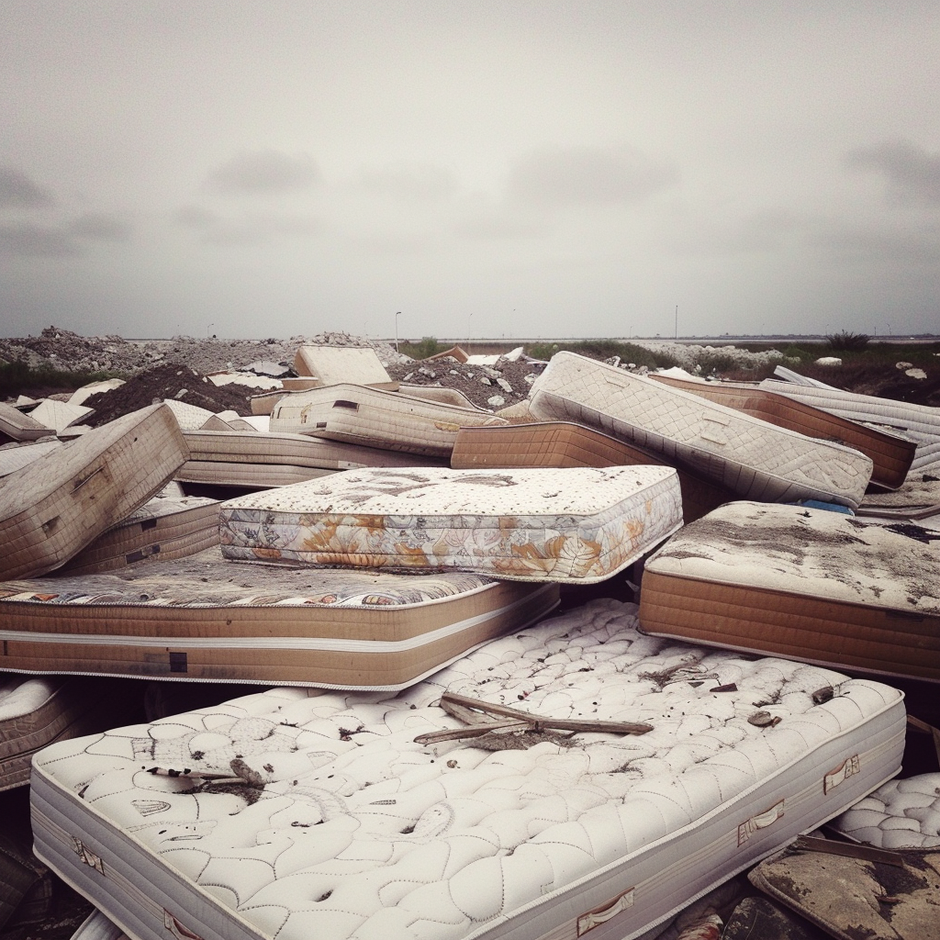
Antimicrobial Coated Mattress For A Safe Night's Sleep
The Benefits of Staying in a Hotel with Antimicrobial Coated Mattresses: A Guest Perspective In recent years, hotels have started investing in antimicrobial coated mattresses, offering guests numerous benefits that eleva
Read ↗
Antimicrobial Coatings: A Revolution in Home and Commercial Space Hygiene
Maintaining a clean and hygienic environment is more important than ever. Antimicrobial coatings are a revolutionary technology transforming the way we approach cleanliness and hygiene in both residential and commercial
Read ↗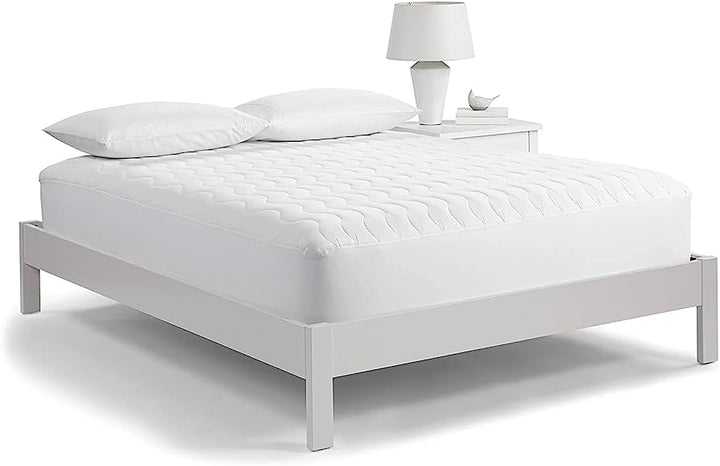
Antimicrobial Coatings on Mattresses
Antimicrobial Coatings on Mattresses: Reducing Costs and Increasing Lifespan in Hospitality Antimicrobial coatings contain agents that control the growth of unwanted bacteria and fungi, providing surface protection, mini
Read ↗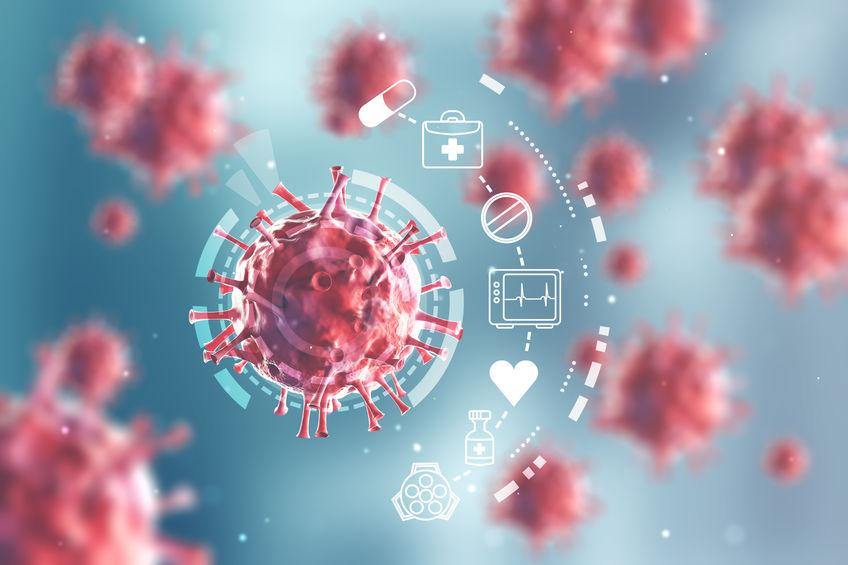
Antimicrobial materials
By Veronica Givone | Managing Director, Hospitality The use of antimicrobial materials in public venues is attracting increased interest as the management of infectious diseases remains top of mind. An impressive array o
Read ↗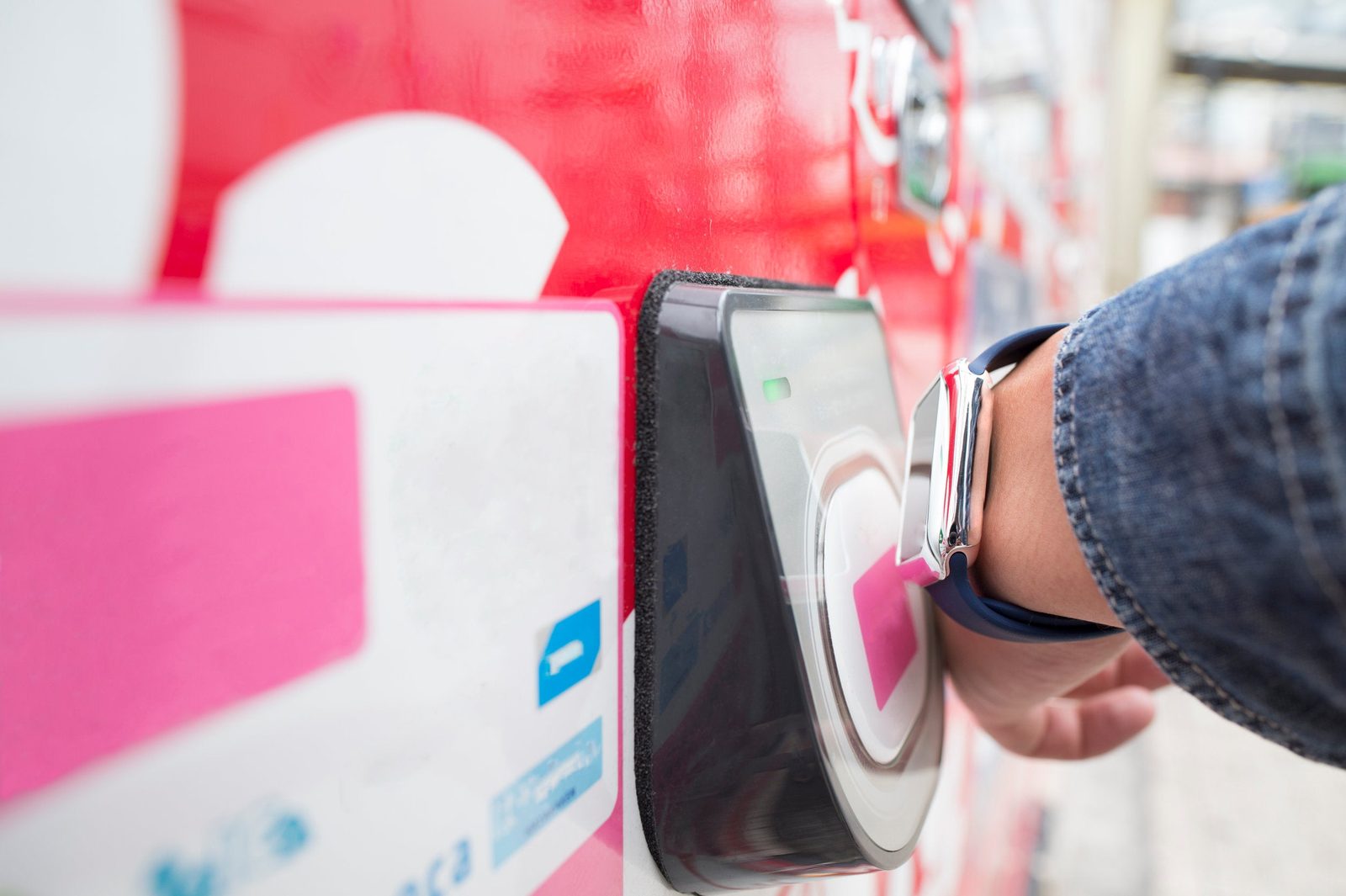
Brands that has been using silver ion antimicrobial on their consumer products.
Many brands have incorporated antimicrobial coatings into their consumer products, including Apple (AirPods), Samsung (smartphones and tablets), LG (televisions), Lenovo (laptops and desktop computers), Dell (laptops and
Read ↗
Comparing between silver ion and cicada antimicrobial coating
Silver ions and cicada antimicrobial coatings are two different types of antimicrobial coatings compared below across three dimensions: Efficacy: Both are effective against a wide range of microorganisms including bacter
Read ↗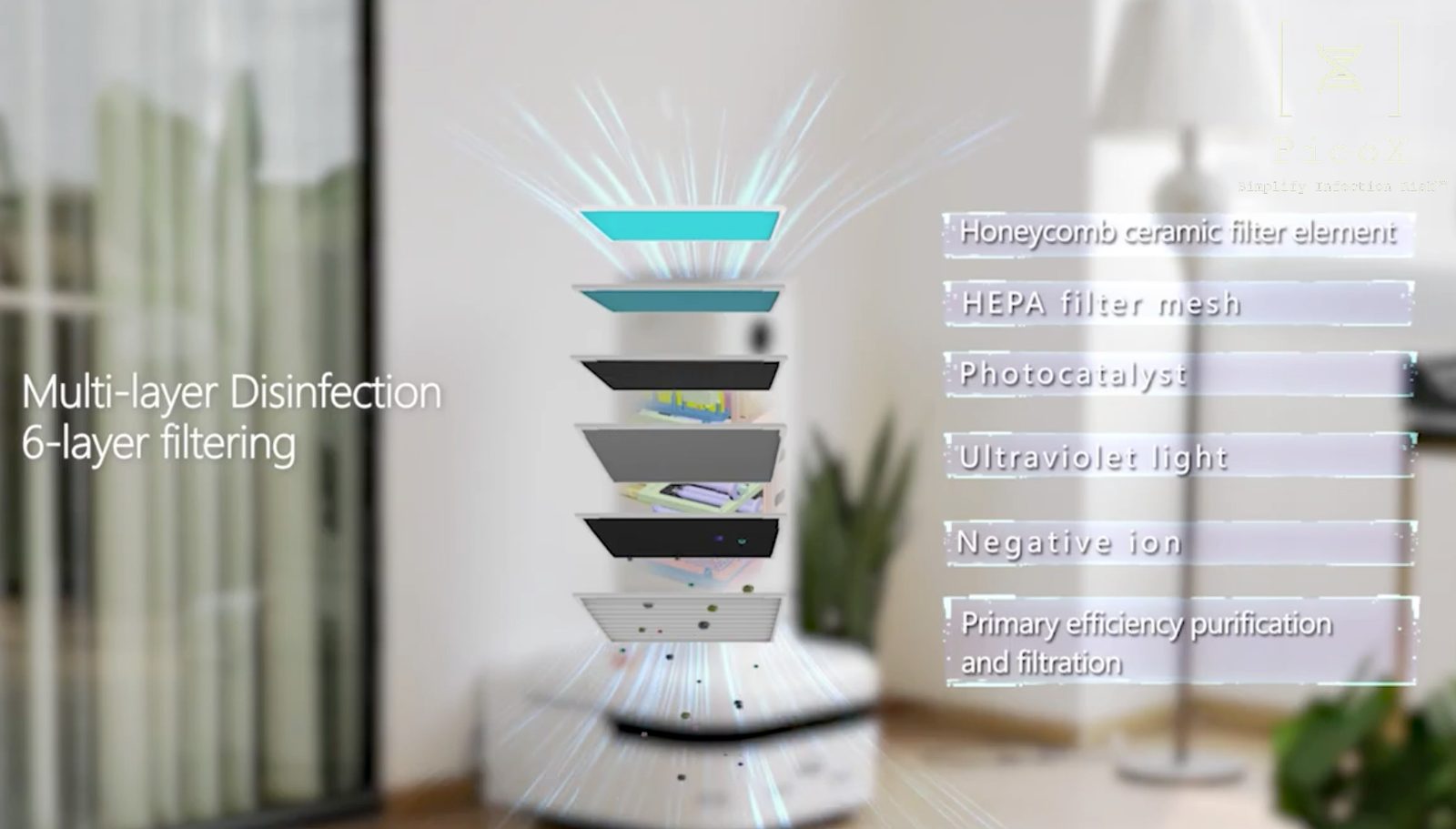
Comparing differences between silver ions HEPA filter and normal HEPA filter
HEPA (High Efficiency Particulate Air) filters are widely used in air purification systems to remove a variety of contaminants, capturing at least 99.97% of particles 0.3 microns or larger, including allergens, dust, pol
Read ↗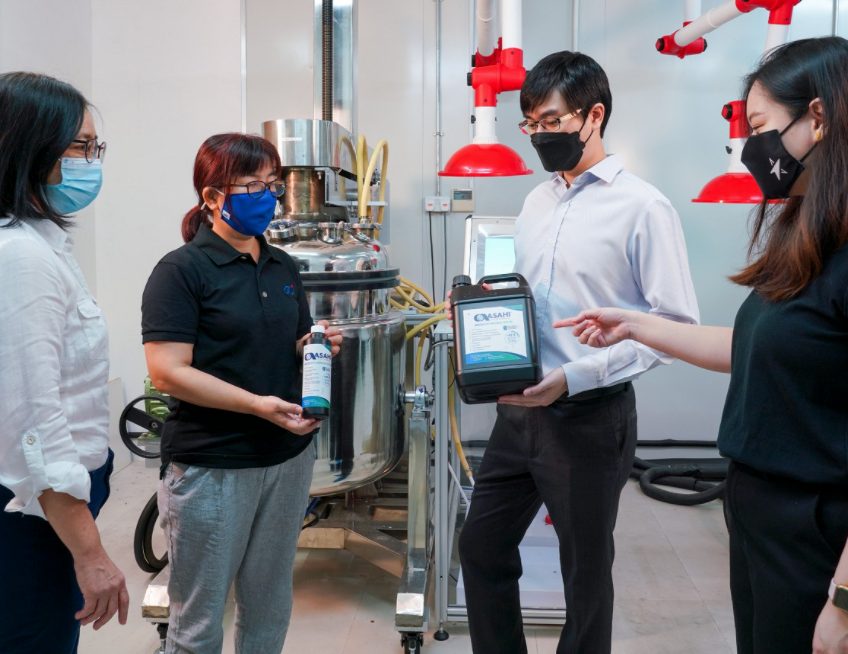
Durable antimicrobial coating for self disinfecting surfaces
Safeguarding Society Through Antimicrobial Coating Technology Source: Manufacturing Matters 2022 — Read original publication A common mode of infectious disease transmission is through contact with contaminated surfaces.
Read ↗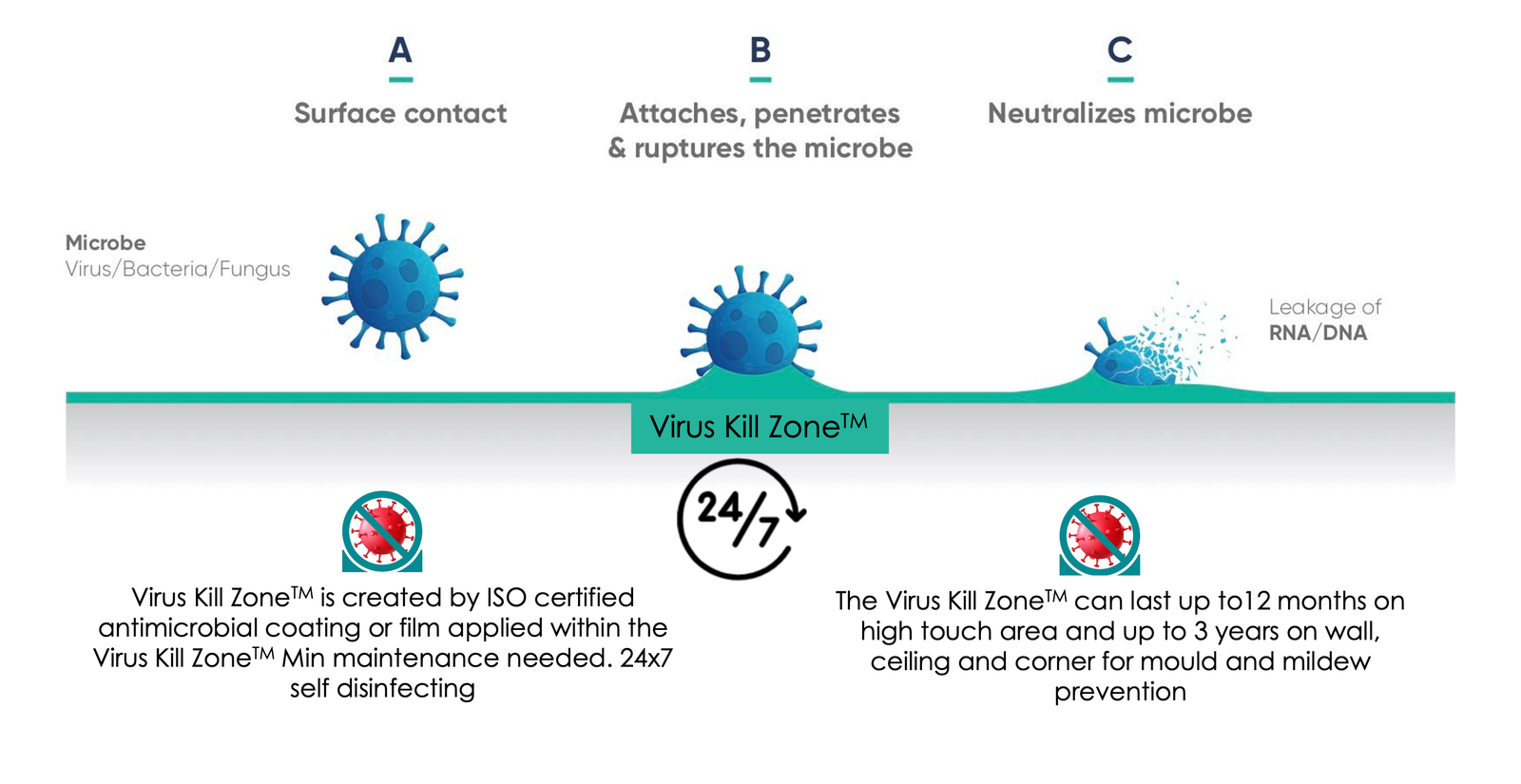
How could antimicrobial coating help to reduce HAI?
Antimicrobial coatings are surfaces that have been treated with an antimicrobial agent that can kill or inhibit the growth of microorganisms such as bacteria and fungi. In the healthcare setting, antimicrobial coatings h
Read ↗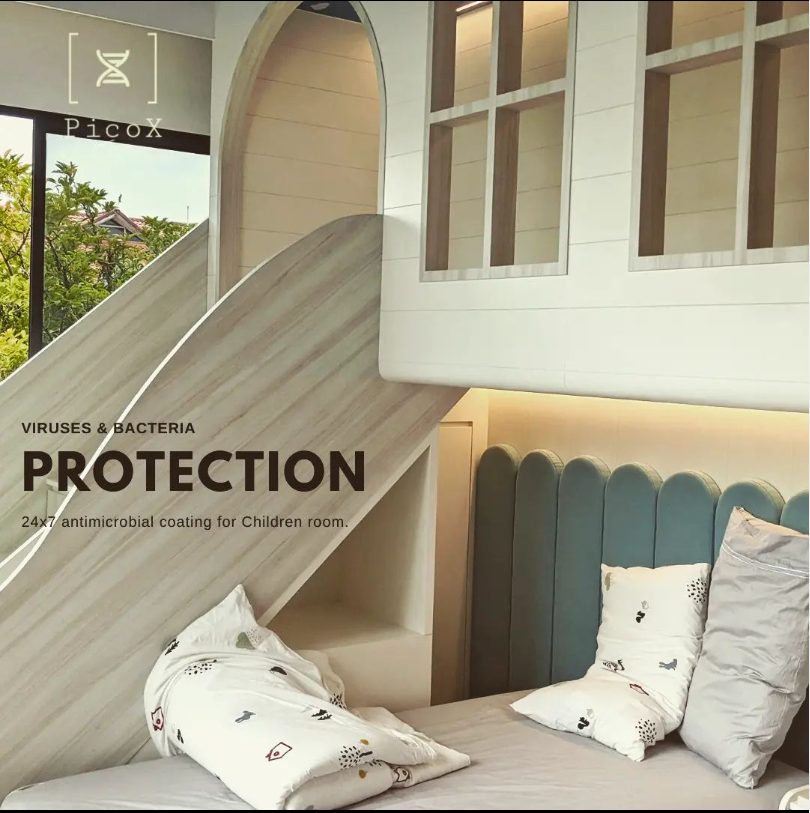
How do we prevent the spread of disease by using antimicrobial coating?
Antimicrobial coatings help prevent the spread of disease by inhibiting the growth of microorganisms on surfaces. They can be used in multiple ways: Coating surfaces in public places: Applied to door handles, handrails,
Read ↗
How much more effective if we use antimicrobial coating on surfaces to disinfect compare to normal disinfectant?
Antimicrobial coatings can be an effective tool in helping to prevent the spread of disease, but it is important to note they are not a replacement for proper cleaning and disinfection practices. Disinfectants are typica
Read ↗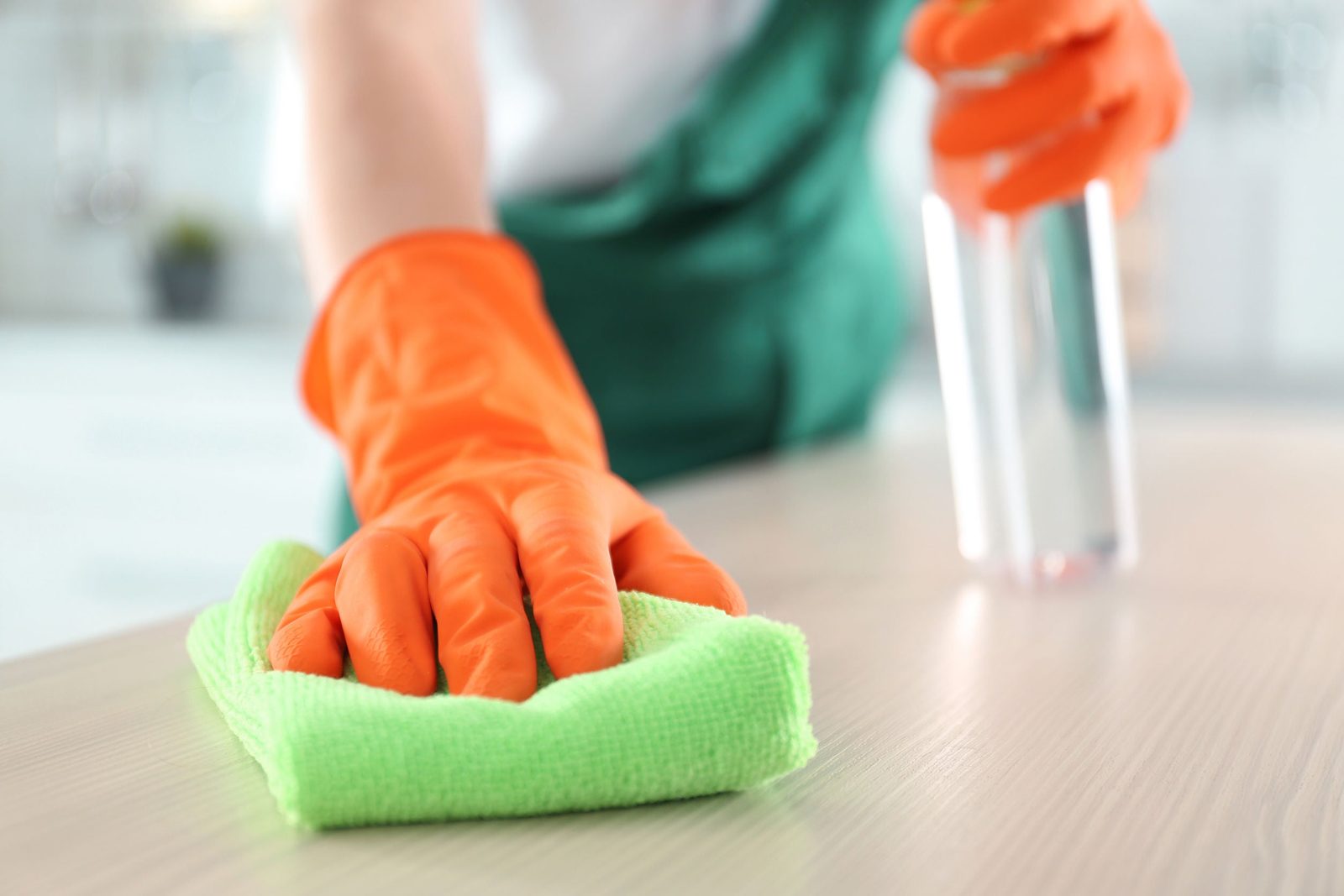
How to identify an efficient antimicrobial coating
Identifying an efficient antimicrobial coating requires evaluating several key factors: Spectrum of activity: Look for a coating effective against a wide range of microorganisms, including bacteria, fungi, and viruses, t
Read ↗
Huge cost saving for organisations using antimicrobial coating as part of their cleaning and hygiene regime
Antimicrobial coatings are a cost-effective solution for reducing the spread of infections and illnesses in various settings. These coatings work by inhibiting the growth of microbes on surfaces, reducing the need for fr
Read ↗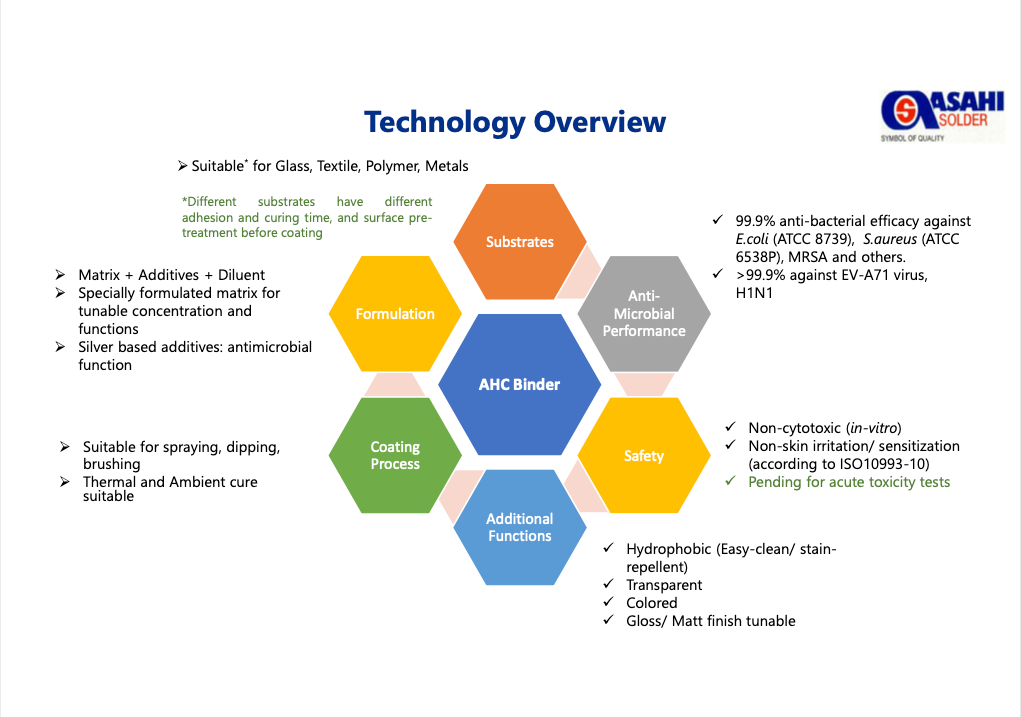
Silver Ions vs Silver vs Nano Silver: Key Differences
Silver, nano silver, and silver ions are all related to the element silver but refer to different forms with different properties. Silver is a chemical element (Ag, atomic number 47) — a soft, white, lustrous metal that
Read ↗
Living with COVID-19: Mitigating Risk of Infection and Pursuing Normalcy
Most countries around the world swiftly imposed lockdowns as a last resort to mitigate the exponentially increasing rates of coronavirus infections. COVID-19 is transmitted through fomites and aerosol particles, increasi
Read ↗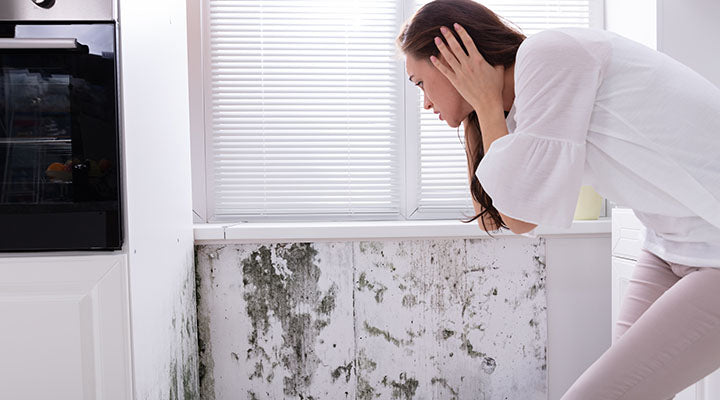
Mold and fungi prevention using antimicrobial coating
Antimicrobial coatings contain agents that kill or inhibit microorganisms such as bacteria, fungi, and mold. Used across many industries, they prevent the spread of infections, reduce odors, and protect surfaces from mic
Read ↗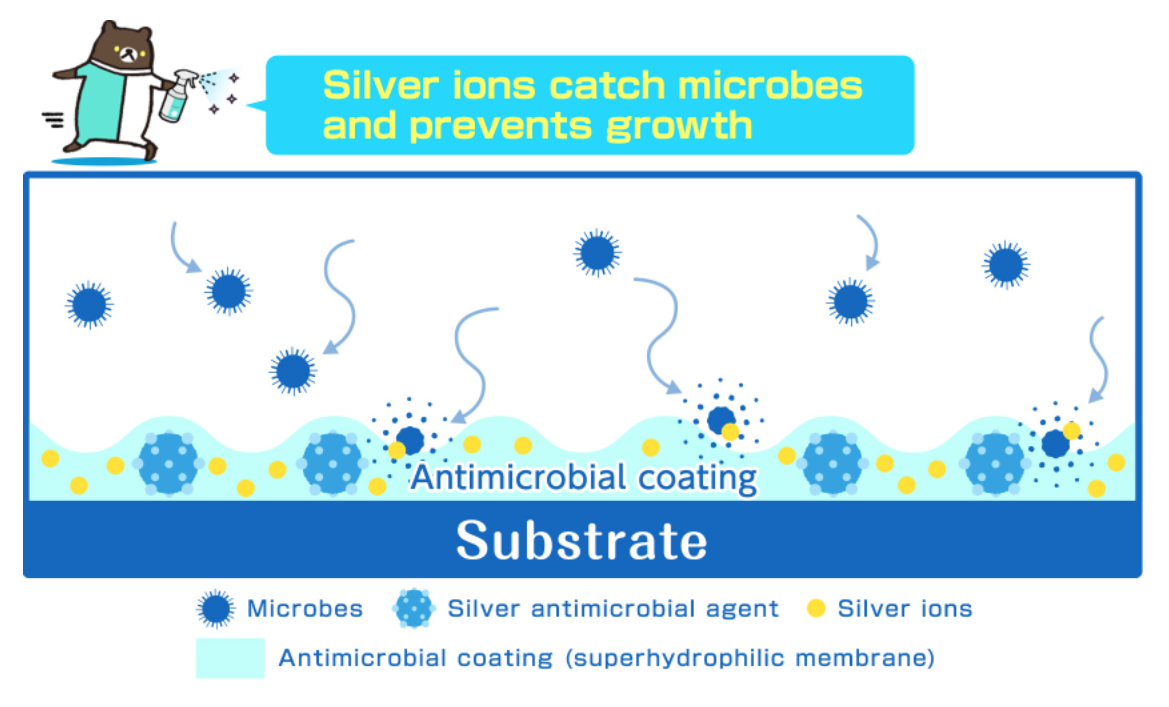
Silver Ions as Antimicrobial Agent: How They Work and Why They Last
Silver ions (Ag+) have been used as antimicrobial agents for thousands of years — from ancient civilisations storing water in silver vessels to modern hospitals applying silver ion coatings to surfaces that conventional
Read ↗
Silver Nanoparticle Inhibition of Monkeypox Virus
The use of nanotechnology and nanomaterials in medical research is growing. Silver-containing nanoparticles have previously demonstrated antimicrobial efficacy against bacteria and viral particles. This preliminary study
Read ↗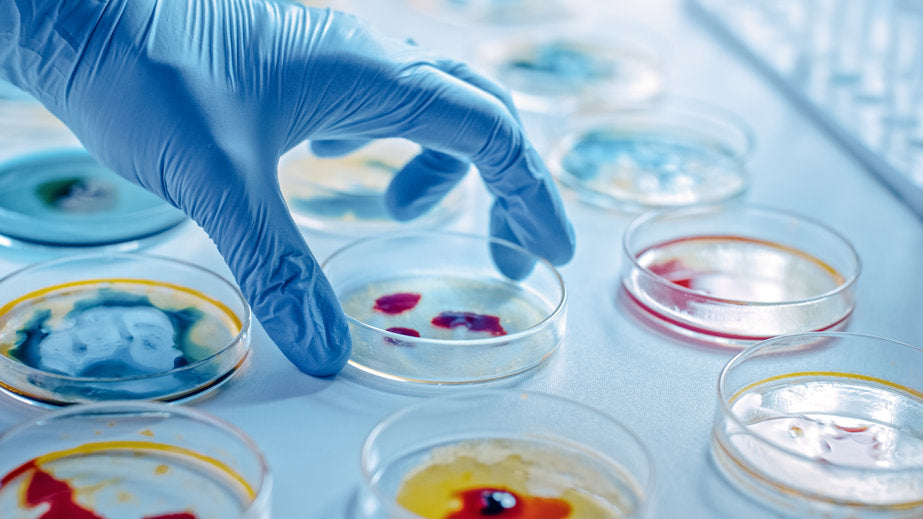
Studies that show that antimicrobial coating is effective in preventing disease spreading
Numerous studies have examined the effectiveness of antimicrobial coatings in reducing microorganism growth on surfaces. Key findings include: coatings applied to high-touch surfaces in hospitals significantly reduced ba
Read ↗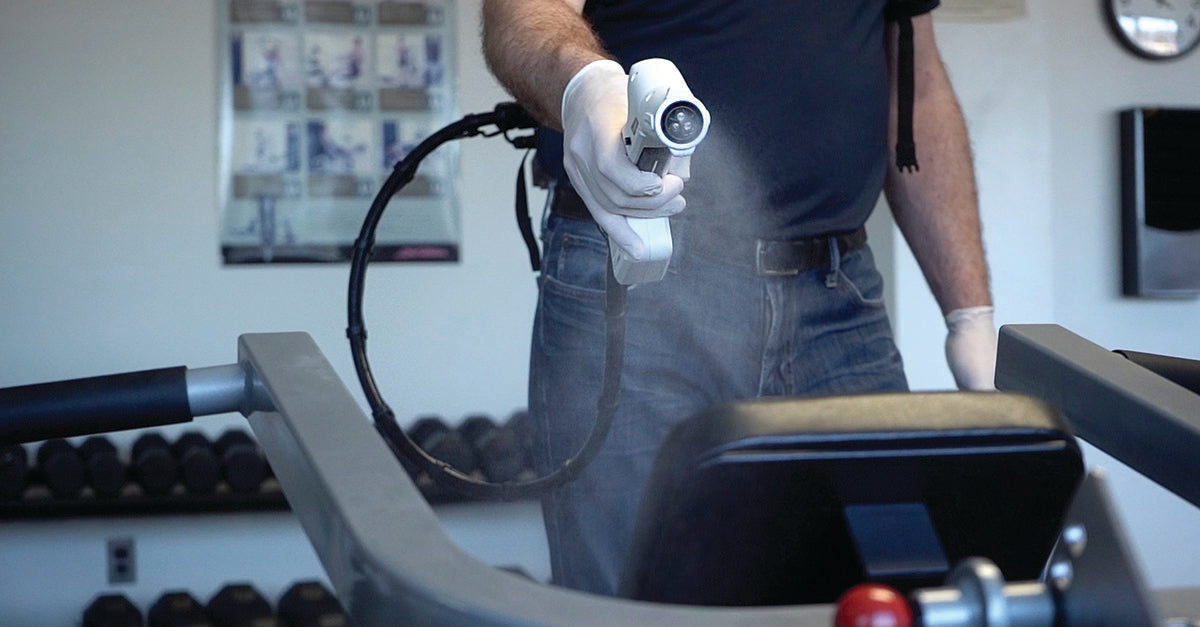
The Benefits of Antimicrobial Coatings for Facility Managers: A Comprehensive Guide
As a facility manager, antimicrobial coatings offer multiple benefits for keeping your building safe and healthy: Reduced illness risk — Prevents germ growth, reducing infections especially in close-proximity environment
Read ↗
The Science of Silver Ion Antimicrobial Coating Explained
Silver ion has been known for its antimicrobial properties for centuries. When silver contacts an aqueous environment, it releases silver ions that disrupt the metabolism of microorganisms — including bacteria, fungi, an
Read ↗
Top 10 reasons why hospitality industry is using antimicrobial coating
Top 10 benefits of using antimicrobial coatings in hotels: Improved indoor air quality — Prevents bacteria and microorganism growth in the air, reducing respiratory risks. Enhanced hygiene — Prevents spread of infections
Read ↗
Top 10 studies on the effectiveness of silver ion on bacteria, viruses and fungi
Top 10 studies on the effectiveness of silver ions on bacteria: Gray & Dancer (2005) — Silver ion-impregnated bed linens effectively reduced bacterial colonization and hospital-acquired infections. Römling & Bals
Read ↗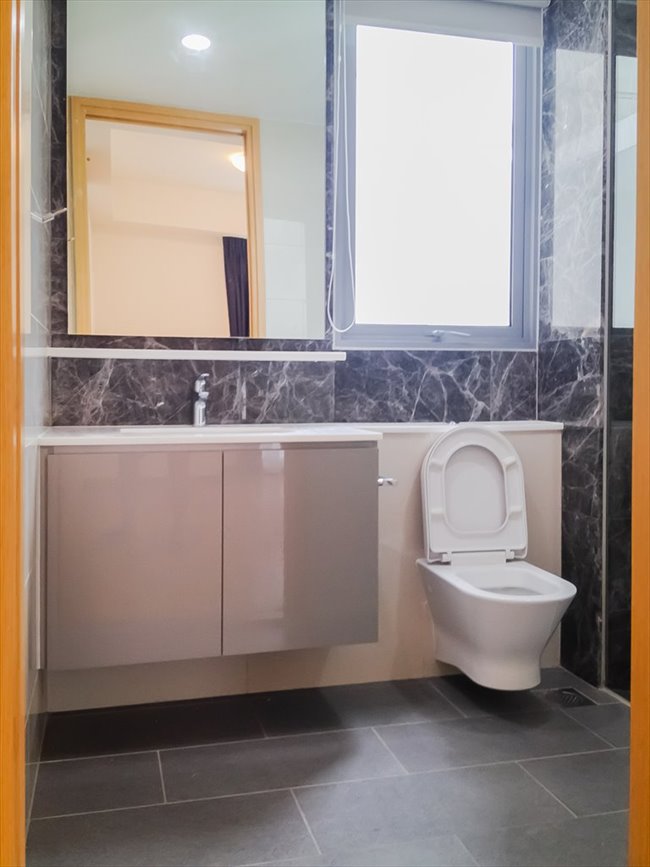
How Silver Ion Technology Eliminates Toilet Mould and Odour
Bathrooms can often become a breeding ground for mould and a source of unpleasant odours. Shield23 Pro is a novel solution that addresses these concerns effectively using silver ion technology. Silver ions (Ag+) have lon
Read ↗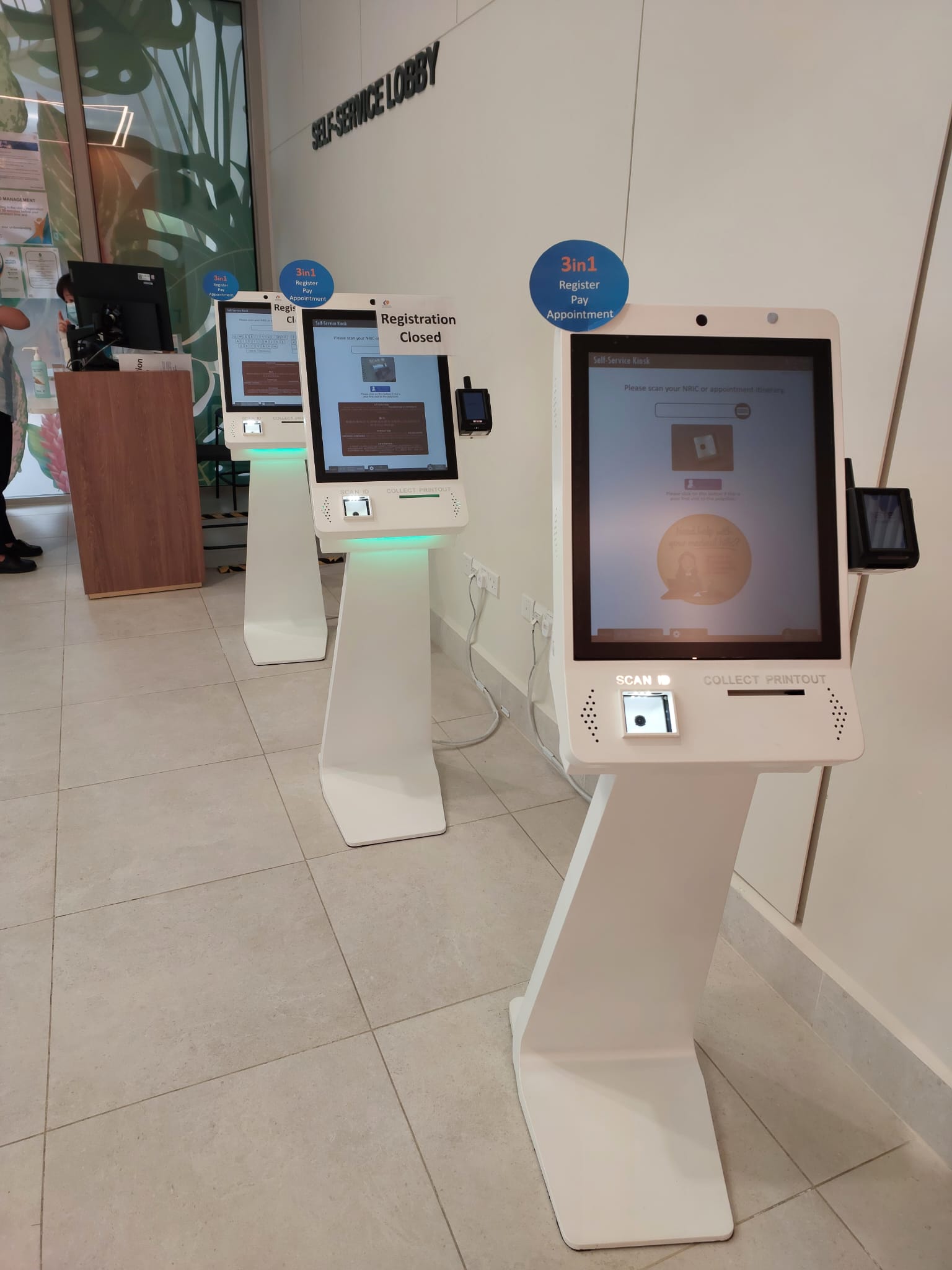
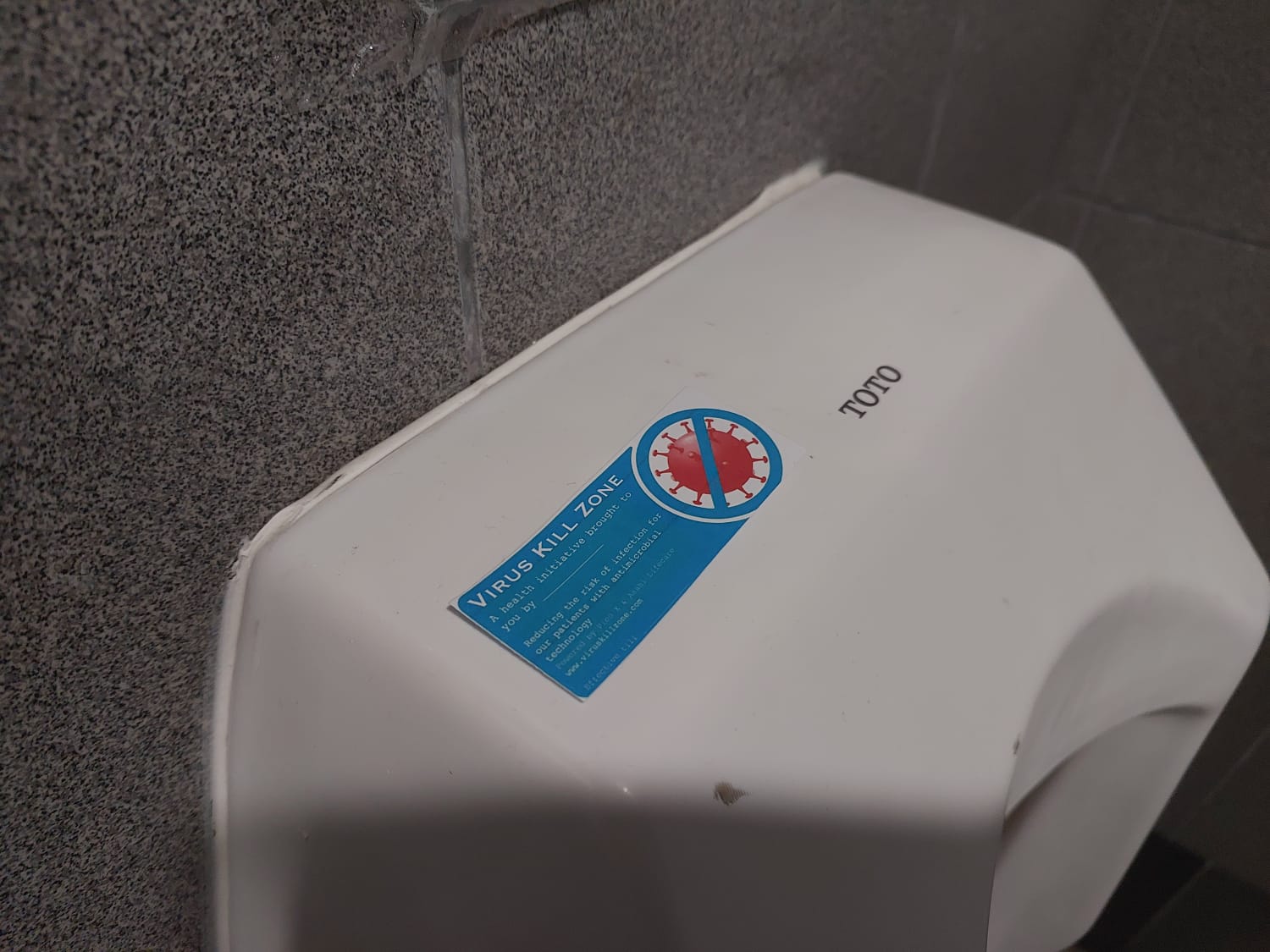
Virus Kill Zone™ powered by Asahi AHC23 in all National Healthcare Group Polyclinics
The Singapore National Healthcare Group Polyclinics has selected Asahi Lifecare AHC23 antimicrobial coating to protect its high touch surfaces from virus and bacteria contamination across all its Polyclinics, starting wi
Read ↗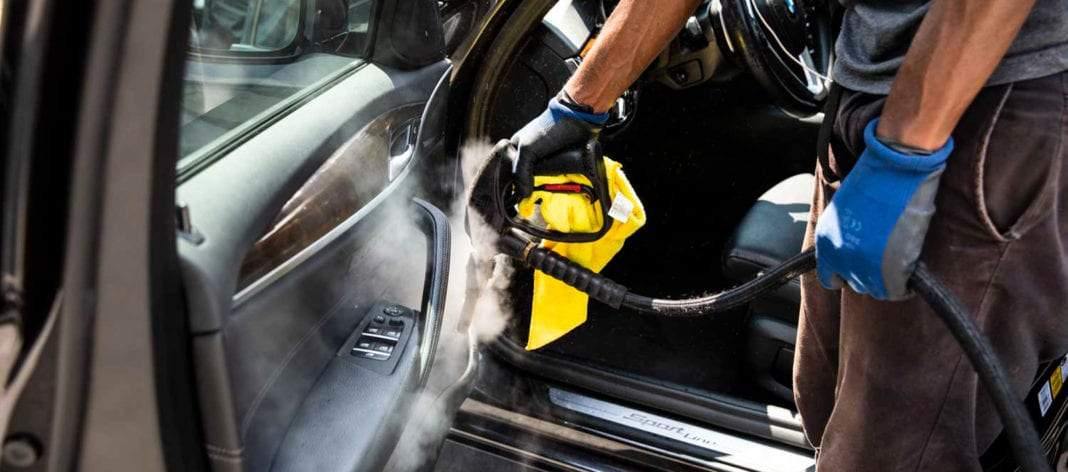
What are the benefits of antimicrobial treatment In a car?
What are the benefits of antimicrobial treatment in a car? An antimicrobial treatment is a form of surface protection applied to a car's interior to inhibit the growth of bacteria, viruses, fungi and other microbes. In p
Read ↗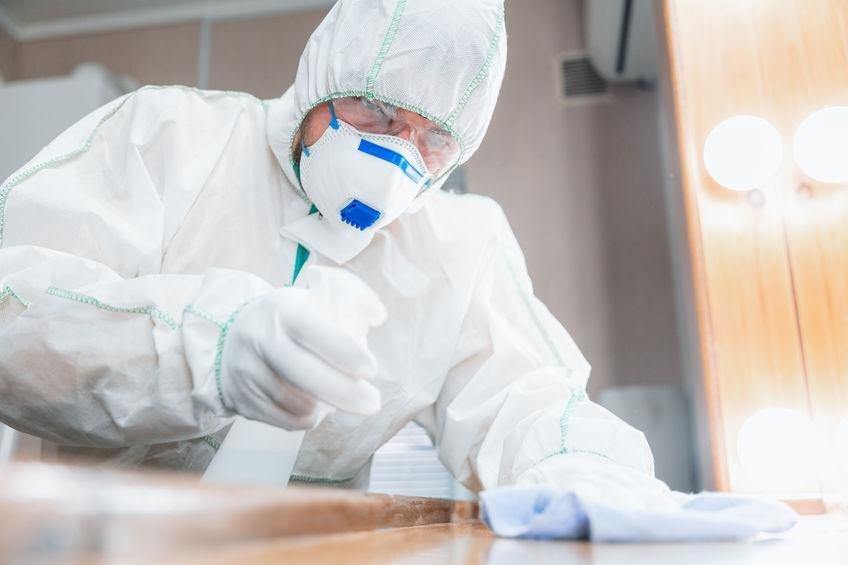
What Is Antimicrobial Coating? How It Works, Benefits and Singapore Applications
How antimicrobial coatings work, what they protect against, and where they're used in Singapore homes, clinics and offices. NEA-listed Shield23 Pro coating.
Read ↗
Why Hospitals Use Antimicrobial Coating to Prevent HAIs
Antimicrobial coatings are increasingly being adopted by hospitals and medical facilities worldwide to prevent healthcare-associated infections (HAIs). These coatings kill or inhibit the growth of bacteria, viruses, and
Read ↗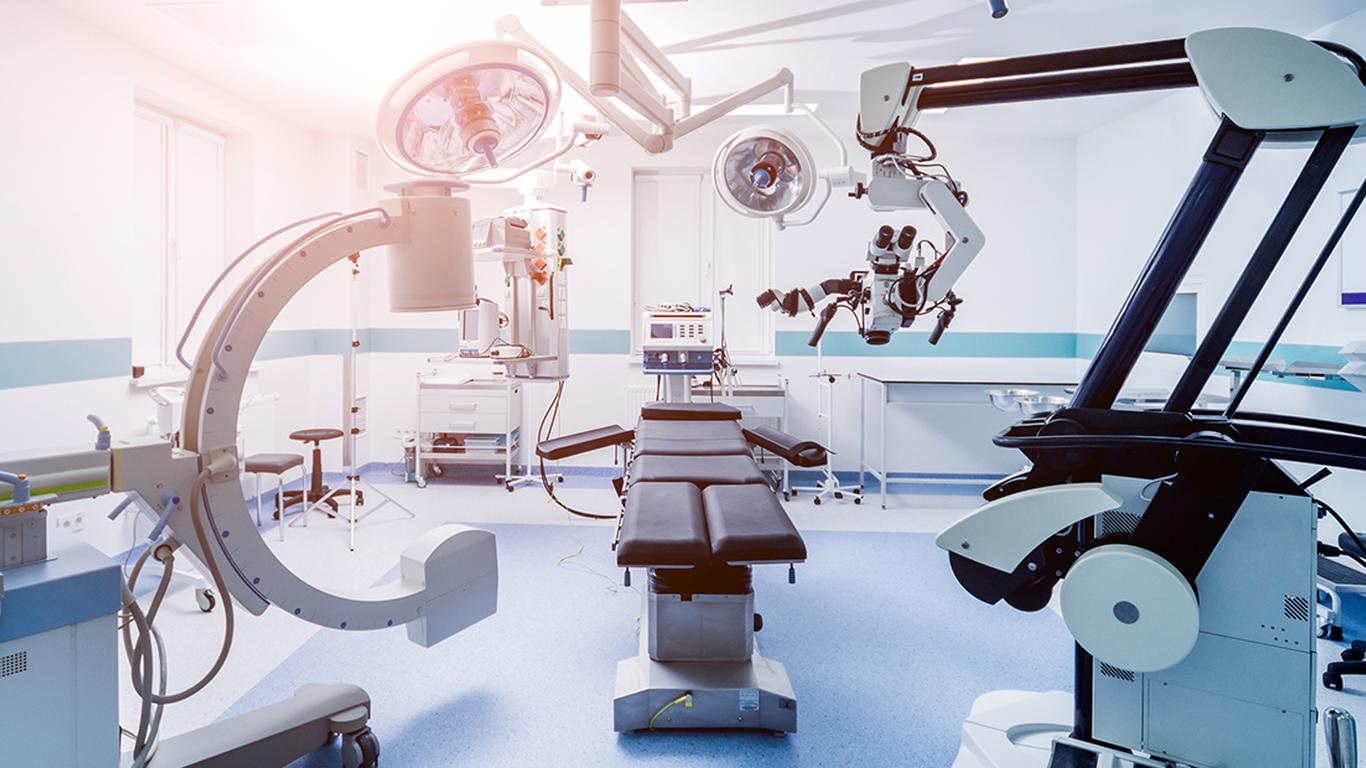
Would medical facilities benefit from antimicrobial coating?
Antimicrobial coatings are a type of surface treatment that is designed to kill or prevent the growth of microorganisms, such as bacteria and fungi, on the surface where the coating is applied. These coatings can be appl
Read ↗Questions
Antimicrobial science: common questions
What is antimicrobial coating and where is it used in Singapore?
Antimicrobial coatings are surface treatments that kill or inhibit the growth of microorganisms such as bacteria and fungi. Applications include Singapore homes, clinics and offices.
Can antimicrobial coatings help prevent mould at home?
Antimicrobial coatings can help prevent mould and mildew growth on surfaces at home. On walls and ceilings, they inhibit mould and fungi that can damage materials and pose health risks.
How do silver ion antimicrobial coatings work?
When silver contacts an aqueous environment, it releases silver ions that disrupt the metabolism of microorganisms. Silver ions are used as the active agent in antimicrobial coatings to control microbial growth.
Do antimicrobial coatings replace normal cleaning and disinfection?
Antimicrobial coatings are not a replacement for proper cleaning and disinfection practices. They can complement maintenance and cleaning regimes by inhibiting microbial growth on surfaces and helping reduce cross-contamination.