
-

Adoption of Antimicrobial Coating In The Hospitality Industry
-
Antimicrobial Coated Mattress For A Safe Night's Sleep
-
A safe way to improving indoor air quality and prevent mould at home.
-
Antimicrobial Coatings on Mattresses
-
Antimicrobial Coatings: A Revolution in Home and Commercial Space Hygiene
Silver Ions as Antimicrobial Agent: How They Work and Why They Last
- 4 min reading time
Silver ions (Ag+) have been used as antimicrobial agents for thousands of years — from ancient civilisations storing water in silver vessels to modern hospitals applying silver ion coatings to surfaces that conventional disinfectants cannot protect continuously. Today, silver ions are the active agent in some of the most durable antimicrobial coatings available in Singapore, including the Asahi AHC23 formula used in Shield23 Pro.
How Silver Ions Kill Bacteria and Viruses
Silver ions work through multiple simultaneous mechanisms, which is why microorganisms find it difficult to develop resistance — unlike with antibiotics, where a single resistance mutation can render a drug ineffective:
- Cell membrane disruption: Ag+ ions bind to proteins in the bacterial cell membrane, causing structural damage and loss of integrity. The cell leaks its contents and dies.
- DNA interference: Silver ions penetrate the cell and bind to DNA strands, blocking replication. A bacterium that cannot replicate cannot establish an infection.
- Enzyme inhibition: Silver ions deactivate key metabolic enzymes — particularly those involved in energy production (cytochrome oxidase) — shutting down cellular respiration.
- Reactive oxygen species (ROS) generation: Silver ions catalyse the production of ROS inside cells, causing oxidative damage to cell components including membranes, proteins, and DNA simultaneously.
For viruses, the mechanism differs slightly — silver ions disrupt the protein coat (capsid) of the virus, preventing it from binding to host cells and replicating. Studies have demonstrated effectiveness against influenza, coronaviruses, norovirus, and adenovirus.
Why Silver Ions Are Ideal for Antimicrobial Coatings
Unlike conventional disinfectants that evaporate within minutes, silver ions can be embedded into a coating matrix and released continuously at low concentrations over months or years. This controlled-release mechanism is what makes silver ion-based coatings fundamentally different from spray disinfectants:
- Effective at very low concentrations — measured in parts per billion (ppb)
- Broad-spectrum — active against bacteria, fungi, viruses, and mould spores
- Long-lasting — the Asahi AHC23 formula has been independently tested for up to 3 years of effectiveness on hard surfaces
- Safe for humans — silver ions at antimicrobial concentrations are below toxicity thresholds and have been approved for use in food contact surfaces and medical devices
- Low resistance risk — multi-mechanism action makes it extremely difficult for microorganisms to develop resistance
Silver Ions vs Other Antimicrobial Agents
Silver ions are frequently compared to other common antimicrobial agents used in coatings and disinfectants:
- vs Quaternary ammonium (QUAT): QUATs work primarily by membrane disruption and are effective but shorter-lasting (3–12 months vs 1–3 years for silver ion). Some bacteria have developed QUAT resistance. Silver ions have no known resistance mechanism.
- vs Copper ions: Copper is also effective but more reactive — it can cause surface discolouration and is less suitable for light-coloured surfaces. Silver ions are colourless and invisible once applied.
- vs Zinc: Zinc has weaker broad-spectrum activity and is typically fungistatic (inhibits growth) rather than fungicidal (kills). Silver ions are fungicidal at antimicrobial coating concentrations.
- vs Nano silver: Nano silver particles are different from ionic silver. Nanoparticles act as a reservoir that releases silver ions — effectiveness depends on particle size and surface area. Ionic silver is the active species in both cases.
Where Silver Ion Antimicrobial Technology Is Used in Singapore
Silver ion-based antimicrobial technology is deployed across a range of applications in Singapore:
- Surface coatings: Applied to walls, floors, furniture, and high-touch surfaces in hospitals, childcare centres, offices, and HDB homes via products like Shield23 Pro
- Air purifier filters: Silver ion HEPA filters capture and kill bacteria and viruses on the filter medium itself — preventing secondary release of killed organisms back into the air
- Textiles: Sportswear, hospital uniforms, and mattress covers treated with silver ion technology to prevent odour and microbial growth
- Water treatment: Silver ion water filters used in drinking water purification systems
- Medical devices: Catheters, wound dressings, and implant coatings where infection prevention is critical
Is Silver Ion Technology Safe?
Yes — at the concentrations used in antimicrobial coatings and consumer products, silver ions are safe for humans, pets, and the environment. The WHO and US EPA have established safe exposure guidelines for silver. NEA-accredited laboratory testing of the Shield23 Pro formula confirms safety for use in food preparation areas, children's rooms, and medical facilities.
Argyria — the bluish skin discolouration sometimes associated with excessive silver consumption — requires ingestion of very large quantities of colloidal silver over extended periods. It is not a risk from surface-applied antimicrobial coatings used at standard concentrations.
Shield23 Pro — Silver Ion Antimicrobial Coating for Singapore Homes and Businesses
Visit shield23pro.com for professional silver ion antimicrobial coating. NEA-listed, Asahi AHC23 formula, up to 3 years protection for homes, offices, childcare centres, and commercial facilities.

-
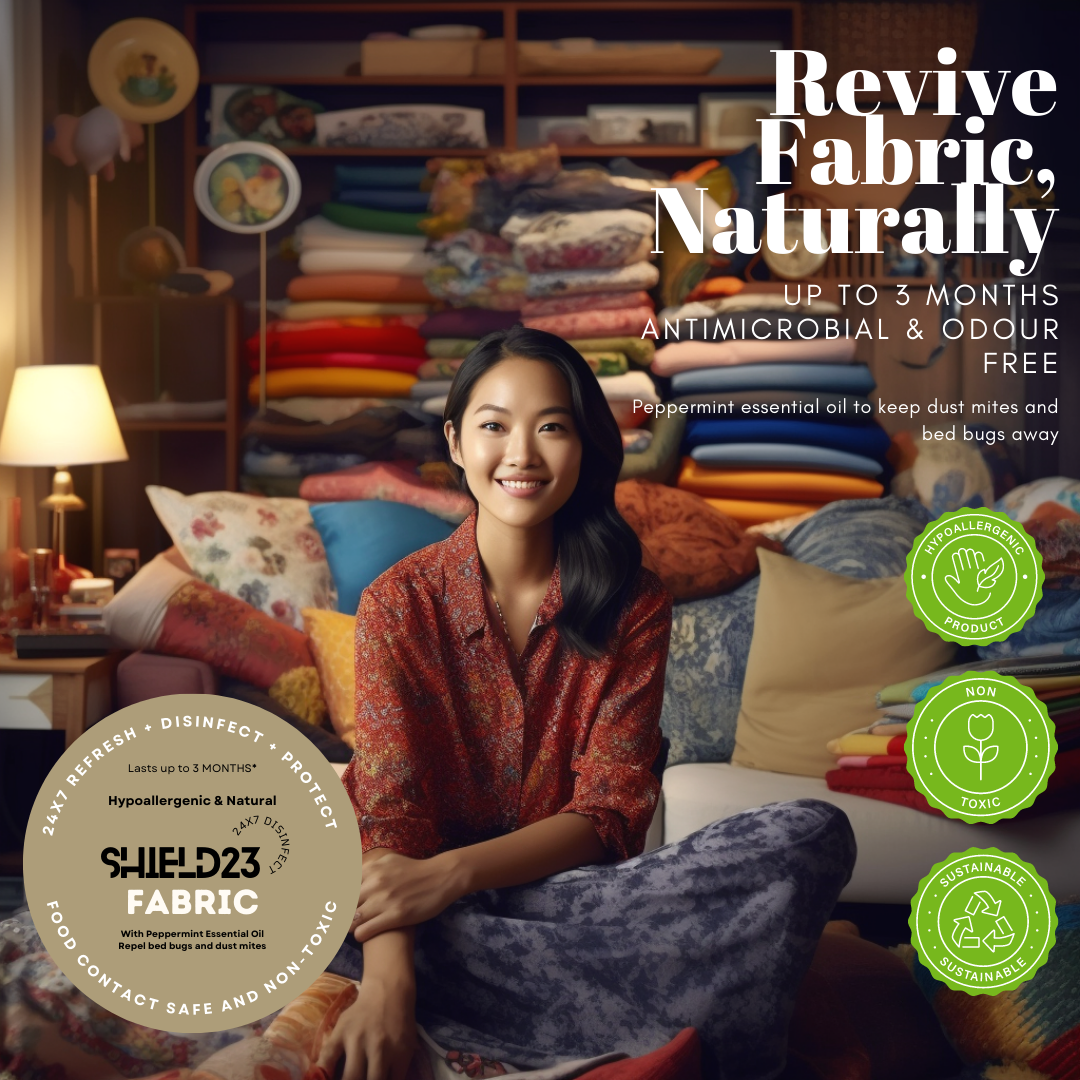
Best Fabric Refresher 2023
-
Looking for the Best Cleaning Services in Singapore?
-
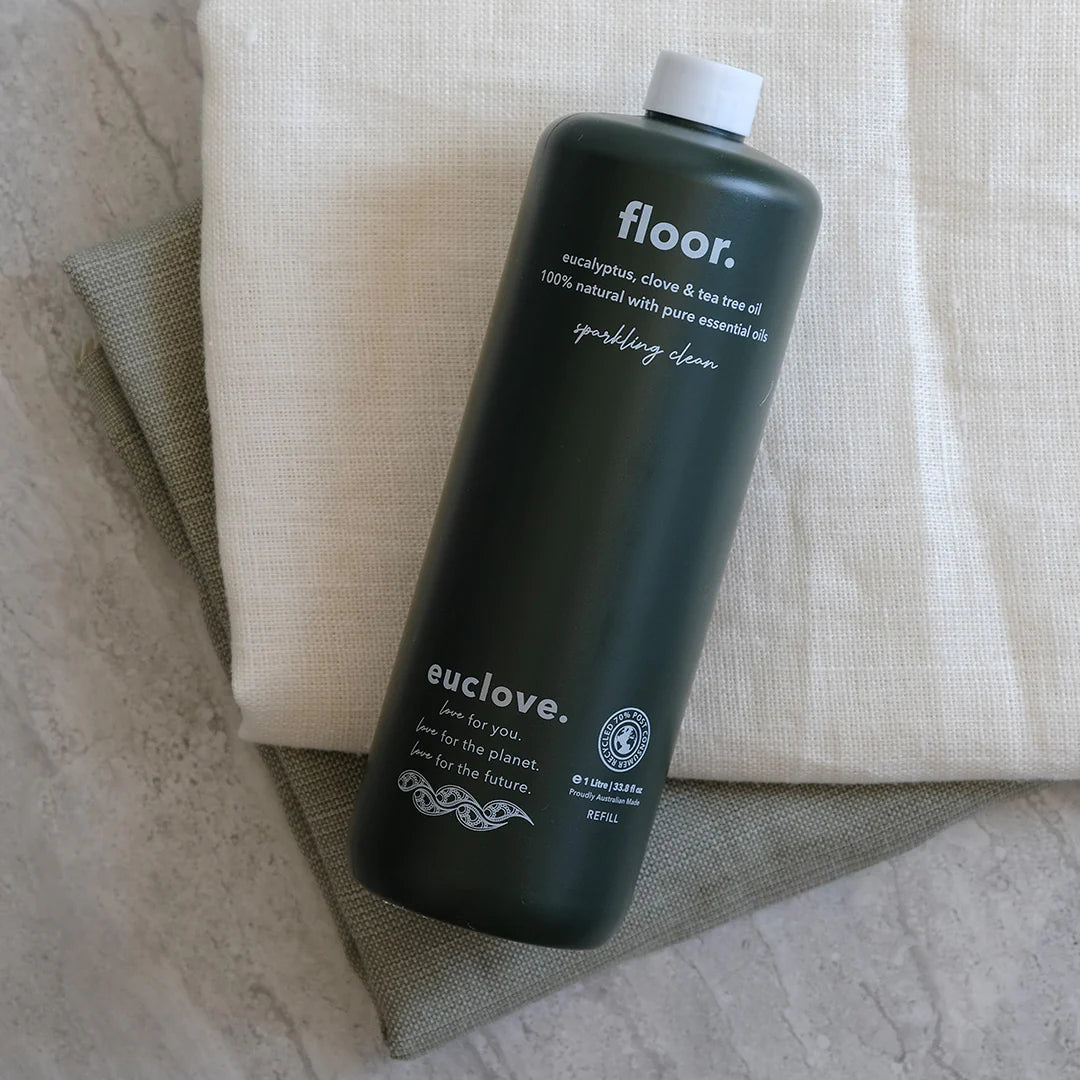
Benefits Of Essential oil Based floor cleaners - Eucalyptus, Clove and Tea Tree
-
Professional Cleaning Services in Singapore: What to Look For and What to Expect
Live — Singapore weather
Free humidity alerts &
mould prevention tips — live
Know when your home is at risk before mould grows. Aira sends real-time alerts based on Singapore’s weather — rain or shine.
Weather-triggered alerts
Humidity risk scoring
Prevention tips, free
Via Telegram, instant
Free · no sign-up required · Powered by Aira environmental intelligence