
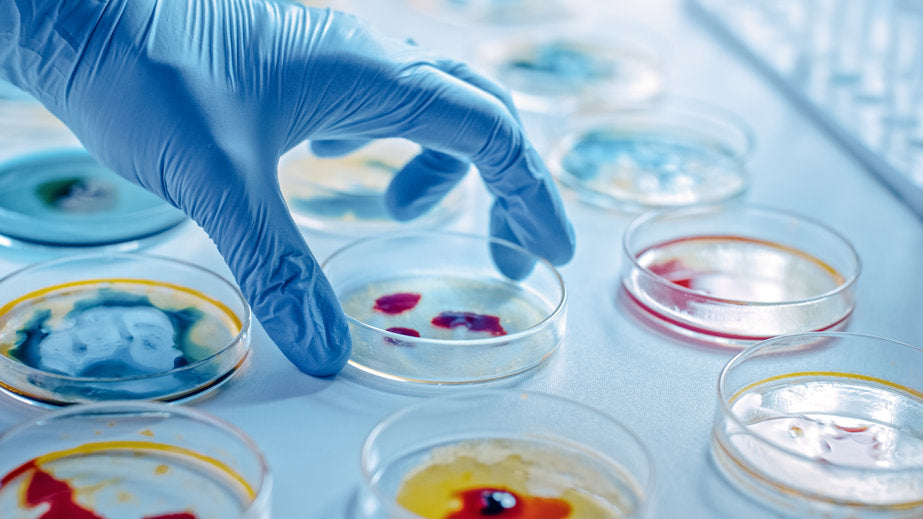
Numerous studies have examined the effectiveness of antimicrobial coatings in reducing microorganism growth on surfaces. Key findings include: coatings applied to high-touch surfaces in hospitals significantly reduced bacterial contamination; coatings on bed linens reduced patient infection risk; coatings on food processing equipment reduced bacterial contamination; coatings on respiratory devices reduced patient infection risk; coatings on medical instruments reduced infection risk; coatings on public restroom surfaces reduced bacterial contamination on door handles and faucets; coatings on food packaging reduced risk of foodborne illness; and coatings on PPE such as masks and gloves significantly reduced infection risk in healthcare workers.
Overall, studies demonstrate that antimicrobial coatings can be effective in reducing microorganism growth and inhibiting transmission of infectious diseases. Effectiveness can vary depending on the specific coating type, target microorganisms, and conditions of use.
Protect Your Space with Shield23 Pro
Visit shield23pro.com for professional antimicrobial coating for homes, offices, childcare centres, and commercial facilities. NEA-listed, lab-validated.
Live — Singapore weather
Free humidity alerts & mould prevention tips — live
Know when your home is at risk before mould grows. Aira sends real-time alerts based on Singapore’s weather — rain or shine.
Weather-triggered alerts
Humidity risk scoring
Prevention tips, free
Via Telegram, instant
Get free alerts on Telegram → Find out more at Aira →
Free · no sign-up required · Powered by Aira environmental intelligence