
-

Adoption of Antimicrobial Coating In The Hospitality Industry
-
Antimicrobial Coated Mattress For A Safe Night's Sleep
-
A safe way to improving indoor air quality and prevent mould at home.
-
Antimicrobial Coatings on Mattresses
-
Antimicrobial Coatings: A Revolution in Home and Commercial Space Hygiene
What Is Antimicrobial Coating? How It Works, Benefits and Singapore Applications
- 4 min reading time
Antimicrobial coating is a surface treatment that continuously kills or inhibits the growth of bacteria, viruses, and fungi — even between cleaning sessions. Unlike disinfectants that work only while wet, an antimicrobial coating bonds to the surface and provides ongoing protection that lasts months or years.
In Singapore's humid tropical climate, where surfaces stay warm and damp year-round, antimicrobial coatings have become an essential tool for homes, childcare centres, offices, and healthcare facilities looking for hygiene protection that goes beyond conventional cleaning.
How Antimicrobial Coating Works
Most modern antimicrobial coatings work through one of two mechanisms:
- Silver ion release: Silver ions (Ag+) are embedded in the coating matrix and released slowly over time. When microorganisms contact the surface, the ions penetrate cell membranes, disrupt DNA replication, and inhibit metabolic enzymes — killing the organism without chemicals that evaporate or wash away.
- Quaternary ammonium (QUAT) bonding: Positively charged QUAT molecules are attracted to the negatively charged cell walls of bacteria, puncturing them on contact. These are effective but typically shorter-lasting than silver ion systems.
High-grade coatings like Shield23 Pro use silver ion technology validated by NEA-accredited laboratories, offering protection against bacteria, viruses, and mould fungi for up to 3 years on treated surfaces.
What Antimicrobial Coating Protects Against
A properly applied antimicrobial coating is effective against:
- Common bacteria: E. coli, Staphylococcus aureus, Klebsiella pneumoniae
- Viruses including influenza, coronaviruses, and norovirus
- Mould and fungi species including Aspergillus niger and Cladosporium — the two most common mould types found in Singapore HDB flats
- Odour-causing microorganisms on fabric, walls, and porous surfaces
Where Antimicrobial Coating Is Applied in Singapore
Antimicrobial coatings are used across multiple settings in Singapore:
- HDB and condo homes: Bathroom walls and ceilings prone to mould, aircon vents, kitchen surfaces, and children's bedrooms
- Childcare and preschools: High-touch surfaces including tables, doorknobs, and toy storage — a critical application given children's weaker immune systems
- Medical and dental clinics: Waiting room surfaces, treatment chairs, and reception counters to reduce cross-infection risk
- Commercial offices: Elevator buttons, pantry surfaces, washrooms, and workstations — especially relevant post-COVID for employers with hygiene duty of care
- Hospitality: Hotel rooms, F&B outlets, and gyms where high footfall makes routine disinfection insufficient on its own
Antimicrobial Coating vs Regular Disinfectant
| Factor | Regular Disinfectant | Antimicrobial Coating |
|---|---|---|
| Duration of protection | Minutes to hours | Months to years |
| Works when surface is dry | No | Yes |
| Protects against recontamination | No | Yes |
| Effective against mould regrowth | Temporarily | Yes, long-term |
| Chemical exposure risk | High (repeated use) | Low (one application) |
How Long Does Antimicrobial Coating Last?
Duration depends on the active agent, application method, and surface traffic:
- Silver ion coatings: 1–3 years on hard surfaces with normal cleaning. The Asahi AHC23 silver ion formula used by Pico X Health is independently tested to remain effective for up to 3 years.
- QUAT-based coatings: Typically 3–12 months, depending on surface abrasion and cleaning frequency.
- Photocatalytic (TiO2) coatings: Effective as long as the surface is exposed to light, but less effective in dark or enclosed spaces.
In Singapore's humid conditions, surfaces in wet areas benefit most from silver ion-based coatings as they also inhibit the mould fungi that flourish in persistent moisture.
Is Antimicrobial Coating Safe?
Yes — when properly formulated. Silver ions at the concentrations used in coatings are safe for humans and approved for food contact surfaces, medical devices, and consumer products worldwide. The silver ion technology in Shield23 Pro is food-safe certified and has undergone NEA-accredited laboratory testing in Singapore.
Frequently Asked Questions
Does antimicrobial coating replace cleaning?
No. Antimicrobial coating works alongside regular cleaning — it prevents microbial regrowth between cleans and reduces the microbial load on surfaces continuously. Cleaning removes dirt and debris; the coating handles the biological layer.
Can antimicrobial coating stop mould in my HDB bathroom?
Yes, when applied to a pre-treated surface. The coating must be applied after mould has been fully deactivated and removed. Pico X Health's mould remediation process deactivates existing mould before applying the antimicrobial protective layer.
How much does antimicrobial coating cost in Singapore?
Professional antimicrobial coating for a typical HDB flat (3-room) starts from around $288, depending on areas treated and the coating system used. Commercial applications are priced by square footage.
What surfaces can be coated?
Most hard and soft surfaces: walls, ceilings, floors, furniture, fabrics, HVAC ducts, and electronic surfaces. Some coatings are formulated specifically for porous materials like concrete and plaster — common in Singapore's older HDB stock.
Protect Your Space with Shield23 Pro
Visit shield23pro.com for professional antimicrobial coating for homes, offices, childcare centres, and commercial facilities in Singapore. NEA-listed, lab-validated, up to 3 years protection.
Tags

-
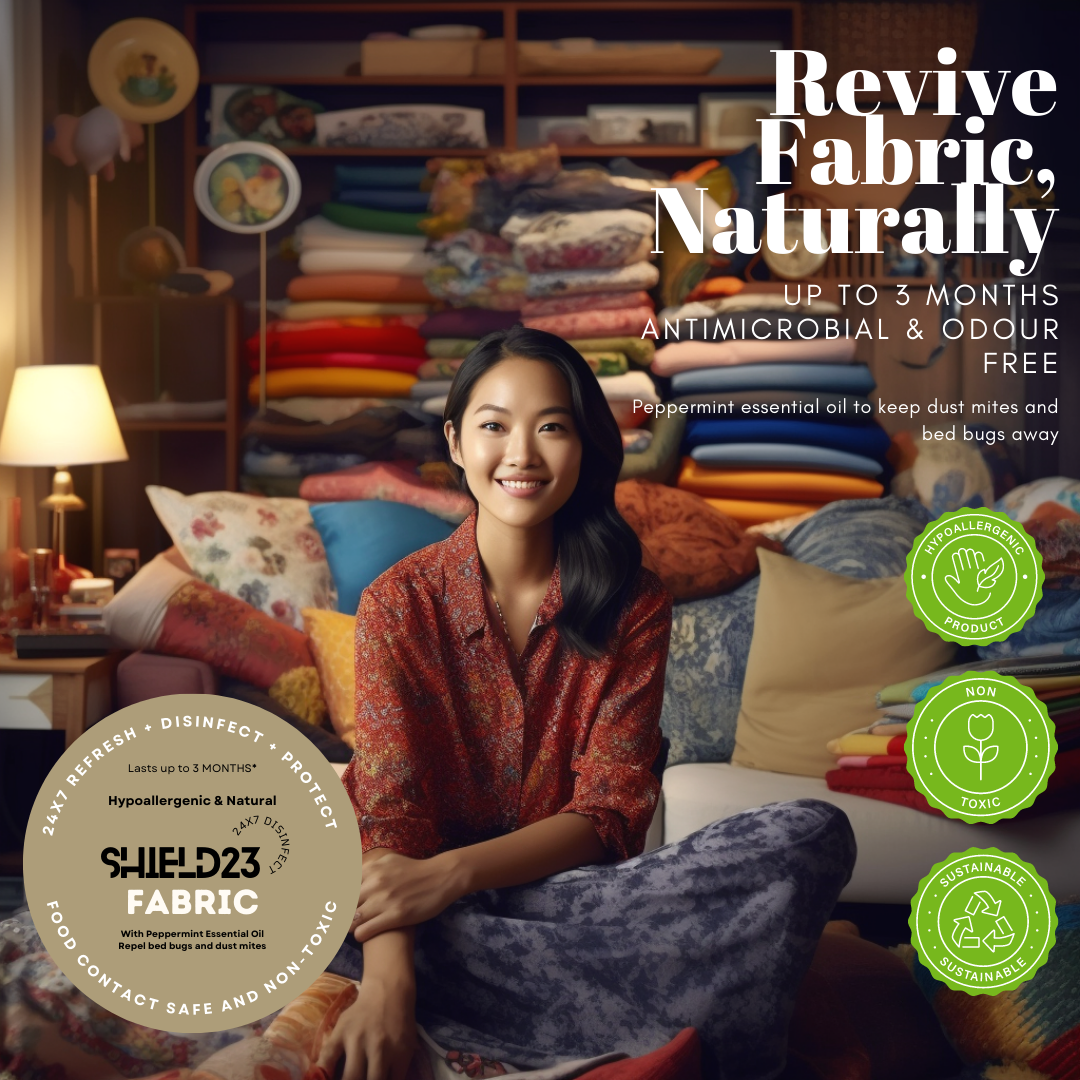
Best Fabric Refresher 2023
-
Looking for the Best Cleaning Services in Singapore?
-
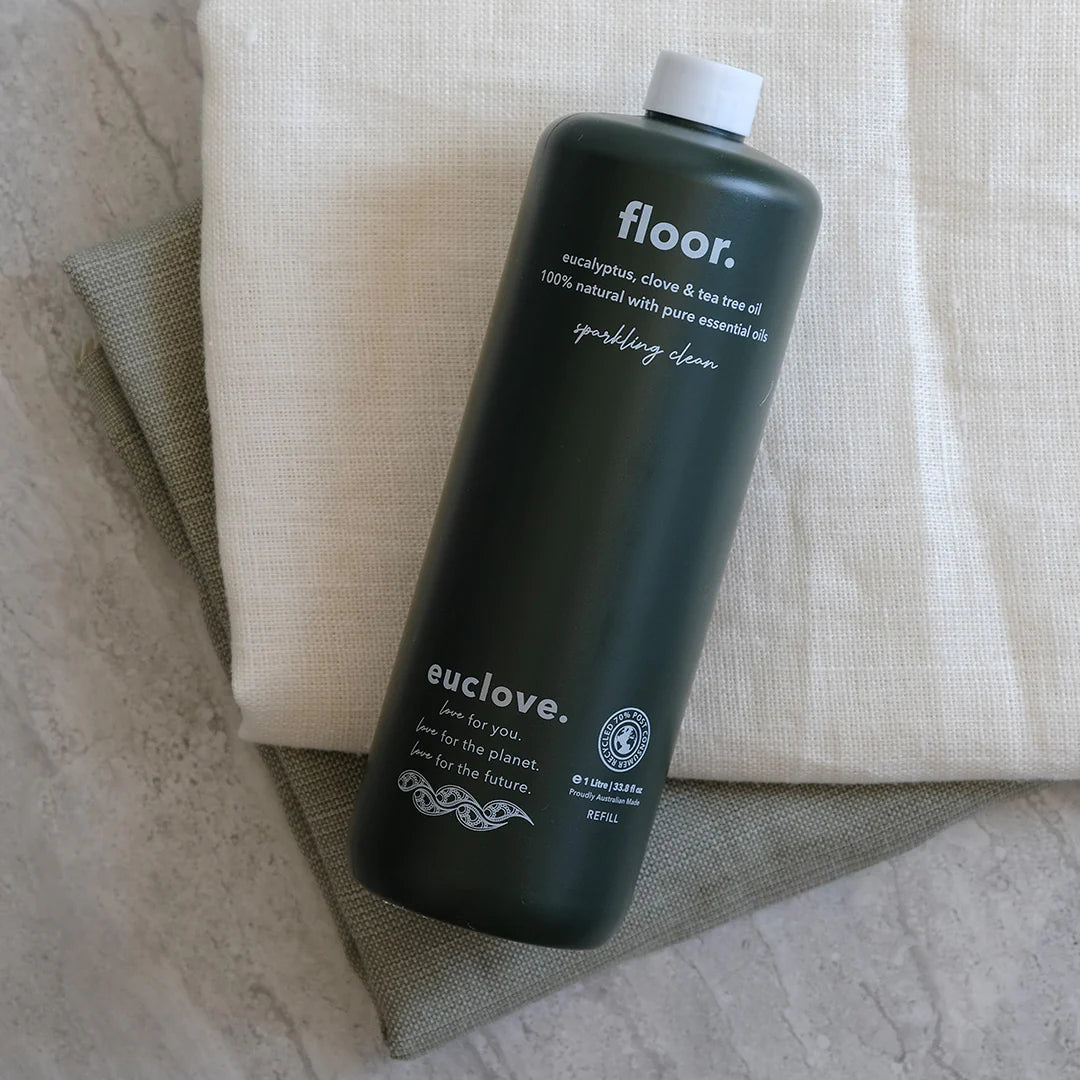
Benefits Of Essential oil Based floor cleaners - Eucalyptus, Clove and Tea Tree
-
Professional Cleaning Services in Singapore: What to Look For and What to Expect
Live — Singapore weather
Free humidity alerts &
mould prevention tips — live
Know when your home is at risk before mould grows. Aira sends real-time alerts based on Singapore’s weather — rain or shine.
Weather-triggered alerts
Humidity risk scoring
Prevention tips, free
Via Telegram, instant
Free · no sign-up required · Powered by Aira environmental intelligence