
-

Adoption of Antimicrobial Coating In The Hospitality Industry
-
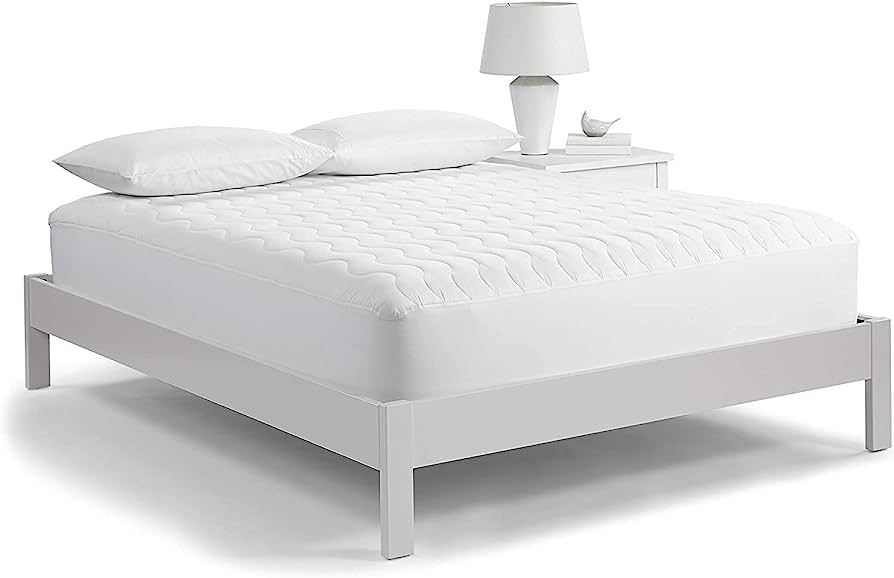
Antimicrobial Coated Mattress For A Safe Night's Sleep
-
A safe way to improving indoor air quality and prevent mould at home.
-
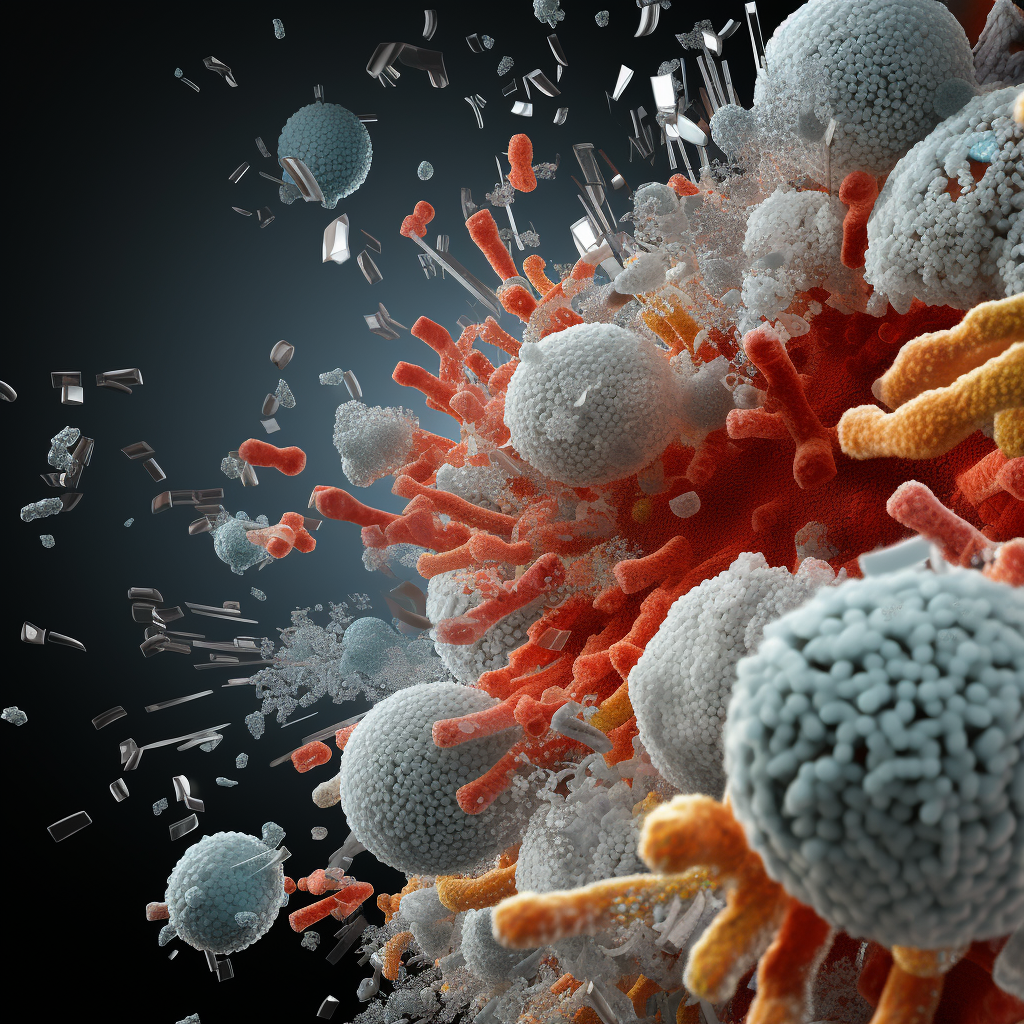
Antimicrobial Coatings on Mattresses
-
Antimicrobial Coatings: A Revolution in Home and Commercial Space Hygiene
Workplace safety - Infection control
- 5 min reading time
Infection is caused by pathogens (‘bugs’) such as bacteria, viruses, protozoa or fungi getting into or onto the body. It can take some time before the microbes multiply enough to trigger symptoms of illness, which means an infected person may unwittingly be spreading the disease during this incubation period. Infection control in the workplace aims to prevent pathogens from coming into contact with a person in the first place. Employers are obliged under the Occupational Health and Safety Act 2004 to provide a safe workplace for their employees, including the provision of adequate infection control procedures and the right equipment and training.
Transmission of infection
Infectious agents can be spread in a variety of ways, including:
- breathing in airborne germs – coughs or sneezes release airborne pathogens, which are then inhaled by others
- touching contaminated objects or eating contaminated food – the pathogens in a person's faeces may be spread to food or other objects, if their hands are dirty
- skin-to-skin contact – the transfer of some pathogens can occur through touch, or by sharing personal items, clothing or objects
- contact with body fluids – pathogens in saliva, urine, faeces or blood can be passed to another person's body via cuts or abrasions, or through the mucus membranes of the mouth and eyes.
Assumption of risk
The basis of good infection control in the workplace is to assume that everyone is potentially infectious. Proper procedures have to be followed at all times. Every workplace should have an appropriate first aid kit, with at least one staff member trained in first aid. Equipment such as gloves, gowns, eye goggles and face shields should be provided if necessary.
Workplace infection control – personal hygiene practices
Infection control procedures relating to good personal hygiene include:
- hand washing – the spread of many pathogens can be prevented with regular hand washing. Thoroughly wash your hands with water and soap for at least 15 seconds after visiting the toilet, before preparing food, and after touching clients or equipment. Dry your hands with disposable paper towels
- unbroken skin – intact and healthy skin is a major barrier to pathogens. Cover any cuts or abrasions with a waterproof dressing
- gloves – wear gloves if you are handling body fluids or equipment containing body fluids, if you are touching someone else's broken skin or mucus membrane, or performing any other invasive procedure. Wash your hands between each client and use fresh gloves for each client where necessary
- personal items – don't share towels, clothing, razors, toothbrushes, shavers or other personal items.
Food preparation and workplace infection control
When preparing food:
- Wash your hands before and after handling food.
- Avoid touching your hair, nose or mouth.
- Keep hot food hot and cold food cold.
- Use separate storage, utensils and preparation surfaces for cooked and uncooked foods.
- Wash all utensils and preparation surfaces thoroughly with hot water and detergent after use.
Infection control and workplace cleanliness
Infection control procedures relating to cleanliness in the workplace include:
- regularly washing the floors, bathrooms and surfaces( such as tables and bench tops) with hot water and detergent
- periodically washing the walls and ceilings
- thoroughly washing and drying mops, brushes and cloths after every use – drying mops and cloths is particularly important, since many pathogens rely on moisture to thrive
- using disinfectants to clean up blood and other spills of bodily fluids
- when using disinfectants – always wearing gloves, cleaning the surfaces before using the disinfectant, and always following the manufacturer's instructions exactly
- spot cleaning when necessary.
Dealing with spills of body fluids
Examples of body fluids include blood, saliva, urine and faeces. When dealing with spills of body fluids, infection control procedures need to be followed carefully. Always:
- Isolate the area.
- Wear gloves, a plastic apron and eye protection, such as goggles.
- Soak up the fluid with disposable paper towels, or cover the spill with a granular chlorine-releasing agent for a minimum of 10 minutes. Scoop up granules and waste using a piece of cardboard (or similar), place in a plastic bag and dispose of appropriately.
- Mix one part bleach to 10 parts water and apply to the area for 10 minutes.
- Wash the area with hot water and detergent.
- Dry the area.
- Dispose of paper towelling and gloves appropriately.
- Wash your hands.
- Rinse any contaminated clothing in cold running water, soak in bleach solution for half an hour, then wash separately from other clothing or linen with hot water and detergent.
Infection control – disposing of infectious waste
To dispose of infectious waste that has been contaminated with blood or other body fluids:
- Wear heavy duty gloves.
- Place waste in plastic bags marked 'infectious waste'.
- Dispose of waste appropriately per EPA guidance.
Workplace infection control – handling contaminated sharps
Infection control procedures when handling needles and other sharp contaminated objects include:
- Never attempt to re-cap or bend used needles.
- Handle by the barrel.
- Place in an appropriate puncture-proof container labelled 'Danger contaminated sharps'.
Infection control – occupational exposure to body fluids
If you come in contact with blood or body fluids:
- Flush the area with running water.
- Wash the area with plenty of warm water and soap.
- Report the incident to the appropriate staff member.
- Seek medical advice.
Source: Better Health Victoria
Protect Your Space with Shield23 Pro
Visit shield23pro.com for professional antimicrobial coating for homes, offices, childcare centres, and commercial facilities. NEA-listed, lab-validated, up to 3 years protection.



-
Best Fabric Refresher 2023
-
Looking for the Best Cleaning Services in Singapore?
-
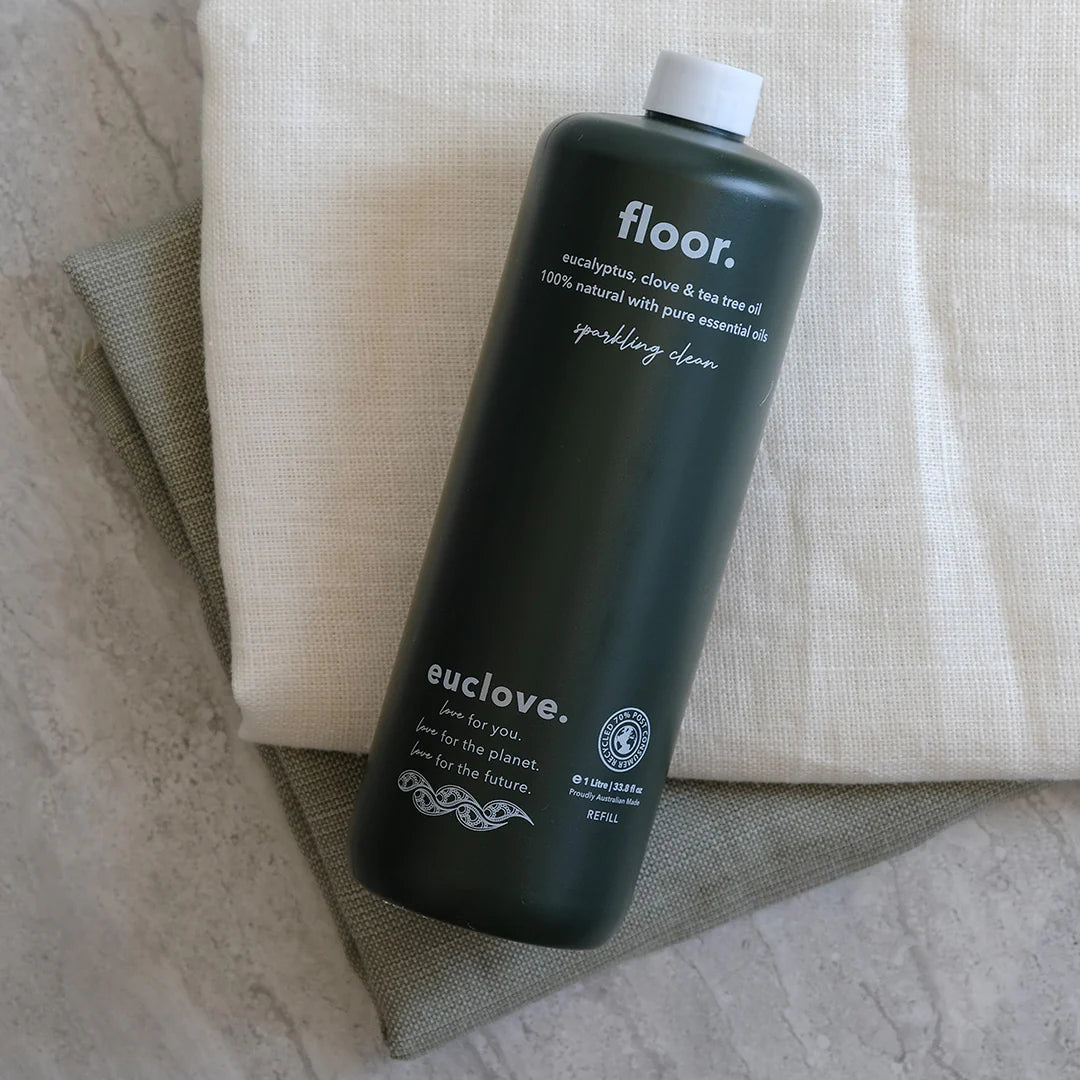
Benefits Of Essential oil Based floor cleaners - Eucalyptus, Clove and Tea Tree
-
Professional Cleaning Services in Singapore: What to Look For and What to Expect

Live — Singapore weather
Free humidity alerts &
mould prevention tips — live
Know when your home is at risk before mould grows. Aira sends real-time alerts based on Singapore’s weather — rain or shine.
Weather-triggered alerts
Humidity risk scoring
Prevention tips, free
Via Telegram, instant
Free · no sign-up required · Powered by Aira environmental intelligence