
-

Adoption of Antimicrobial Coating In The Hospitality Industry
-
Antimicrobial Coated Mattress For A Safe Night's Sleep
-
A safe way to improving indoor air quality and prevent mould at home.
-
Antimicrobial Coatings on Mattresses
-
Antimicrobial Coatings: A Revolution in Home and Commercial Space Hygiene
HDB Bathroom Waterproofing: Is It Worth It and What Does It Cover?
- 4 min reading time
Bathroom waterproofing is one of the most overlooked maintenance tasks for Singapore HDB flat owners — until seepage starts appearing on a neighbour's ceiling below. Once water infiltration begins, the cost, complexity, and neighbourly friction involved can be significant. Understanding when waterproofing is needed, what methods exist, and how HDB's repair liability framework works helps flat owners make informed decisions before problems develop.
Why HDB Bathrooms Develop Seepage
HDB bathrooms in Singapore face a specific set of conditions that accelerate waterproofing degradation:
- Age of waterproofing membrane: The original waterproofing installed during construction has a finite lifespan — typically 10–15 years. Most older HDB flats have waterproofing that is well past its useful life.
- Thermal cycling: Singapore's heat causes expansion and contraction of floor and wall screed. Over time this cracks the membrane at joints and edges — the most common failure points.
- Renovation damage: Hacking during renovation (tile replacement, toilet repositioning) frequently damages the waterproofing layer. Many renovation contractors do not re-waterproof after hacking.
- Grout and sealant failure: Even without membrane failure, deteriorating grout between tiles and failing silicone sealant around fixtures allows water to penetrate slowly.
HDB's Rules on Bathroom Waterproofing Liability
Under HDB's framework and Section 26A of the Housing and Development (Amendments) Act 2015:
- The flat owner above is responsible for ensuring their bathroom does not cause seepage to the flat below
- If a neighbour's ceiling shows water damage, HDB will first advise both parties to resolve it amicably
- If the owner above refuses to act, HDB can issue a notice and, as a last resort, enter the flat with a warrant to carry out repairs — the cost of which is then charged to the flat owner
- Documenting all communication with your neighbour and HDB in writing is critical if a dispute escalates
Proactive waterproofing is significantly cheaper than reactive repairs after a seepage dispute, which often involve tile hacking, replastering, and repainting across two flats.
Waterproofing Methods for HDB Bathrooms
Positive Waterproofing (from the water side)
Applied to the surface where water pressure acts — typically the bathroom floor and lower walls from inside the bathroom. This is the standard approach for new waterproofing and involves applying a membrane or coating directly to the screed layer before tiling. Most professional waterproofing in Singapore uses cementitious coatings, polyurethane membranes, or crystalline waterproofing systems.
Negative Waterproofing (from the dry side)
Applied from the opposite side of water pressure — in the case of HDB bathrooms, from below the slab (i.e. from the unit below's ceiling). This approach is used when the bathroom floor cannot be hacked (e.g. when tiles are in good condition or hacking is not feasible), or as a remedial measure applied from the affected neighbour's unit. Effectiveness is lower than positive waterproofing but avoids full tile replacement.
Surface Sealants and Grout Treatment
For minor seepage through grout lines or around fixtures, surface-applied sealants and epoxy grout treatment can address isolated failure points without full membrane replacement. This is appropriate for early-stage seepage where the membrane itself is intact but surface grout and sealant have failed.
What to Expect During HDB Bathroom Waterproofing
- Tile hacking: Full waterproofing replacement requires removing existing floor tiles to expose the screed. This adds cost and time but is necessary for proper membrane application.
- Membrane application: The waterproofing membrane is applied in multiple coats with an overlap to walls (typically 150–300mm up from the floor). Joints and pipe penetrations are reinforced with mesh tape.
- Curing time: Most waterproofing membranes require 24–48 hours of curing before the bathroom can be used. Full cure before tiling takes 3–7 days.
- Flood test: A reputable contractor will conduct a flood test (ponding water for 24 hours) before retiling to confirm the membrane is intact.
Cost of HDB Bathroom Waterproofing in Singapore
Approximate price ranges for a standard HDB bathroom (approximately 4–6sqm):
- Positive waterproofing (with tile hacking and retiling): $1,500–$3,500 depending on tile choice and finishing
- Negative waterproofing (from below, no tile hacking): $600–$1,200
- Surface sealant treatment only: $200–$500
These are estimates — actual costs vary based on bathroom size, access, extent of existing damage, and contractor rates.
Preventing Mould After Waterproofing
Waterproofing addresses water infiltration but does not prevent surface mould growth caused by condensation and humidity — the most common type of bathroom mould in Singapore. After waterproofing is complete, applying an antimicrobial coating to bathroom walls and ceilings provides long-term protection against mould regrowth without the need for frequent bleaching.
Mould Removal & Prevention in Singapore
Already have mould? Removal and antimicrobial coating for HDB flats, BTOs and condos — Essential Care from $199, full unit from $1,068.
No mould yet? Whole-home antimould ceiling coating, 6-year warranty, from $499.
Tags

-
Best Fabric Refresher 2023
-
Looking for the Best Cleaning Services in Singapore?
-
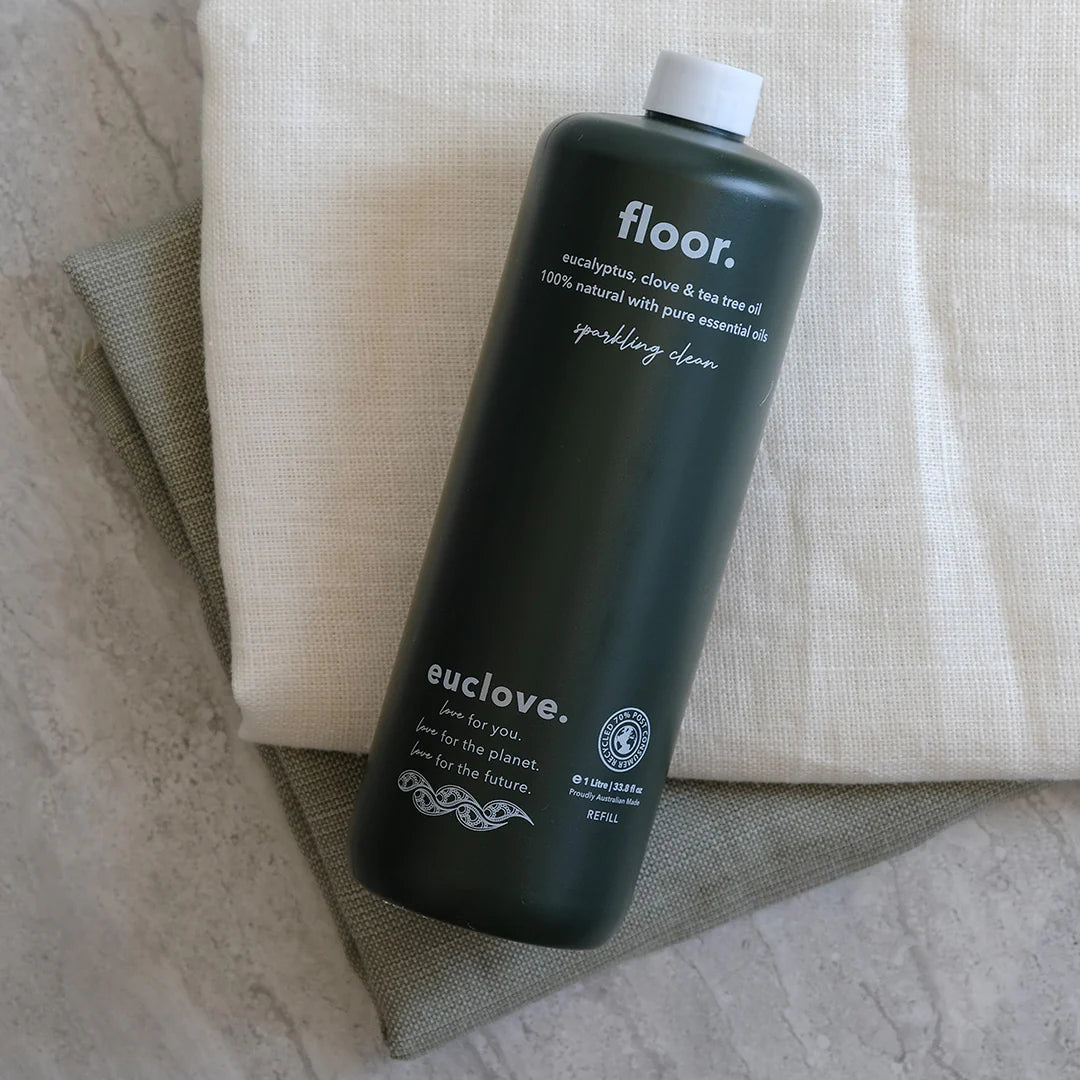
Benefits Of Essential oil Based floor cleaners - Eucalyptus, Clove and Tea Tree
-
Professional Cleaning Services in Singapore: What to Look For and What to Expect


Live — Singapore weather
Free humidity alerts &
mould prevention tips — live
Know when your home is at risk before mould grows. Aira sends real-time alerts based on Singapore’s weather — rain or shine.
Weather-triggered alerts
Humidity risk scoring
Prevention tips, free
Via Telegram, instant
Free · no sign-up required · Powered by Aira environmental intelligence