
-

Adoption of Antimicrobial Coating In The Hospitality Industry
-
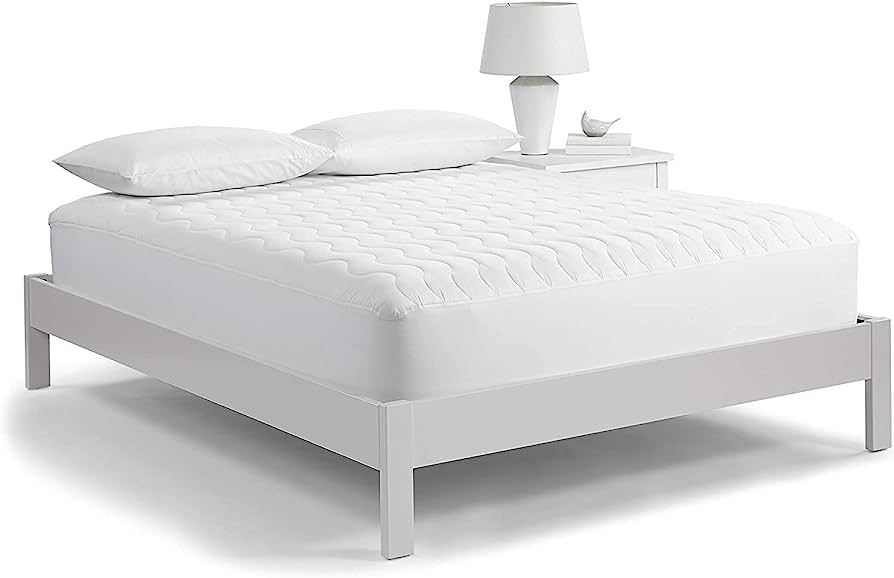
Antimicrobial Coated Mattress For A Safe Night's Sleep
-
A safe way to improving indoor air quality and prevent mould at home.
-
Antimicrobial Coatings on Mattresses
-
Antimicrobial Coatings: A Revolution in Home and Commercial Space Hygiene
Mould in HDB Flats?
- 5 min reading time
How to Deal With Mould in HDB Flats
Mould is not uncommon in HDB flats. The humid climate in Singapore provides the perfect breeding ground for mould growth. If left untreated, mould can cause various health issues and even damage the structure of your home. In this article, we will discuss how to understand, identify, prevent, and remove mould in HDB flats.
Understanding Mould in HDB Flats
Mould is a type of fungi that thrives in moist and humid environments. It appears as a fuzzy growth on various surfaces, including walls, ceilings, and furniture. Mould spreads through tiny spores that float in the air and can easily enter your home.
What is Mould?
Mould, also known as mold, is a common problem faced by many homeowners, including those living in HDB flats. It is a type of fungi that belongs to the kingdom Fungi. While there are thousands of species of mould, the most commonly found in homes are Aspergillus, Penicillium, and Cladosporium.
These microscopic fungi thrive in environments with high moisture levels, making HDB flats susceptible to mould growth. The warm and humid climate in Singapore provides an ideal breeding ground for mould to flourish.
When mould spores land on surfaces, they can start growing and spreading rapidly if the conditions are favorable. The fuzzy appearance of mould is due to the branching filaments called hyphae, which penetrate the material it is growing on, such as walls, ceilings, or furniture.
Not only is mould unsightly, but it can also cause various health issues. Exposure to mould spores can trigger allergic reactions, respiratory problems, and even worsen existing conditions like asthma or allergies.

Why Mould Grows in HDB Flats
There are several factors that contribute to mould growth in HDB flats. Understanding these factors can help homeowners take preventive measures to reduce the risk of mould infestation.
One of the primary reasons for mould growth in HDB flats is the high humidity levels. Singapore's tropical climate means that the air is often saturated with moisture, especially during the rainy season. This excess moisture can seep into the walls, ceilings, and other surfaces, providing an ideal environment for mould to thrive.
Poor ventilation is another factor that contributes to mould growth. HDB flats are designed to be airtight for energy efficiency, but this can also trap moisture indoors. Without proper ventilation, the moisture cannot escape, leading to increased humidity levels and creating a conducive environment for mould.
Inadequate sunlight is also a common issue in HDB flats. Buildings and neighboring structures can block natural sunlight from entering certain areas, preventing the drying out of damp surfaces.
Water leaks and condensation are additional factors that promote mould growth. HDB flats may experience plumbing issues or roof leaks, resulting in water seepage and dampness.
Furthermore, inadequate insulation in HDB flats can contribute to mould growth. Poor insulation can lead to temperature differences between indoor and outdoor environments, causing condensation to form on surfaces.
To prevent mould growth in HDB flats, it is crucial to address these contributing factors. Measures such as improving ventilation, reducing moisture levels, fixing leaks promptly, and ensuring proper insulation can help create an environment less conducive to mould infestation.
The Dangers of Mould in Your Home
Health Risks Associated with Mould
Mould can pose significant health risks, particularly for individuals with respiratory conditions such as asthma or allergies. When mould spores are inhaled, they can irritate the airways, leading to symptoms such as coughing, wheezing, and difficulty in breathing.
Furthermore, mould exposure can also trigger allergic reactions in some individuals. This can manifest as skin rashes, itching, and eye irritation.
Structural Damage Caused by Mould
In addition to the health risks, mould can also cause significant structural damage to your HDB flat. When mould grows on surfaces such as walls, ceilings, and wooden materials, it gradually deteriorates these materials over time.
Identifying Mould in Your HDB Flat
Common Signs of Mould
Spotting mould in your HDB flat is crucial for early detection and prevention. Mould often appears as dark spots or patches on surfaces, such as walls, ceilings, or even furniture. You may also notice a musty odor in the affected area.
Areas Prone to Mould Growth
Bathrooms are notorious breeding grounds for mould due to the high humidity levels and constant exposure to water. Kitchens are another area where mould can easily thrive. Areas near water pipes are also prone to mould growth.
Preventing Mould Growth in HDB Flats
Effective Ventilation Techniques
Proper ventilation is key to preventing mould growth in your HDB flat. Ensure that there is sufficient airflow throughout your home by opening windows or using exhaust fans. Consider installing dehumidifiers or air purifiers to reduce humidity levels.
Regular Cleaning and Maintenance
Regular cleaning and maintenance can significantly help in preventing mould. Keep your HDB flat clean and dry by wiping away any moisture, especially in areas prone to dampness. Repair any leaks or water damage promptly to minimize the risk of mould growth.
How to Remove Mould in HDB Flats
DIY Mould Removal Methods
If you spot mould in your HDB flat, it is essential to address it promptly. For small areas of mould growth, you can use a mixture of vinegar and water or a bleach solution to clean the affected surfaces.
When to Call a Professional
In some cases, mould infestations may be severe or extensive, requiring professional assistance. If you are unable to remove the mould yourself or if you have underlying health conditions, it is recommended to seek help from professional mould remediation services in Singapore. They have the expertise and equipment to safely remove the mould and prevent its regrowth.
Proactively dealing with mould in HDB flats is crucial for maintaining a healthy and safe living environment. By understanding the causes, spotting early signs, and taking preventive measures, you can successfully combat mould growth in your home.
Mould Removal & Prevention in Singapore
Already have mould? Removal and antimicrobial coating for HDB flats, BTOs and condos — Essential Care from $199, full unit from $1,068.
No mould yet? Whole-home antimould ceiling coating, 6-year warranty, from $499.
Tags


-
Best Fabric Refresher 2023
-
Looking for the Best Cleaning Services in Singapore?
-
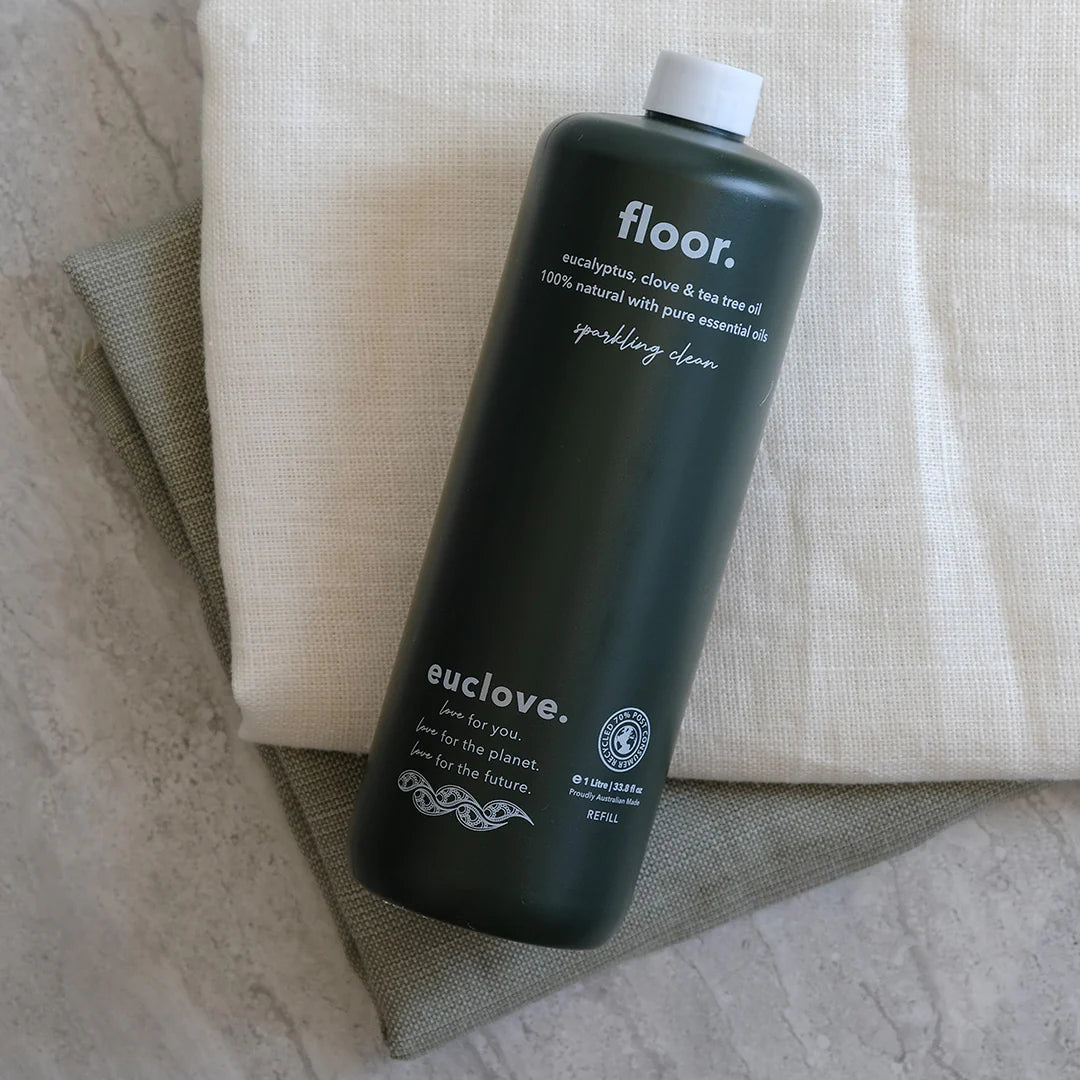
Benefits Of Essential oil Based floor cleaners - Eucalyptus, Clove and Tea Tree
-
Professional Cleaning Services in Singapore: What to Look For and What to Expect



Live — Singapore weather
Free humidity alerts &
mould prevention tips — live
Know when your home is at risk before mould grows. Aira sends real-time alerts based on Singapore’s weather — rain or shine.
Weather-triggered alerts
Humidity risk scoring
Prevention tips, free
Via Telegram, instant
Free · no sign-up required · Powered by Aira environmental intelligence