
-

Adoption of Antimicrobial Coating In The Hospitality Industry
-
Antimicrobial Coated Mattress For A Safe Night's Sleep
-
A safe way to improving indoor air quality and prevent mould at home.
-
Antimicrobial Coatings on Mattresses
-
Antimicrobial Coatings: A Revolution in Home and Commercial Space Hygiene
How to Remove Mould in Singapore: DIY Methods and When to Call a Professional
- 4 min reading time
Mould is one of the most common home maintenance problems in Singapore. The warm, humid climate means mould can establish itself within 24–48 hours on any damp surface — and once it takes hold, surface wiping rarely removes it permanently. This guide covers how to remove mould correctly, what products work, when to call a professional, and how to prevent regrowth.
Understanding Mould in Singapore Homes
Mould is a fungus that reproduces via airborne spores. When spores land on a damp surface with an organic food source (dust, paint, wood, plaster), they germinate and grow a network of filaments called hyphae beneath the surface. What you see as mould — the visible black, green, or white patches — is only the surface fruiting body. The root structure penetrates into the substrate below.
This is why surface wiping or painting over mould only produces temporary results: the hyphae remain alive below and the mould regrows within weeks. Effective removal requires deactivating the entire organism, not just the visible surface.
Common Causes of Mould in Singapore HDB Flats
- Air-conditioning condensation: Cold aircon surfaces cause warm, humid room air to condense — producing the persistent dampness that feeds mould on nearby walls and ceilings
- Poor ventilation: Bathrooms and kitchens without adequate exhaust fans trap moisture, especially during cooking and bathing
- Seepage from neighbouring units: Water from bathroom floors above or pipe leaks within walls creates hidden damp zones where mould grows unseen
- High outdoor humidity: Singapore's ambient humidity of 70–90% means that any surface exposed to outside air will absorb moisture, particularly in older flats with poor insulation
DIY Mould Removal: What Works and What Does Not
What Works for Small Areas (under 1sqm)
- Wear N95 mask, gloves, and eye protection before starting — disturbing mould releases spores
- Apply a diluted bleach solution (1 part bleach to 10 parts water) or a commercial mould remover to the affected surface and leave for 15–20 minutes — do not wipe immediately
- Scrub thoroughly with a stiff brush, then rinse and dry completely
- Apply an antimould primer before repainting — standard paint over untreated mould will simply entomb the hyphae temporarily
- Address the moisture source — without fixing the underlying cause, mould will return regardless of how well you clean it
What Does Not Work
- Painting over mould: Paint does not kill mould. The hyphae grow through most paint within weeks.
- Wiping with a dry cloth: This spreads spores to new surfaces without removing the organism.
- Bleach alone on porous surfaces: Bleach kills surface mould on non-porous materials but cannot penetrate porous substrates like plaster, grout, and concrete where hyphae are embedded. The surface turns white but the organism survives below.
When to Call a Professional Mould Removal Service
DIY removal is appropriate for small, surface-level mould patches in accessible areas. Call a professional when:
- Mould covers more than 1sqm — large infestations require containment to prevent spore spread during removal
- Mould has returned repeatedly after DIY treatment — indicates the root cause (seepage, hidden dampness) has not been addressed
- Mould is inside walls, ceiling cavities, or aircon ducting — inaccessible areas require specialist equipment
- Household members experience worsening respiratory symptoms, allergic reactions, or asthma — this indicates elevated airborne spore levels requiring professional remediation
- Mould is black or dark green and widespread — potentially toxic species like Stachybotrys require proper containment and protective equipment
What Professional Mould Removal Involves
A professional mould remediation service does significantly more than surface cleaning:
- Moisture assessment: Identify all moisture sources including hidden seepage using moisture meters and thermal imaging
- Containment: Seal off the affected area to prevent spore spread during removal
- Deactivation: Apply professional-grade mould deactivation treatment that penetrates porous substrates and kills the hyphae structure, not just the surface
- Removal: Remove deactivated mould material, including damaged plaster or substrate if required
- Antimicrobial protection: Apply long-term antimicrobial coating after treatment to inhibit regrowth — this is the step that prevents the cycle from restarting
Frequently Asked Questions
How long does mould take to come back after treatment?
With proper professional treatment including antimicrobial coating applied after deactivation, mould should not return for 1–3 years under normal conditions. DIY bleach treatment typically lasts 2–8 weeks before regrowth appears.
Is HDB responsible for mould removal?
HDB is responsible for common areas and structural elements. Mould inside your flat — even caused by construction defects or seepage from common infrastructure — is generally the flat owner's responsibility to remediate. If seepage is from a neighbouring unit, the neighbour above is liable under HDB's framework.
Can I live in my flat during professional mould removal?
For minor remediation, yes — professionals use containment measures that limit spore spread. For extensive infestations involving wall hacking or large-area treatment, it is advisable to stay elsewhere during the treatment day and return once the area has been ventilated.
Mould Removal & Prevention in Singapore
Already have mould? Removal and antimicrobial coating for HDB flats, BTOs and condos — Essential Care from $199, full unit from $1,068.
No mould yet? Whole-home antimould ceiling coating, 6-year warranty, from $499.
Tags


-
Best Fabric Refresher 2023
-
Looking for the Best Cleaning Services in Singapore?
-
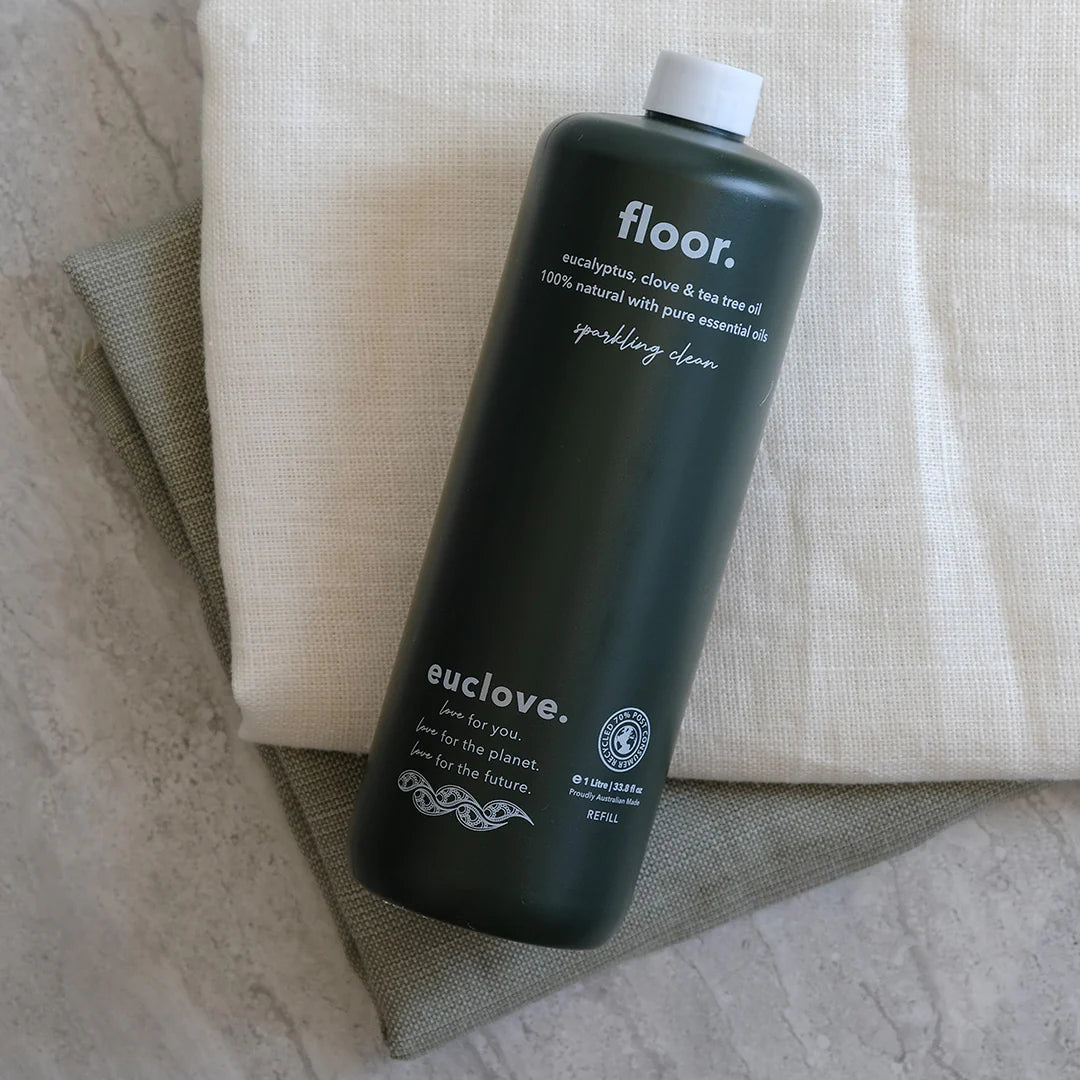
Benefits Of Essential oil Based floor cleaners - Eucalyptus, Clove and Tea Tree
-
Professional Cleaning Services in Singapore: What to Look For and What to Expect


Live — Singapore weather
Free humidity alerts &
mould prevention tips — live
Know when your home is at risk before mould grows. Aira sends real-time alerts based on Singapore’s weather — rain or shine.
Weather-triggered alerts
Humidity risk scoring
Prevention tips, free
Via Telegram, instant
Free · no sign-up required · Powered by Aira environmental intelligence