
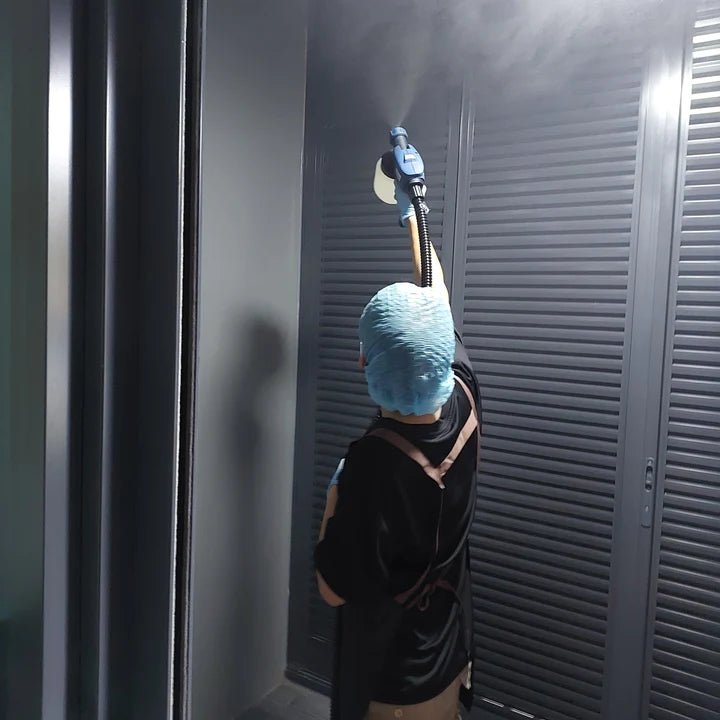

Why Antimould Paint Often Fails and Why Antimould Sealant Is Superior
Mould is a common problem in many households and buildings. It's not just an aesthetic issue—mould can have serious health implications, including respiratory issues and allergic reactions. To combat this problem, many turn to antimould products, such as antimould paint and antimould sealants. However, there's a significant difference in the efficacy of these two solutions. This article will explore why antimould paint often fails and why an antimould sealant is usually the better choice.
1. Surface Preparation:
- Antimould Paint: Before applying antimould paint, the surface must be thoroughly cleaned of all existing mould. This is often easier said than done. If any mould spores remain on the surface, they can continue to grow underneath the paint, making the antimould properties of the paint ineffective.
- Antimould Sealant: Sealants are generally better at adhering to surfaces, even if there are minute traces of mould. They provide a barrier that prevents moisture from reaching the mould, essentially starving it.
2. Primary Function:
- Antimould Paint: The primary function of paint is to provide color and finish to surfaces. The antimould properties are often secondary, which means they might not be as effective as products designed specifically to combat mould.
- Antimould Sealant: Sealants are specifically designed to block out moisture. This is crucial because mould needs moisture to thrive. By providing a barrier against moisture, sealants directly address the root cause of mould growth.
3. Longevity and Durability:
- Antimould Paint: Paint can chip, crack, and peel over time, especially in areas with high moisture or fluctuations in temperature. When this happens, the protective layer against mould is compromised.
- Antimould Sealant: Sealants are formulated to withstand challenging conditions. They are often more durable and longer-lasting than paint, offering better protection against mould over time.
4. Active Ingredients:
- Antimould Paint: Many antimould paints rely on biocides to kill mould. These biocides can diminish over time, reducing the paint's effectiveness against mould.
- Antimould Sealant: Sealants often incorporate long-lasting antimicrobial agents that offer extended protection against mould and mildew.
5. Application Limitations:
- Antimould Paint: Paint is usually limited to walls and ceilings. It may not be suitable for areas with high moisture exposure, such as bathrooms or kitchens, without additional protective measures.
- Antimould Sealant: Sealants can be applied to a broader range of surfaces, including joints, gaps, and other vulnerable areas where mould tends to grow.
Conclusion:
While antimould paint can offer some level of protection against mould, its limitations often make it less effective than antimould sealants. Sealants provide a more durable, targeted, and long-lasting solution to mould problems. They address the primary cause of mould growth—moisture—by creating a barrier that stops water infiltration. For those serious about preventing mould, investing in a good antimould sealant is often the smarter choice.
Mould Removal & Prevention in Singapore
Already have mould? Removal and antimicrobial coating for HDB flats, BTOs and condos — Essential Care from $199, full unit from $1,068.
No mould yet? Whole-home antimould ceiling coating, from $499.