
Learn

Why Punggol, Sengkang and Bukit Timah residential has higher risk of mould infestation?

Navigating the Challenges of Mould Growth in Bukit Timah, Punggol, and Sengkang In the meticulously maintained city-state of Singapore, the pervasive issue of mold growth in homes is an often-overlooked consequence of the nation's humid tropical climate. While this challenge is not unique to any single locality within

Discipline
mold and fungi
Reading time
2 min
Sections
5
Reviewed by
Pico X Environmental Health
Why Punggol, Sengkang and Bukit Timah residential has higher risk of mould infestation?

In the meticulously maintained city-state of Singapore, the pervasive issue of mold growth in homes is an often-overlooked consequence of the nation's humid tropical climate. While this challenge is not unique to any single locality within Singapore, certain residential areas, notably Bukit Timah, Punggol, and Sengkang, exhibit a heightened susceptibility to mold proliferation.

Pico X mould removal and prevention

The Impact of Climate and Geography

Singapore's climate is inherently conducive to mold development, characterized by persistent high humidity, elevated temperatures, and significant rainfall. However, specific geographical features and localized climatic conditions in Bukit Timah, Punggol, and Sengkang exacerbate the propensity for mold growth:

  • Bukit Timah's rich greenery and elevated terrain create a microclimate where the cooler, shaded areas retain moisture, providing a fertile ground for mold.

  • Punggol and Sengkang are distinguished by their proximity to water bodies and rapid urban development.

The Role of Building Design and Age

  • The historical architecture of Bukit Timah may lack contemporary mold prevention insights.

  • Punggol and Sengkang boast newer infrastructures, yet high-density living and air conditioning over natural ventilation can foster mould growth.

Strategies for Mitigation and Prevention

  • Routine maintenance and immediate attention to leaks.
  • Utilization of dehumidifiers and regular servicing of air conditioning units.
  • Promotion of natural ventilation.
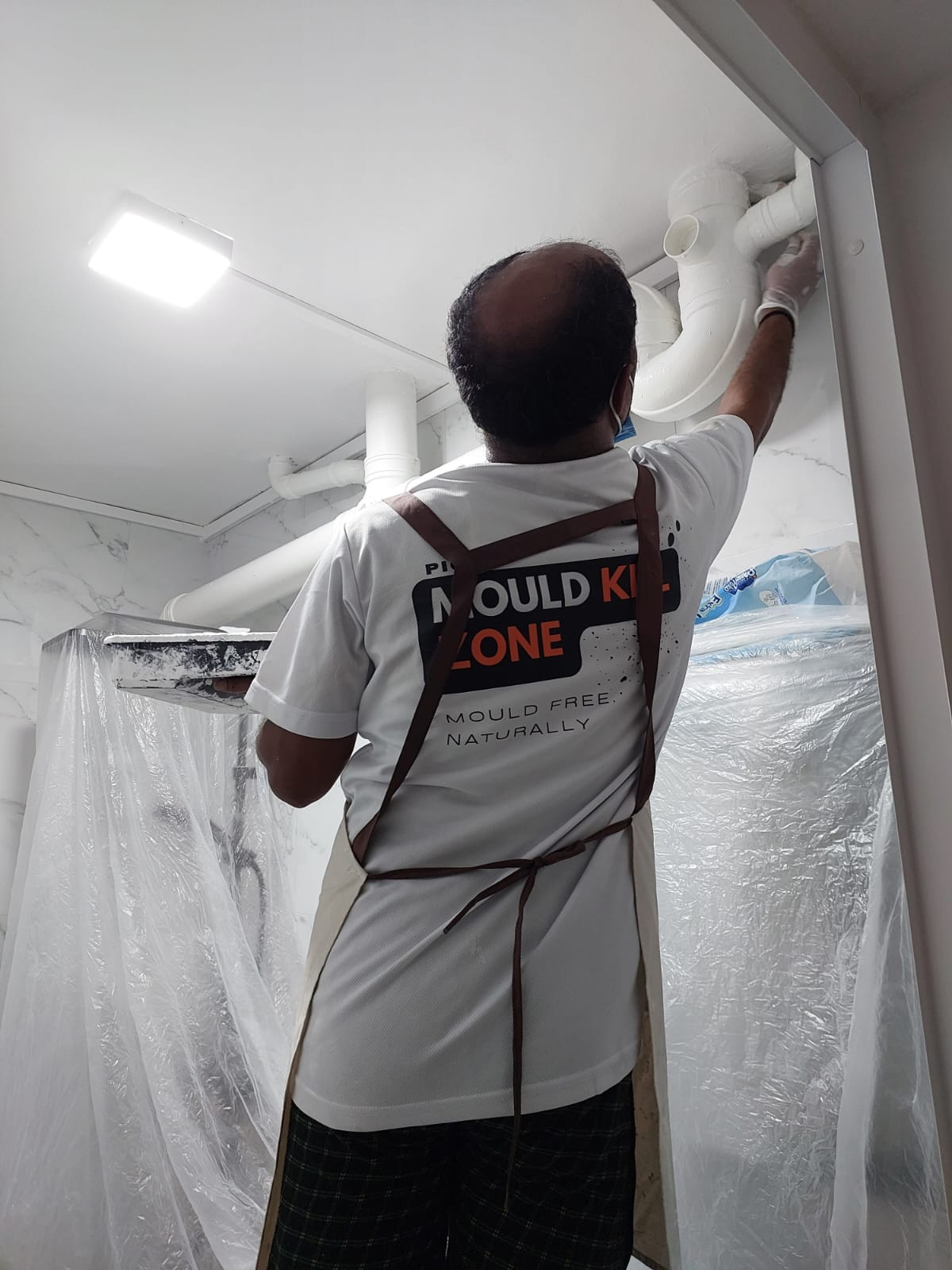
  • Application of mold-resistant materials and coatings in moisture-prone areas.

In Summary

The phenomenon of mold growth in Singaporean homes, particularly in the areas of Bukit Timah, Punggol, and Sengkang, is influenced by a confluence of geographic, climatic, and human factors. Through informed and diligent practices, the challenge posed by mold can be successfully managed.

Mould Removal & Prevention in Singapore

Already have mould? Removal and antimicrobial coating for HDB flats, BTOs and condos — Essential Care from $199, full unit from $1,068.

No mould yet? Whole-home antimould ceiling coating, from $499.

Book at picoxmouldremoval.sg

WhatsApp us to find out which you need

Scientific review

Written for Singapore's tropical indoor climate and checked by the Pico X environmental health team. 332 words · 2 minute read.

Questions

Why Punggol, Sengkang and Bukit Timah residential has higher risk of mould infestation?: common questions

Why are homes in Bukit Timah more susceptible to mould growth?

Bukit Timah's rich greenery and elevated terrain create cooler, shaded areas that retain moisture, encouraging mould growth. Its historical architecture may also lack contemporary mould prevention features.

Why can newer homes in Punggol and Sengkang develop mould?

Punggol and Sengkang are close to water bodies and have undergone rapid urban development. Despite newer infrastructure, high-density living and reliance on air conditioning over natural ventilation can foster mould growth.

How does Singapore's climate contribute to mould in homes?

Singapore's persistent high humidity, elevated temperatures and significant rainfall create conditions conducive to mould development. Local geography and climatic conditions can further increase susceptibility in Bukit Timah, Punggol and Sengkang.

How can residents reduce the risk of mould growth at home?

Carry out routine maintenance, address leaks immediately and service air conditioning units regularly. Use dehumidifiers, promote natural ventilation and apply mould-resistant materials and coatings in moisture-prone areas.

Next step

Tell us about your space.

Send a photo of the wall, ceiling or room that worries you. We will tell you what is happening and what it needs.