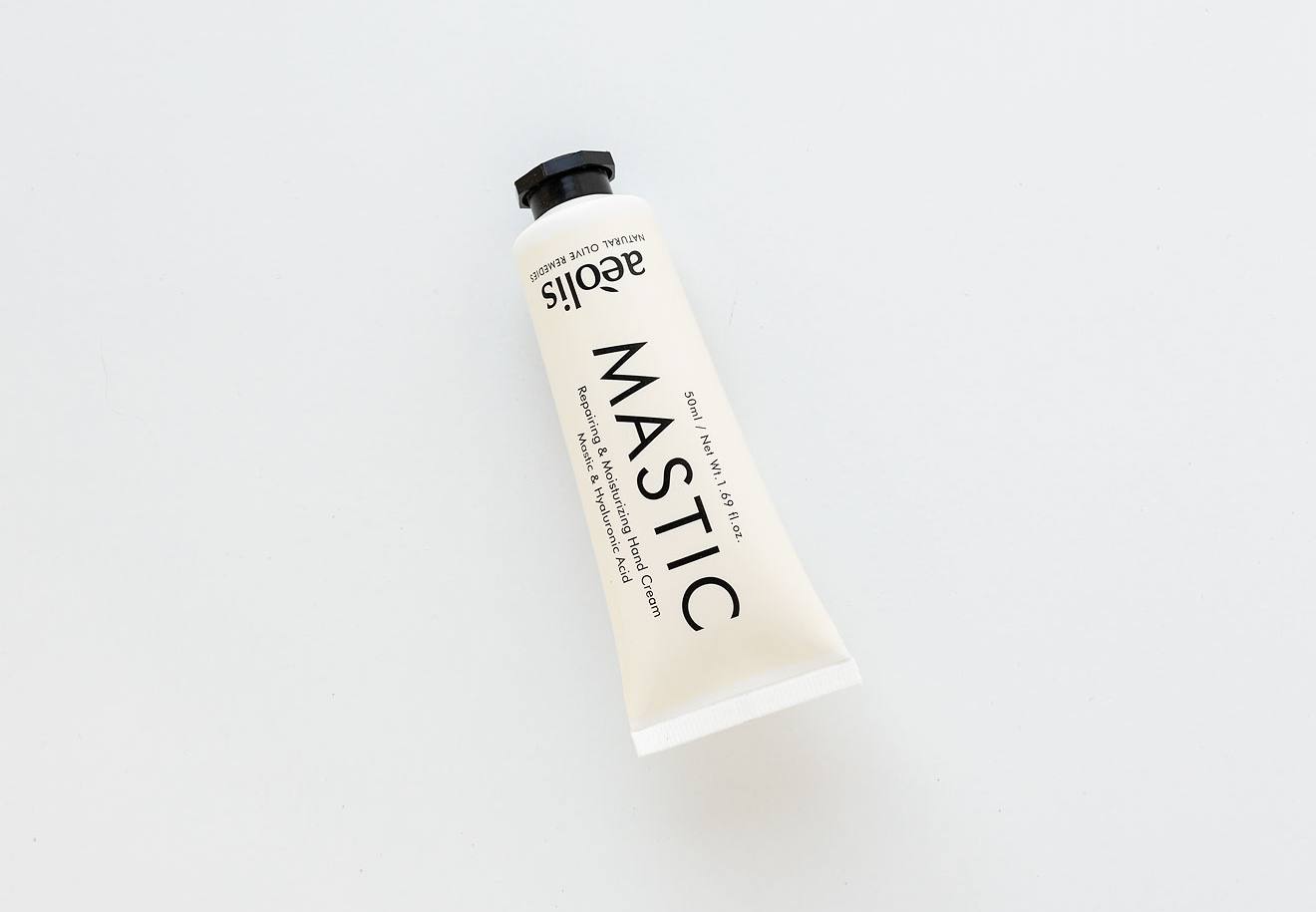
Mastic, also known as mastic gum, is a resin derived from the mastic tree, Pistacia lentiscus. This tree is native to the Mediterranean region, particularly the Greek island of Chios. Mastic has been used for centuries in traditional medicine for its numerous health benefits. In recent years, the skincare industry has also embraced this natural ingredient due to its potential benefits for the skin. Here are some ways mastic could benefit your skin:
Antioxidant Properties: Mastic contains a number of potent antioxidants, including triterpenes, which can help to protect the skin from oxidative stress and damage caused by environmental pollutants and UV radiation. Antioxidants neutralize harmful free radicals, which can lead to premature aging of the skin.
Anti-Inflammatory Effects: Mastic has been shown to have anti-inflammatory properties, which can help to reduce redness and swelling. This may be beneficial for individuals suffering from inflammatory skin conditions such as acne, rosacea, and psoriasis.
Antibacterial Activity: Mastic has been found to exhibit antibacterial activity against a wide range of bacteria, including those responsible for acne. By reducing the presence of these bacteria on the skin, mastic may help to prevent and treat acne breakouts.
Skin Hydration and Smoothing: Mastic can help to increase skin hydration by reducing transepidermal water loss. This can lead to smoother, softer skin and may also help to reduce the appearance of fine lines and wrinkles.
Wound Healing Properties: Mastic has also been shown to promote wound healing, which may be beneficial for individuals with damaged or irritated skin.
Potential Anti-Aging Effects: While more research is needed, some studies suggest that mastic could have anti-aging effects. Its antioxidant and anti-inflammatory properties, along with its ability to promote skin hydration, could potentially help to slow the aging process and keep skin looking youthful.
It's important to note that while mastic has potential benefits for the skin, individual results can vary. People with sensitive skin or allergies may also experience irritation or adverse reactions. As always, it's best to consult with a dermatologist or skincare professional before incorporating new ingredients into your skincare routine.
Overall, mastic is an exciting ingredient in skincare with a range of potential benefits. It's a testament to the power of natural ingredients and traditional medicine in promoting skin health and beauty. However, more research is needed to fully understand its effects and the best ways to use it in skincare.