Learn

Eco Cleaning in Japan and Korea

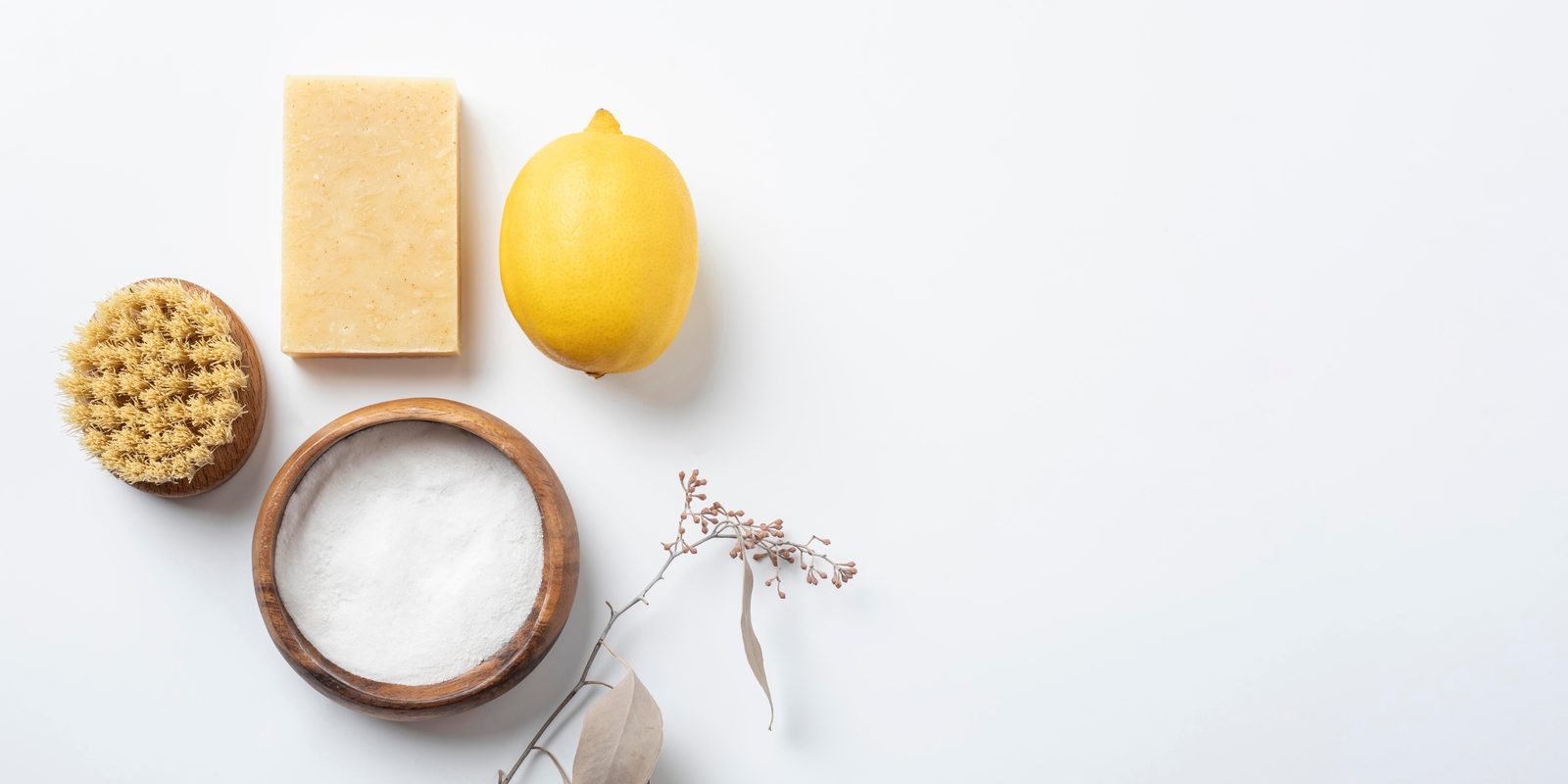
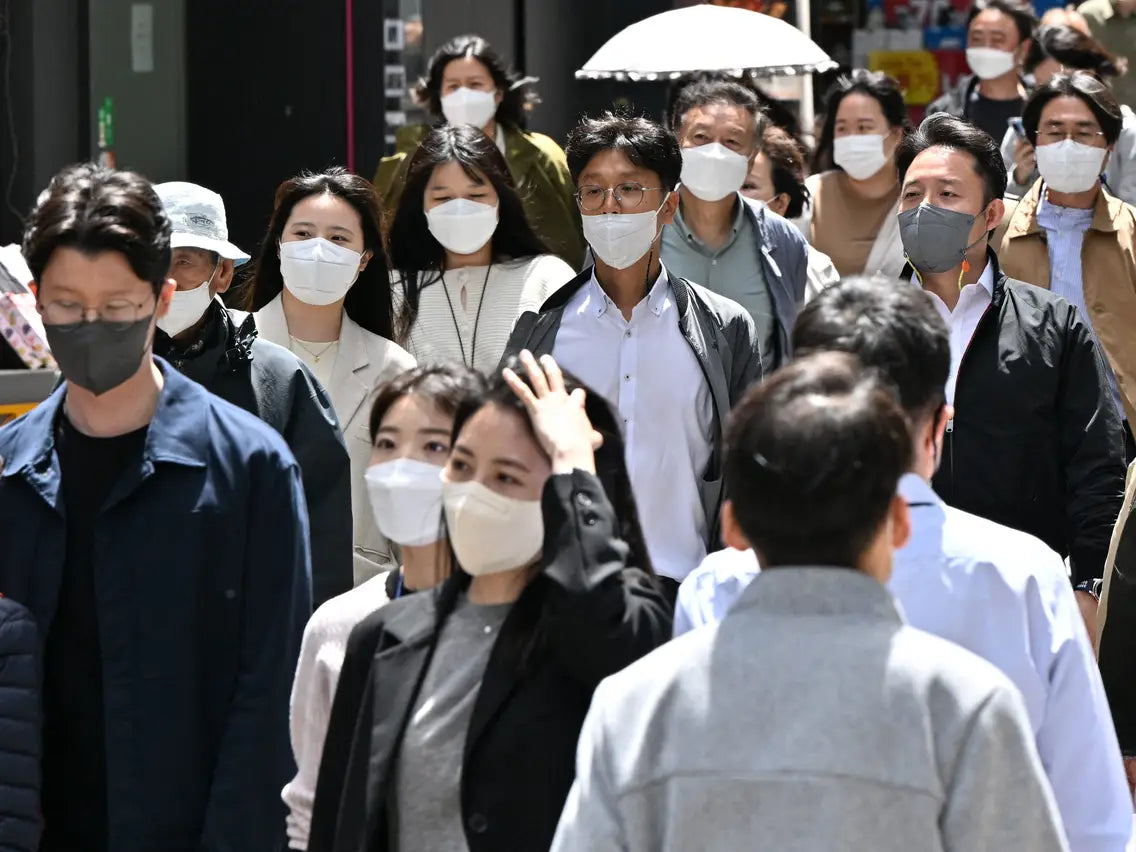
Eco-cleaning in Japan and Korea uses vinegar-based solutions, microfibre cloths, natural plant-based products, water-saving methods, and composting to reduce environmental impact while maintaining cleanliness. These practices reduce chemical exposure, save water, and divert organic waste from landfills. Professional Mo

Discipline
professional cleaning
Reading time
1 min
Sections
1
Reviewed by
Pico X Environmental Health
Eco Cleaning in Japan and Korea

Eco-cleaning in Japan and Korea uses vinegar-based solutions, microfibre cloths, natural plant-based products, water-saving methods, and composting to reduce environmental impact while maintaining cleanliness. These practices reduce chemical exposure, save water, and divert organic waste from landfills.

Professional Mould Removal & Eco Cleaning

Visit picoxmouldremoval.sg for research-grade mould remediation, eco-friendly professional cleaning, and surface protection — for homes, offices, and commercial facilities. From $288 with workmanship warranty.


Live — Singapore weather

Free humidity alerts & mould prevention tips — live

Know when your home is at risk before mould grows. Aira sends real-time alerts based on Singapore’s weather — rain or shine.

Weather-triggered alerts

Humidity risk scoring

Prevention tips, free

Via Telegram, instant

Get free alerts on Telegram → Find out more at Aira →

Free · no sign-up required · Powered by Aira environmental intelligence
All about antimicrobial coating

All about home cleaning

Scientific review

Written for Singapore's tropical indoor climate and checked by the Pico X environmental health team. 148 words · 1 minute read.

Questions

Eco Cleaning in Japan and Korea: common questions

What products and materials are used for eco-cleaning in Japan and Korea?

Eco-cleaning in Japan and Korea uses vinegar-based solutions and natural plant-based products. Microfibre cloths are also part of these cleaning practices.

How does eco-cleaning in Japan and Korea reduce chemical exposure?

Reduced chemical exposure is a benefit of eco-cleaning practices that include vinegar-based solutions and natural plant-based products. These practices aim to maintain cleanliness while reducing environmental impact.

Does eco-cleaning in Japan and Korea include water-saving methods?

Yes, water-saving methods are part of eco-cleaning in Japan and Korea. They help save water while maintaining cleanliness and reducing environmental impact.

What role does composting play in eco-cleaning in Japan and Korea?

Composting diverts organic waste from landfills. It is included among the eco-cleaning practices used in Japan and Korea to reduce environmental impact.

Next step

Tell us about your space.

Send a photo of the wall, ceiling or room that worries you. We will tell you what is happening and what it needs.