
-

Adoption of Antimicrobial Coating In The Hospitality Industry
-
Antimicrobial Coated Mattress For A Safe Night's Sleep
-
A safe way to improving indoor air quality and prevent mould at home.
-
Antimicrobial Coatings on Mattresses
-
Antimicrobial Coatings: A Revolution in Home and Commercial Space Hygiene
How to Get Rid of Dust Mites and Bed Bugs in Singapore: A Complete Guide
- 4 min reading time
Singapore's warm, humid climate is ideal breeding ground for both dust mites and bed bugs. Though often confused, they are very different organisms requiring different treatment approaches. This guide covers how to identify each, the health risks they pose, and the most effective elimination and prevention strategies for Singapore homes.
Dust Mites vs Bed Bugs: How to Tell Them Apart
Dust mites and bed bugs are frequently conflated, but they differ significantly in behaviour, visibility, and the health problems they cause:
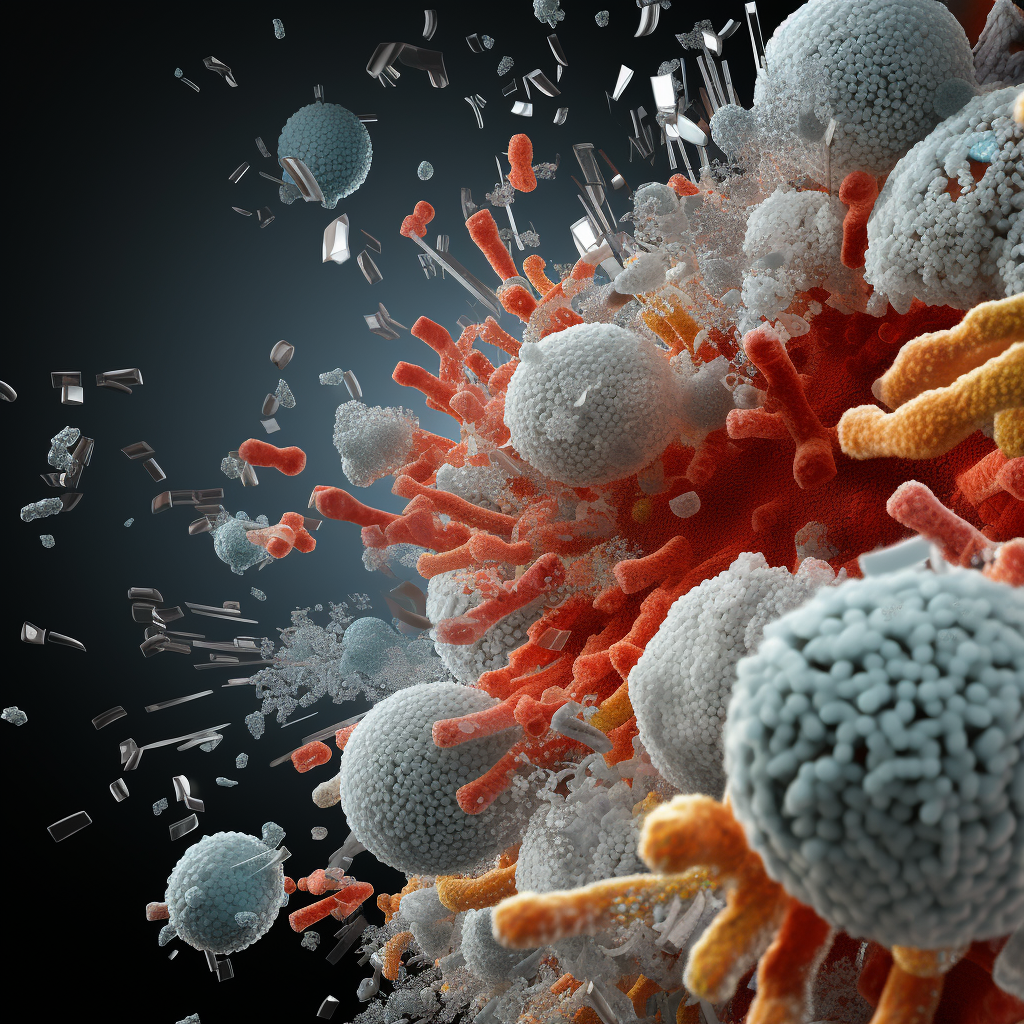
- Dust mites are microscopic (0.2–0.3mm) and invisible to the naked eye. They do not bite. Health problems come from inhaling their faeces and shed skin — potent allergens that trigger rhinitis, asthma, and eczema. They live in mattresses, pillows, carpets, and soft furnishings.
- Bed bugs are visible (4–5mm, apple seed-sized), reddish-brown, and flat. They bite during sleep, leaving itchy red welts. They hide in mattress seams, bed frames, behind skirting boards, and inside electrical sockets.
Signs of a Dust Mite Problem
Dust mites cannot be seen, so infestation is identified through symptoms and conditions:
- Persistent sneezing, runny nose, or nasal congestion — especially in the morning
- Worsening asthma symptoms at home, particularly at night
- Itchy, watery eyes or eczema flares that improve when away from home
- Humidity above 70% — dust mites cannot survive below 50% humidity, making dehumidification an effective control measure in Singapore
Signs of a Bed Bug Infestation
Bed bugs leave more obvious physical evidence:
- Itchy, red welts in a line or cluster — often on arms, neck, and legs
- Small rust-coloured bloodstains on bed sheets or pillowcases
- Dark brown or black faecal spots on mattress seams, behind headboards, or along skirting
- A sweet, musty odour in the bedroom — produced by bed bug scent glands at high infestation levels
- Shed exoskeletons — translucent husks left as bed bugs grow through their 5 nymphal stages
How to Eliminate Dust Mites
Dust mites cannot be fully eliminated, but their population can be reduced to levels that no longer trigger symptoms:
- Hot washing: Wash all bedding, pillowcases, and soft toys at 60°C or above. Below 55°C, dust mites survive.
- Encasements: Use dust mite-proof covers on mattresses and pillows — these create a physical barrier between you and the mites living inside.
- Dehumidification: Maintain indoor humidity below 55%. Dust mites cannot survive or reproduce below 50% RH. In Singapore, this typically requires a dehumidifier running in the bedroom.
- HEPA vacuuming: Vacuum mattresses, carpets, and fabric furniture weekly with a HEPA-filtered vacuum cleaner. Standard vacuums redistribute allergens back into the air.
- Replace carpets: Hard flooring dramatically reduces dust mite habitat. If carpet cannot be removed, vacuum at least twice weekly.
- Air purifier: A HEPA air purifier in the bedroom captures airborne dust mite allergens. Silver ion HEPA filters also kill any live particles captured.
How to Eliminate Bed Bugs
Bed bugs are one of the most difficult household pests to eliminate. They are resistant to many pesticides and can survive without feeding for months:
- Heat treatment: Professional heat treatment raises room temperature to 50°C+ for several hours — the most effective single-treatment method, killing all life stages including eggs.
- Mattress encasements: Encase infested mattresses and box springs immediately. Bed bugs trapped inside will starve within 12–18 months.
- Diatomaceous earth: Applied to cracks and crevices, this powder damages the waxy exoskeleton of bed bugs causing dehydration. Safe for humans and pets but effective over several weeks.
- Professional pesticide treatment: Multi-stage pesticide treatment by a licensed pest control operator — typically requires 2–3 visits. Always check for NEA licensing in Singapore.
- Declutter: Remove hiding spots — clutter, cardboard boxes, and excess items near the bed give bed bugs more places to shelter.
Prevention: Keeping Both Out of Your Singapore Home
Prevention is easier than elimination, particularly for bed bugs which can be introduced through luggage, second-hand furniture, or visitors:
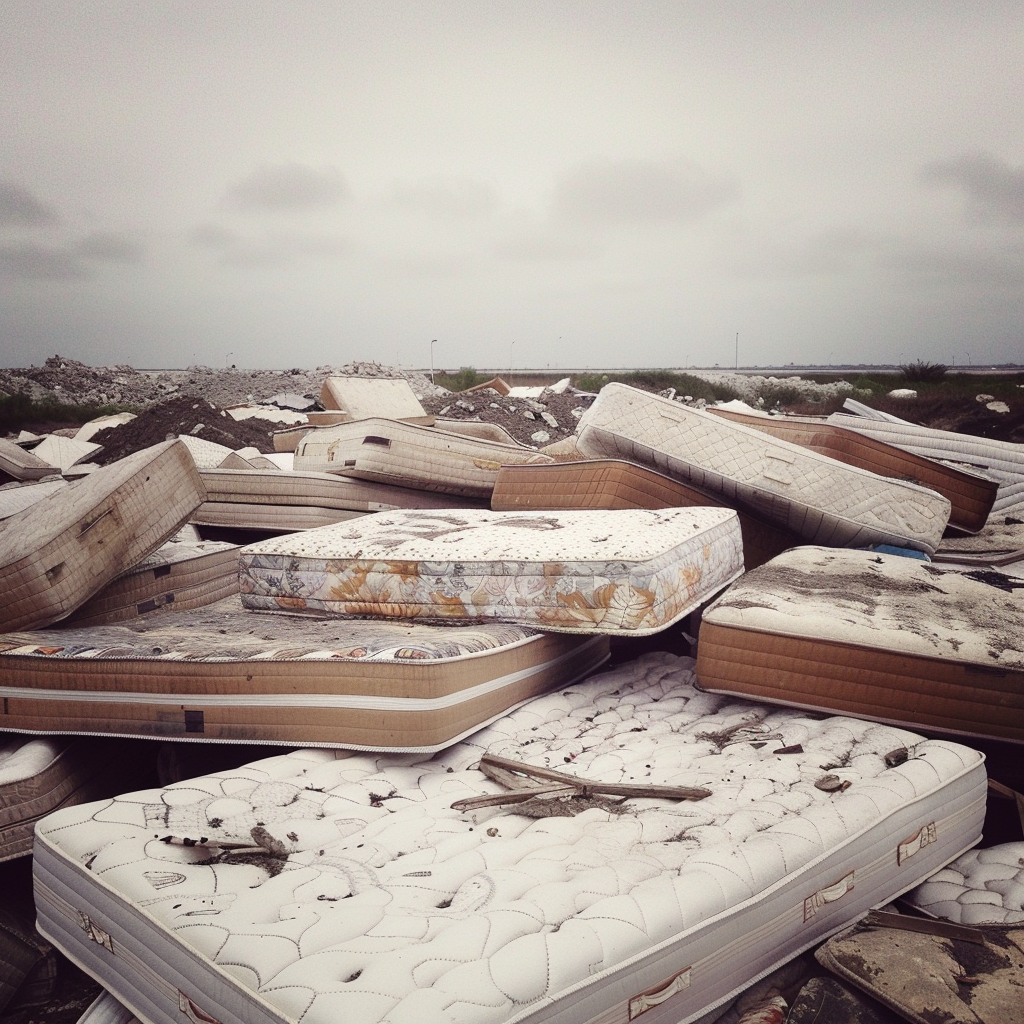
- Inspect second-hand mattresses, sofas, and bed frames carefully before bringing them home
- After hotel stays, inspect luggage and wash all clothing at 60°C before storing
- Use mattress encasements proactively — they prevent both dust mites and bed bugs from colonising your mattress
- Keep humidity below 60% year-round using air conditioning and dehumidification
- Apply antimicrobial coating to fabric surfaces — while not a pest control measure, it reduces the bacterial environment that attracts mites and reduces allergen-related symptoms
Professional Mould Removal and Home Hygiene Protection
For homes with persistent allergen and mould problems, visit picoxmouldremoval.sg for professional remediation and surface protection — from $288 with workmanship warranty.
Tags


-
Best Fabric Refresher 2023
-
Looking for the Best Cleaning Services in Singapore?
-
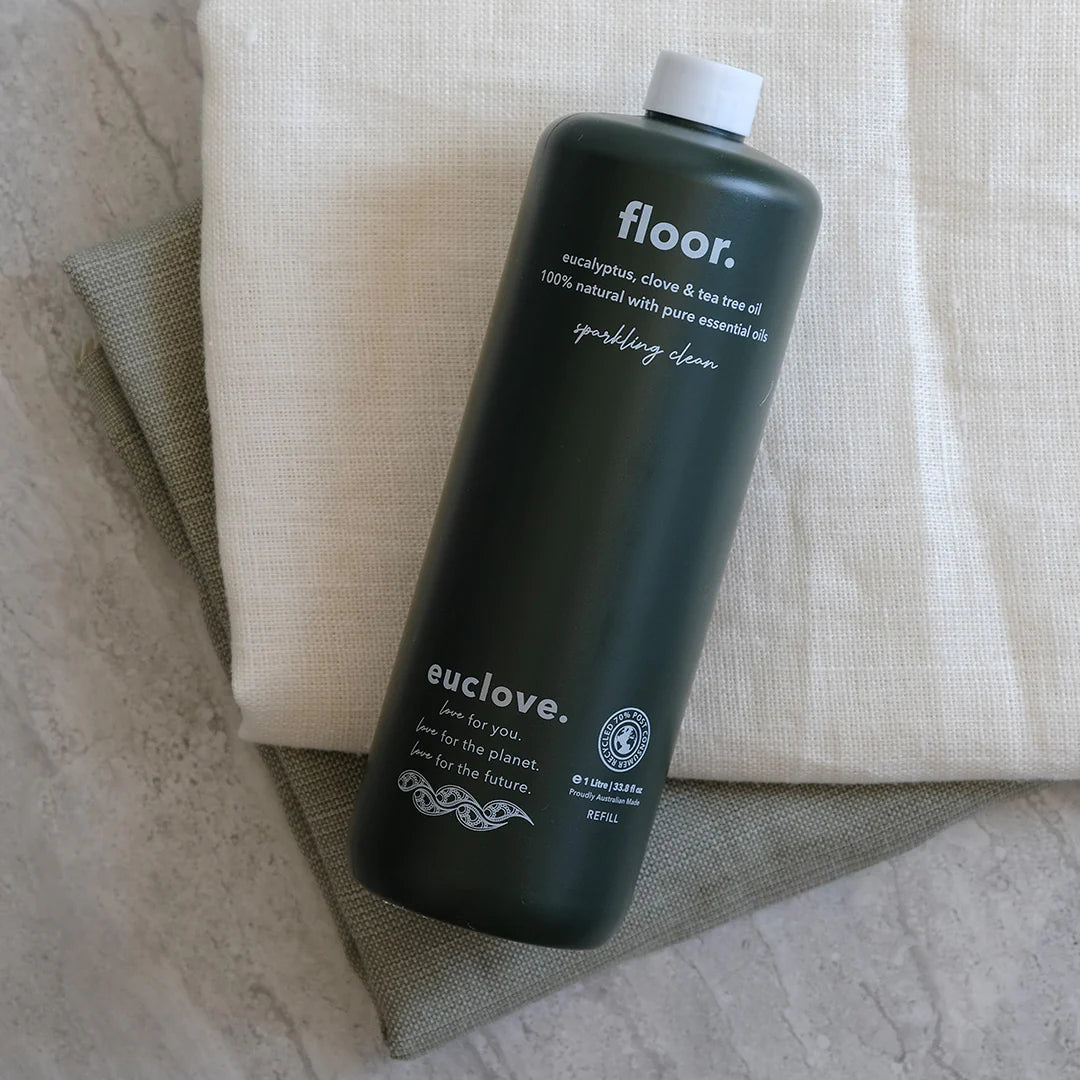
Benefits Of Essential oil Based floor cleaners - Eucalyptus, Clove and Tea Tree
-
Professional Cleaning Services in Singapore: What to Look For and What to Expect


Live — Singapore weather
Free humidity alerts &
mould prevention tips — live
Know when your home is at risk before mould grows. Aira sends real-time alerts based on Singapore’s weather — rain or shine.
Weather-triggered alerts
Humidity risk scoring
Prevention tips, free
Via Telegram, instant
Free · no sign-up required · Powered by Aira environmental intelligence