Learn

Indoor Air Quality & Children’s Health in Singapore

Children in Singapore spend over 90% of their time indoors. Their developing lungs and immune systems make them highly vulnerable to poor indoor air quality (IAQ).

Discipline
mold and fungi
Reading time
1 min
Sections
6
Reviewed by
Pico X Environmental Health
Indoor Air Quality & Children’s Health in Singapore

Evidence-based insights for families with young children (Ages 0–10)

Indoor Air Quality & Children’s Health in Singapore: Evidence-based insights for families with young children (Ages 0–10)

Why It Matters

Children in Singapore spend over 90% of their time indoors. Their developing lungs and immune systems make them highly vulnerable to poor indoor air quality (IAQ).


Key Indoor Pollutants in Singapore Homes

VOCs — From paints, adhesives, air fresheners, furniture. Cause respiratory irritation, allergies, headaches.

Formaldehyde — From renovation materials, plywood, laminates. Triggers asthma, eye/throat irritation, cancer risk.

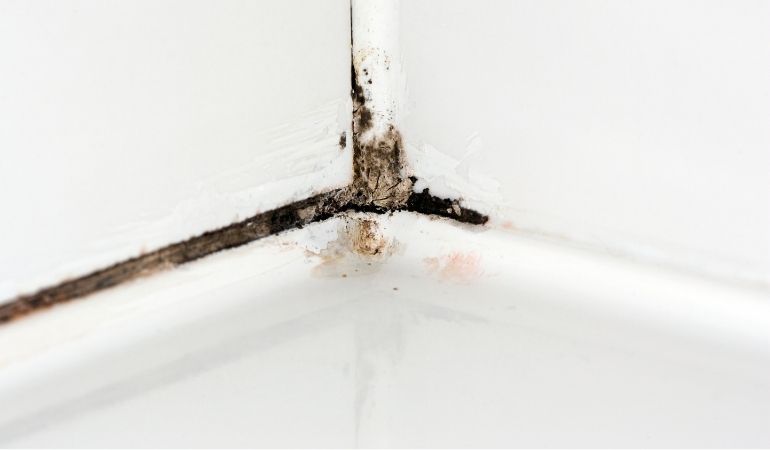
Mould — From humid bathrooms, ceilings, poor ventilation. Causes asthma, allergic rhinitis, eczema flare-ups.

  • Humidity in SG homes often exceeds 80%, creating ideal conditions for mould growth

Health Impacts on Children (Ages 0–10)

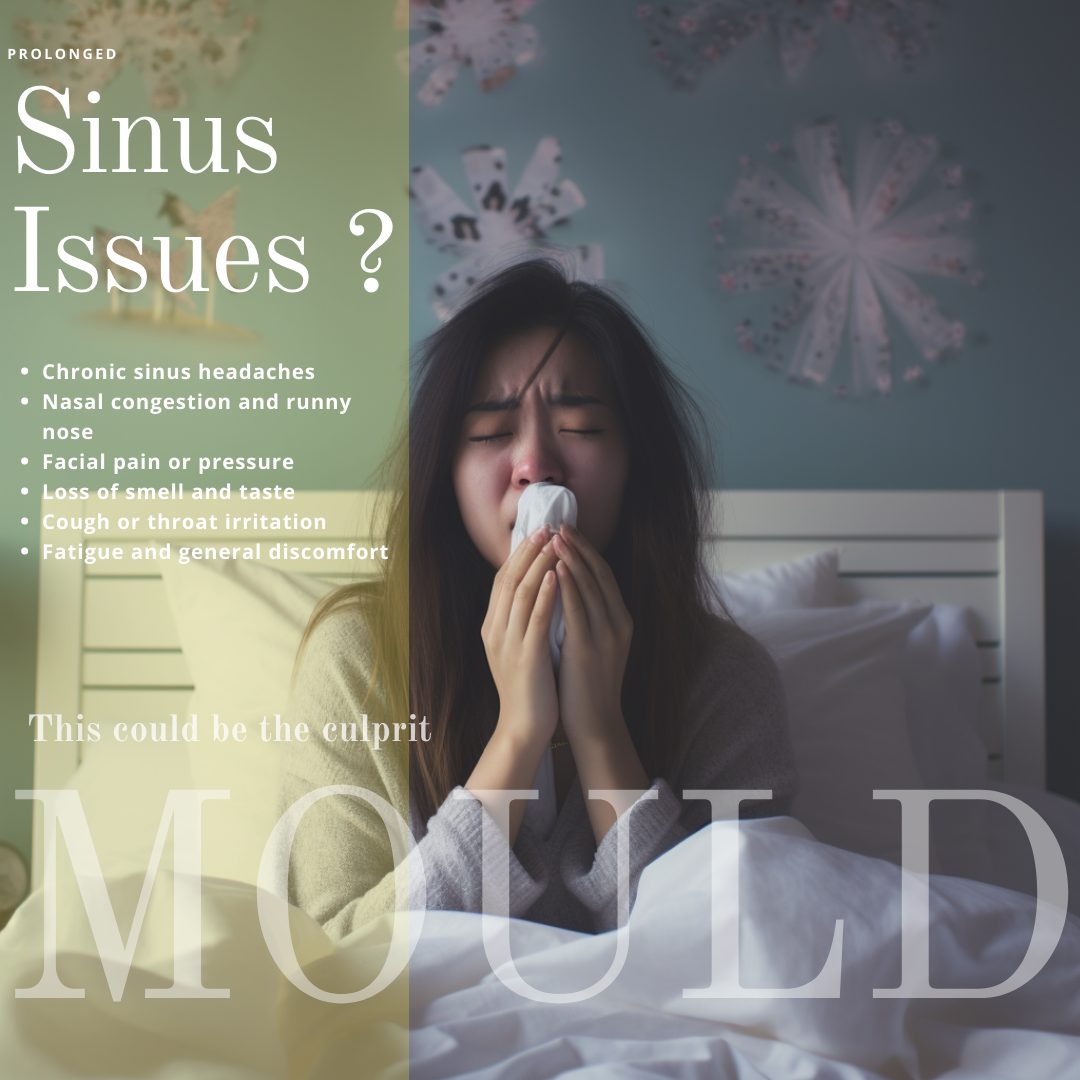
Respiratory — Increased asthma, wheezing, bronchitis, chronic cough

Immune System — Higher sensitivity to allergens, increased infections

Cognitive — Lower concentration, poorer sleep, reduced school performance

In Singapore, 1 in 5 children has asthma. Many suffer allergic symptoms from indoor triggers like mould and dust mites.


Local Expert & Government Recommendations

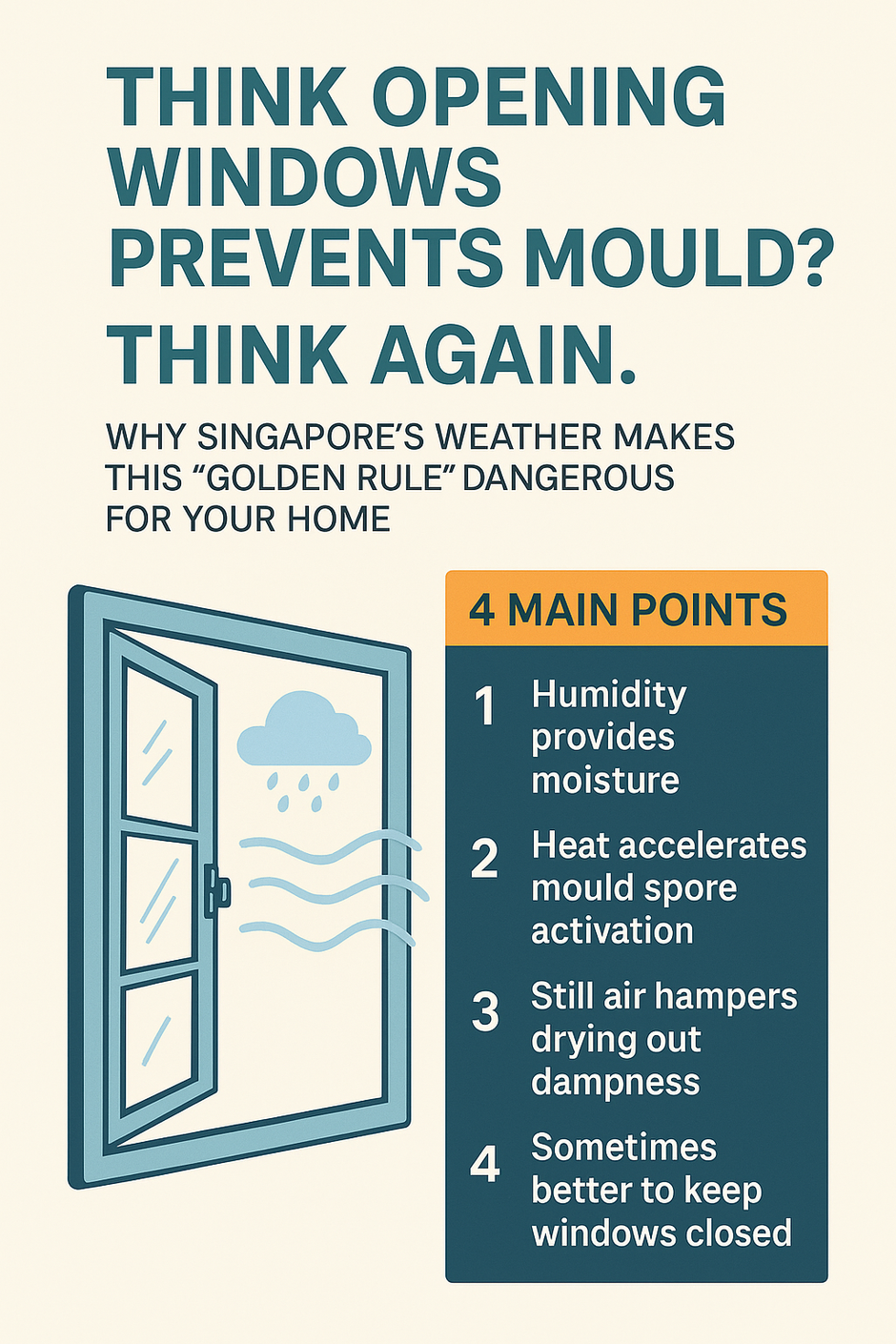
  1. Ventilate Daily – even 10–15 mins helps
  2. Use Low-VOC Paints – SG will ban formaldehyde in interior paint by 2026
  3. Dehumidify Regularly – especially bedrooms & bathrooms
  4. Use HEPA + Carbon Air Purifiers – for PM2.5 and VOC removal
  5. Clean AC filters & dust-prone surfaces – reduce allergens

What This Means for Parents

  • Good IAQ helps reduce asthma, eczema flare-ups, sick days & learning difficulties
  • Clean air in early years = stronger immunity, better cognitive development
  • Healthier home = fewer doctor visits, better sleep, and happier kids

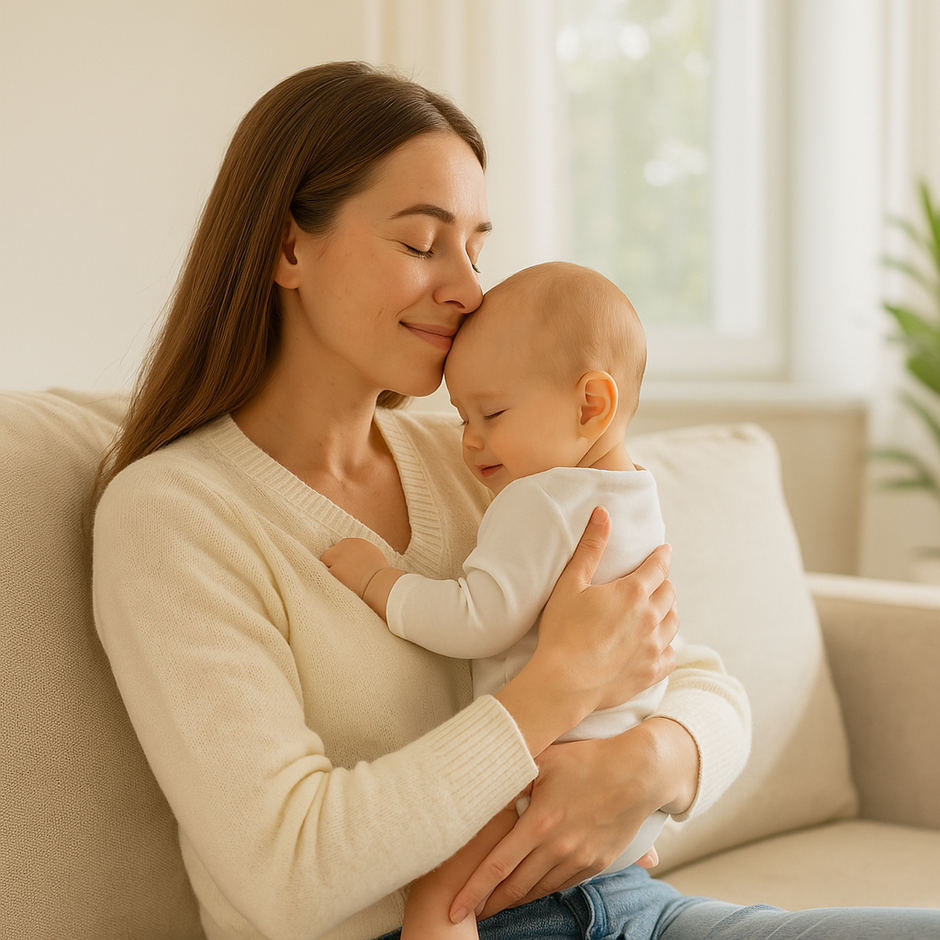
A mould-free, VOC-safe, and ventilated baby room isn't a luxury — it's a long-term health investment.

Worried About Mould in Your Child's Room?

Get a professional assessment from Pico X Mould Removal — eco-friendly, child-safe treatments from $199.

For continuous air quality monitoring, see Aira.
WhatsApp us to find out which you need

Scientific review

Written for Singapore's tropical indoor climate and checked by the Pico X environmental health team. 324 words · 1 minute read.

Questions

Indoor Air Quality & Children’s Health in Singapore: common questions

How does poor indoor air quality affect children’s health in Singapore?

Children in Singapore spend over 90% of their time indoors, and their developing lungs and immune systems make them highly vulnerable to poor indoor air quality. Health impacts include asthma, wheezing, chronic cough, poorer sleep and lower concentration.

What are the key indoor pollutants in Singapore homes?

VOCs come from paints, adhesives, air fresheners and furniture, while formaldehyde comes from renovation materials, plywood and laminates. Mould is another key indoor pollutant, found in humid bathrooms, on ceilings and in poorly ventilated spaces.

Why is mould a concern in children’s rooms in Singapore?

Humidity in Singapore homes often exceeds 80%, creating ideal conditions for mould growth. Mould can cause asthma, allergic rhinitis and eczema flare-ups, making it a concern for children’s health.

How can parents improve indoor air quality for children at home?

Ventilate daily, use low-VOC paints and dehumidify regularly, especially bedrooms and bathrooms. Use HEPA + Carbon Air Purifiers for PM2.5 and VOC removal, and clean AC filters and dust-prone surfaces to reduce allergens.

Next step

Tell us about your space.

Send a photo of the wall, ceiling or room that worries you. We will tell you what is happening and what it needs.