
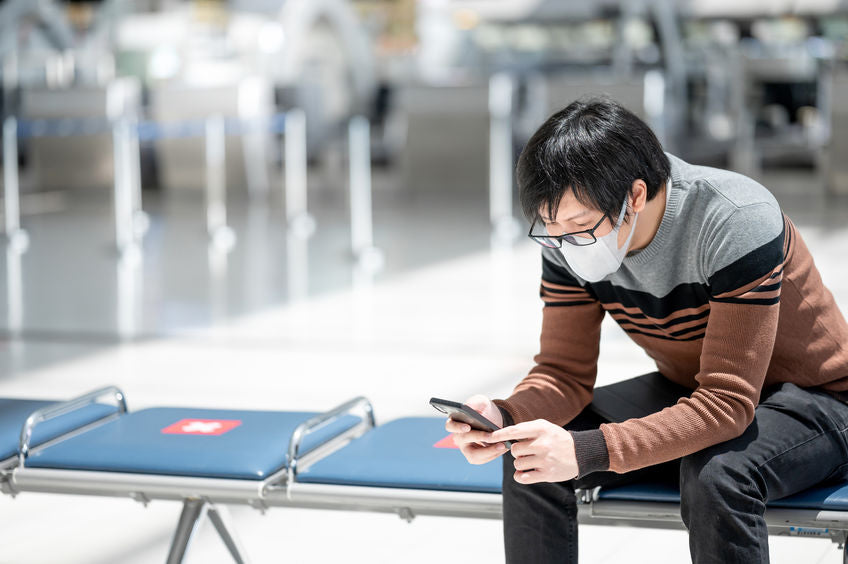
Most countries around the world swiftly imposed lockdowns as a last resort to mitigate the exponentially increasing rates of coronavirus infections. COVID-19 is transmitted through fomites and aerosol particles, increasing the risk of infection.
Governments’ mandatory self-isolation was the best course of action to contain the spread, though restricting mobility significantly affected people’s wellbeing. Mental health was one of the key challenges of lockdown because every aspect of human life changed.
After a steady decline in infection rate, governments slowly eased lockdown regulations. As people conjured the courage to get by through observing social distancing, hygiene practices, and wearing face masks, they slowly returned to work.
The news of coronavirus vaccination boosted people’s confidence and embraced hope that normalcy could be achieved sooner than later.
Nevertheless, it is prudent that we continue practicing recommended health practices while waiting for high vaccination rates, as the virus continues to mutate.
This article explores some of the things we should do as individuals to live a normal life, and also discusses some pointers that corporates could do to mitigate risk of being a cluster starter.
Surfaces and something in the air
Research has revealed that SARS-COV2 can live on surfaces for 2 to 9 days, depending on surface type, relative humidity, temperature, and the strain of the virus. Focusing on where the virus thrives and finding strategies to make that environment inhospitable may be our greatest weapon for reducing infection risk.
Ventilate that toilet
The virus has been confirmed to linger in stool of half of Covid-19 patients, even after it clears from their lungs. Toilets should be redesigned to allow adequate air ventilation or purification, and surfaces should have antimicrobial protection beside the usual cleaning regime.
Don’t forget your mask and clean pair of hands
Frequent hand-hygiene, wiping down frequently touched surfaces, and community use of masks are considered good health practices that mitigate the risk of infection. Intensive hand hygiene involving soap and water for 40-60 seconds is recommended.
Work on all the surfaces around you
The use of antimicrobial coating or film on high touch areas not only enhances and complements regular cleaning, it acts as 24x7 protection on surfaces against viruses and bacteria. High touch areas include door handles, touch screens, and toilet doors.
Boost your immune system
Maintaining regular physical exercise helps deal with post-quarantine depressive symptoms. Research has shown that involvement in physical exercise and reducing screen time would reduce post-lockdown depression symptoms.
Role of corporate in mitigating infection
Corporate has a significant role in helping employees and customers transition into normalcy while preventing COVID-19 infections. Management should improve levels of hygiene in workstations through surface coating, regular cleaning, and constant air purification.
Organizations should stock soap, hand sanitizers, face masks, and disinfectant wipes. Using silver or copper ion-based antimicrobial coating on high touch areas, pantries, toilets, and meeting rooms prevents bacteria and viruses from surviving.
Employers should ensure office and workspaces are well ventilated to reduce the risk of airborne transmission. Confined spaces with poor ventilation are high risk factors for COVID-19.
Vaccination and PPE
Creating awareness on the importance of vaccination and establishing guidelines on proper use of PPEs will help create a supportive work environment. Encouraging wearing of masks and gloves for those handling money, doors, and frequently touched products will help minimize transmission.
Family Support
Management teams and corporates should be sensitive to employees living with or caring for family members infected or recovering from COVID-19, and create appropriate support plans.
Changes to operations
Consider planning hybrid work-from-home and office approaches. Allow management teams to integrate both remote working and on-site so that employees could be productive irrespective of where they work from.
The role of vaccination in bringing normalcy
News of COVID-19 vaccines has been a rare light in one of the darkest tunnels humanity has gone through. While not the silver bullet, results have shown vaccination is the best solution available. Coupling vaccination with non-pharmaceutical intervention will mitigate the risk of infection.
We are fighting with nature — we must be prepared for the prolonged fight against Covid-19 and do more than just rely on vaccines to protect us and future generations.
Protect Your Space with Shield23 Pro
Visit shield23pro.com for professional antimicrobial coating for homes, offices, childcare centres, and commercial facilities. NEA-listed, lab-validated.