The Relationship Between Booklice and Mould & How to Get Rid of Them
Understanding the Link Between Booklice and Mould
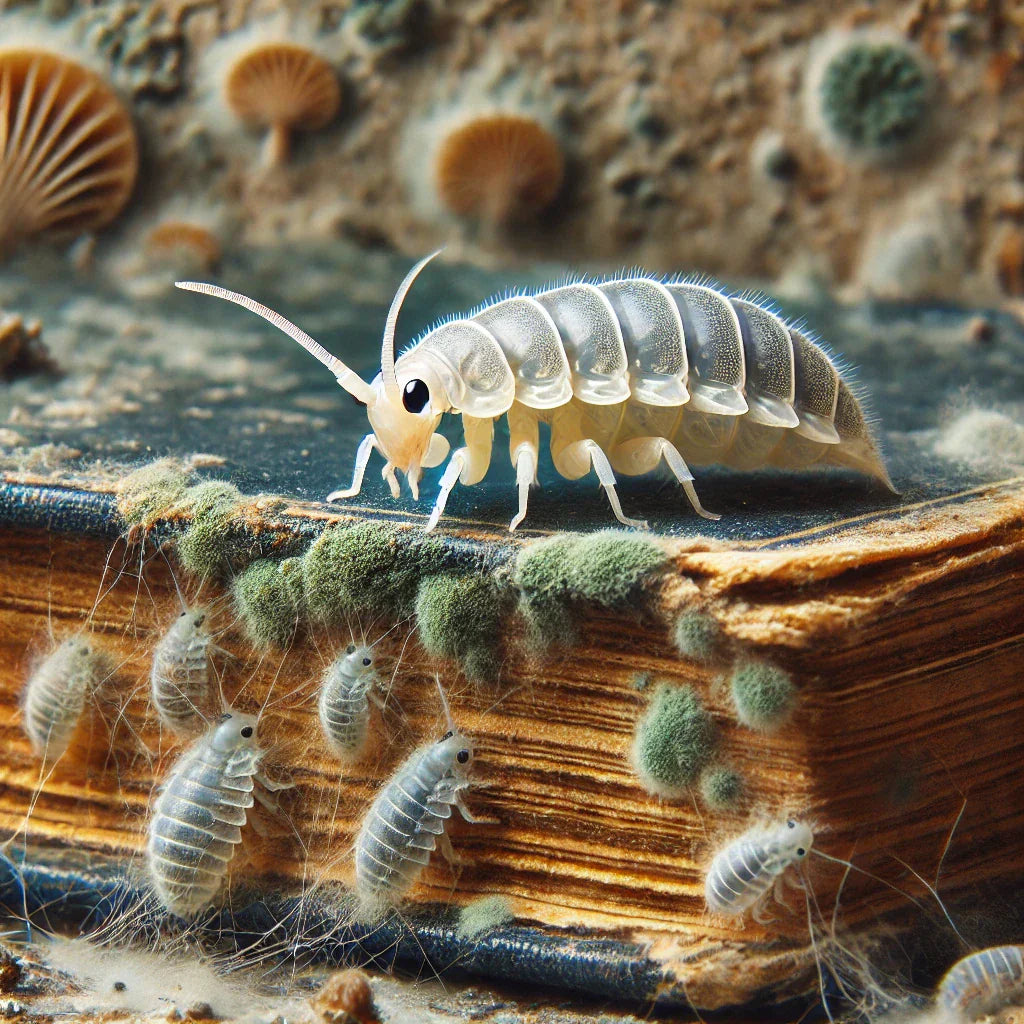
Booklice (Psocids) are tiny insects that thrive in damp, humid environments. While they do not bite or cause harm to humans, their presence often signals an underlying moisture problem. The key reason booklice infest homes is their diet—they primarily feed on mould spores and fungi that develop on organic materials, such as books, wallpaper, wooden surfaces, and even ceilings.
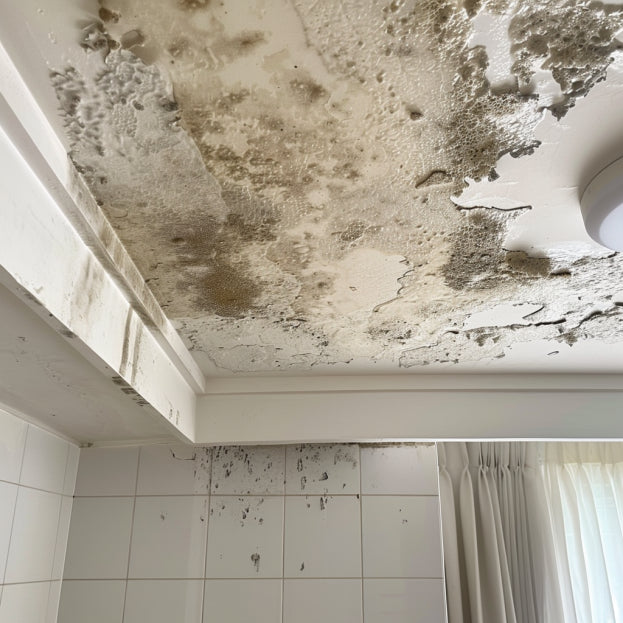
Mould forms in areas with excess moisture, such as poorly ventilated rooms, bathrooms, or spaces affected by condensation and water seepage. When mould grows, it provides an abundant food source for booklice, leading to infestations. If left untreated, both mould and booklice can spread rapidly, worsening indoor air quality and damaging household items.
How to Get Rid of Booklice and Mould
To eliminate booklice effectively, you must first remove their food source—mould. Here's a step-by-step guide to tackling both problems:
1. Identify the Source of Moisture
- Check for areas with high humidity (above 60%) using a hygrometer.
- Inspect walls, ceilings, and wooden furniture for signs of mould or water seepage.
- Pay attention to bathrooms, kitchens, closets, and poorly ventilated rooms, as these are common breeding grounds.
2. Eliminate Mould Growth
To break the cycle of booklice infestation, mould removal is essential. Follow these steps:
Surface Cleaning & Mould Removal:
- For light mould: Use a white vinegar or diluted hydrogen peroxide solution to wipe affected surfaces.
- For severe mould infestations: Consider professional mould removal services in Singapore, which offer long-term mould protection solutions.
- Avoid bleach for porous surfaces, as it does not kill mould roots embedded in materials.
Apply Anti-Mould Coating:
- Use an antimicrobial or anti-mould sealant on walls and ceilings to prevent regrowth.
- Shield23 Pro antimicrobial coating is a sustainable antimicrobial solution that provides long-term mould resistance, making it an ideal treatment for homes with recurring mould issues.
3. Remove Booklice Effectively
Once mould is addressed, booklice populations will decline. However, additional measures help to remove them faster:
Lower Humidity
- Use a dehumidifier to keep indoor humidity between 40-50%.
- Increase ventilation by opening windows or using exhaust fans in bathrooms and kitchens.
Dry Out Affected Areas
- Place silica gel packets or moisture absorbers in wardrobes and bookshelves.
- Sun-dry books, documents, and wooden furniture if possible.
Vacuum & Dispose of Infested Items
- Use a vacuum cleaner with a HEPA filter to remove booklice from shelves, walls, and hidden corners.
- If books or furniture are heavily infested, consider freezing them for 24 hours or disposing of irreparable items.
Use Safe Insecticides (if necessary)
- Diatomaceous earth (DE) is a natural, non-toxic powder that dehydrates booklice on contact.
- Pyrethrin-based sprays can be used as a last resort but should be applied with caution in homes with pets or children.
4. Prevent Future Infestations
Maintain Low Humidity Levels: Regularly use dehumidifiers and air conditioners.
Improve Airflow: Keep windows open and use ventilation fans.
Regular Cleaning: Dust and vacuum to remove mould spores and food particles.
Apply Protective Coatings: Consider mould prevention coatings for long-term protection against both mould and booklice.
By tackling both mould and excess humidity, you can effectively eliminate booklice infestations and prevent them from coming back. If your home continues to have persistent mould issues, professional assessment and waterproofing solutions may be needed to address deeper moisture problems.
Mould Removal & Prevention in Singapore
Already have mould? Removal and antimicrobial coating for HDB flats, BTOs and condos — Essential Care from $199, full unit from $1,068.
No mould yet? Whole-home antimould ceiling coating, from $499.