Antimicrobial coatings are a type of surface treatment that is designed to kill or prevent the growth of microorganisms, such as bacteria and fungi, on the surface where the coating is applied. These coatings can be applied to a wide range of materials, including metals, plastics, and other common materials found in buildings and infrastructure.
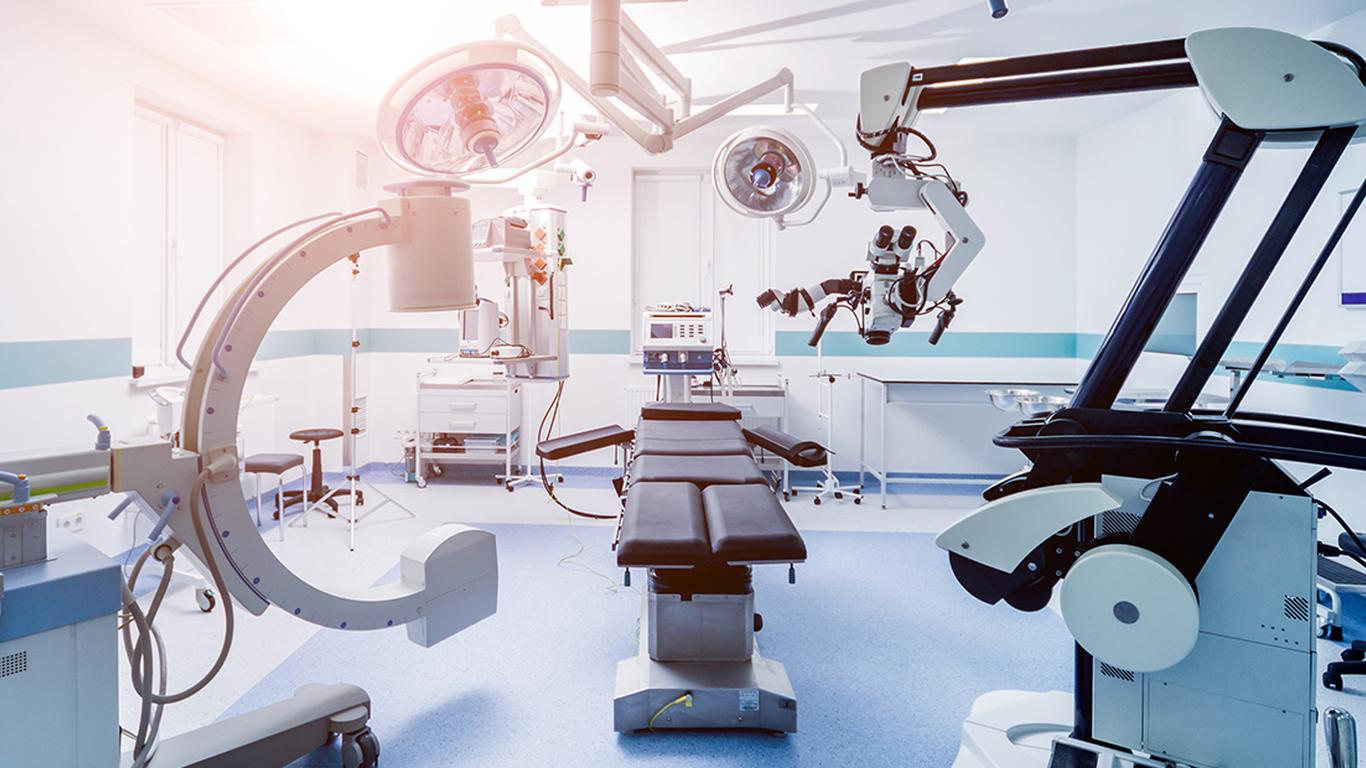
In a medical facility setting, antimicrobial coatings can be a useful tool for reducing the spread of infectious diseases. By applying the coating to high-touch surfaces, such as doorknobs, handrails, and countertops, it is possible to reduce the number of microorganisms on these surfaces, which can help to reduce the risk of infection among patients and staff. This is particularly important in settings such as hospitals and nursing homes, where there is a higher risk of infectious diseases spreading.
One of the key benefits of antimicrobial coatings is that they can provide long-lasting protection against microorganisms. Unlike traditional cleaning and disinfection methods, which need to be repeated regularly, antimicrobial coatings can continue to kill or prevent the growth of microorganisms for extended periods of time. This means that they can provide ongoing protection against infection, even in situations where regular cleaning and disinfection may not be possible or practical.
Despite their potential benefits, it's important to note that antimicrobial coatings are not a substitute for proper hand hygiene and other infection control measures. However, antimicrobial coatings can be an important addition to a comprehensive infection prevention program, helping to further reduce the risk of healthcare-associated infections (HAIs).
Protect Your Space with Shield23 Pro
Visit shield23pro.com for professional antimicrobial coating for homes, offices, childcare centres, and commercial facilities. NEA-listed, lab-validated.
Live — Singapore weather
Free humidity alerts & mould prevention tips — live
Know when your home is at risk before mould grows. Aira sends real-time alerts based on Singapore’s weather — rain or shine.
Weather-triggered alerts
Humidity risk scoring
Prevention tips, free
Via Telegram, instant
Get free alerts on Telegram → Find out more at Aira →
Free · no sign-up required · Powered by Aira environmental intelligence