Learn

How regular disinfecting could reduce sickness in children

Disinfecting your home can help to reduce sickness in children by preventing the spread of germs and illness. Children are more susceptible to getting sick because their immune systems are still developing and they are often in close contact with other children, who can easily transmit germs. To effectively disinfect y

Discipline
disinfecting
Reading time
2 min
Sections
1
Reviewed by
Pico X Environmental Health
How regular disinfecting could reduce sickness in children

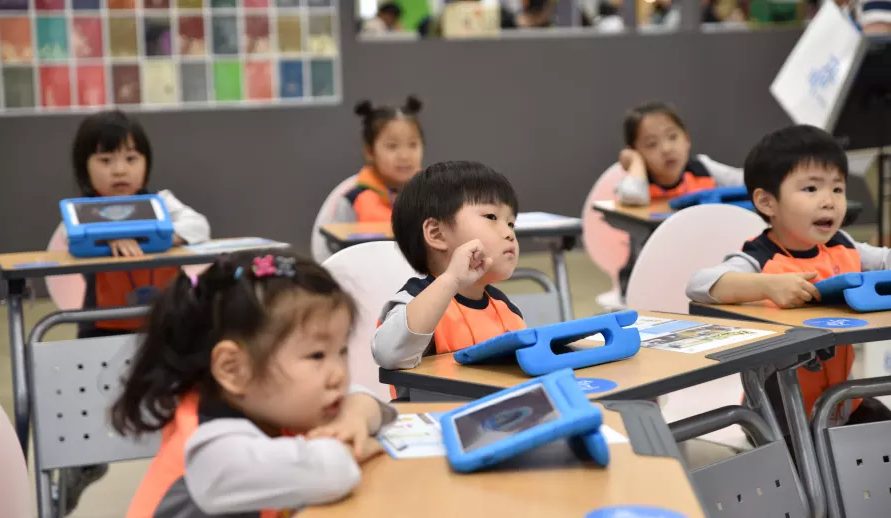
Disinfecting your home can help to reduce sickness in children by preventing the spread of germs and illness. Children are more susceptible to getting sick because their immune systems are still developing and they are often in close contact with other children, who can easily transmit germs.

To effectively disinfect your home and reduce the risk of illness in children, it is important to regularly clean surfaces to remove dirt and debris. This will help to ensure that the disinfectant can effectively kill any germs that may be present. It is also important to use disinfectants according to the instructions on the label and to follow safety guidelines to prevent accidental exposure or harm.

In addition to regularly disinfecting high-touch surfaces such as doorknobs, light switches, and countertops, it is also important to pay attention to other areas of your home where children spend a lot of time. This can include their toys, which can harbor germs if not properly cleaned and disinfected. It is also important to regularly clean and disinfect areas such as bathrooms and kitchens, where germs are commonly found.

Another important aspect of reducing sickness in children is to teach them good hygiene habits. This can include washing their hands regularly with soap and water, covering their mouth and nose when sneezing or coughing, and avoiding touching their face. By teaching children these habits, you can help to prevent the spread of germs and reduce their risk of getting sick.

Overall, disinfecting your home can help to reduce sickness in children by preventing the spread of germs and illness. By regularly cleaning and disinfecting your home and teaching children good hygiene habits, you can help to protect them from getting sick.


Live — Singapore weather

Free humidity alerts & mould prevention tips — live

Know when your home is at risk before mould grows. Aira sends real-time alerts based on Singapore’s weather — rain or shine.

Weather-triggered alerts

Humidity risk scoring

Prevention tips, free

Via Telegram, instant

Get free alerts on Telegram → Find out more at Aira →

Free · no sign-up required · Powered by Aira environmental intelligence
All about antimicrobial coating

All about home cleaning

Scientific review

Written for Singapore's tropical indoor climate and checked by the Pico X environmental health team. 366 words · 2 minute read.

Questions

How regular disinfecting could reduce sickness in children: common questions

Can regularly disinfecting your home help reduce sickness in children?

Disinfecting your home can help to reduce sickness in children by preventing the spread of germs and illness. Children are more susceptible because their immune systems are still developing and close contact with other children can spread germs.

How should you clean surfaces before disinfecting your home?

Clean surfaces to remove dirt and debris so the disinfectant can effectively kill germs that may be present. Use disinfectants according to the instructions on the label and follow safety guidelines to prevent accidental exposure or harm.

Which areas of the home should you disinfect to help protect children?

Regularly clean and disinfect high-touch surfaces such as doorknobs, light switches, and countertops. Pay attention to children's toys and areas where they spend time, as well as bathrooms and kitchens, where germs are commonly found.

What hygiene habits can help reduce children's risk of getting sick?

Teach children to wash their hands regularly with soap and water, cover their mouth and nose when sneezing or coughing, and avoid touching their face. These habits can help prevent the spread of germs and reduce their risk of getting sick.

Next step

Tell us about your space.

Send a photo of the wall, ceiling or room that worries you. We will tell you what is happening and what it needs.