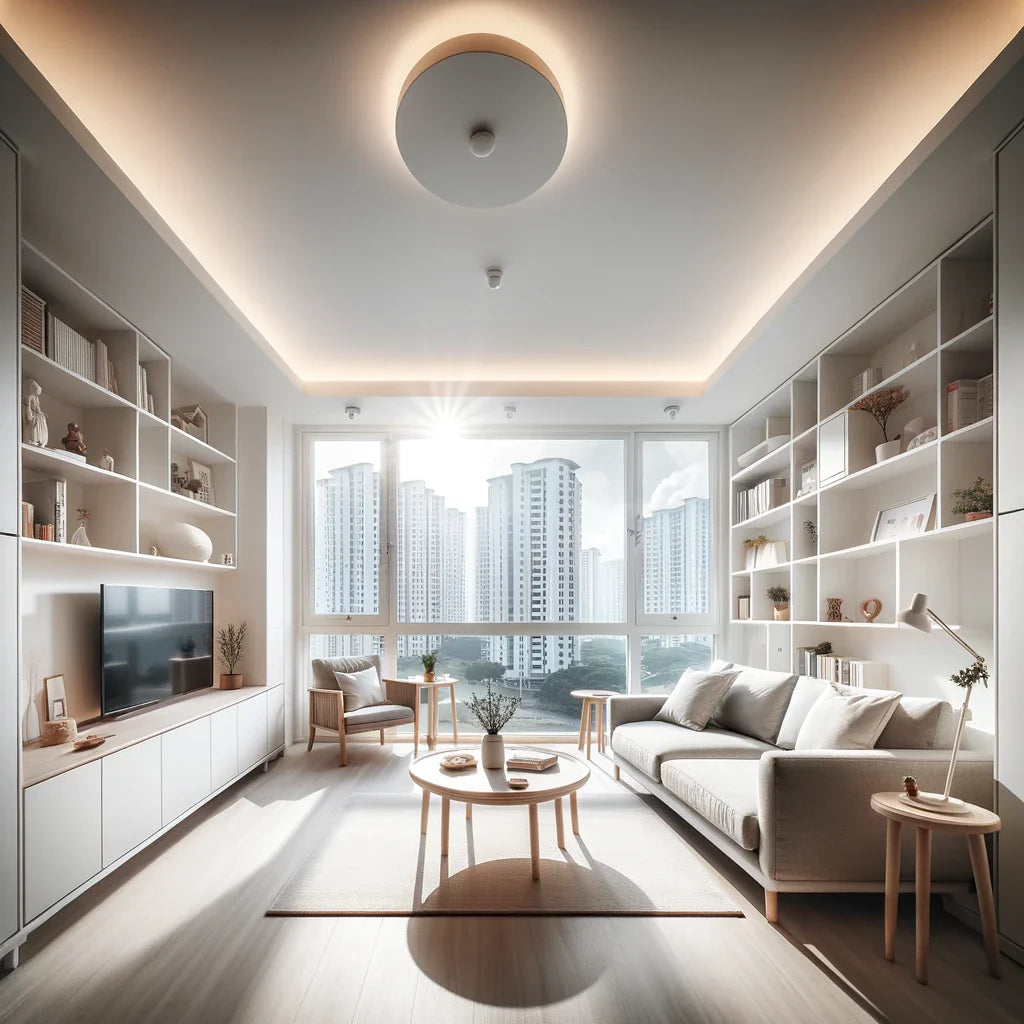

In Singapore's humid and rainy climate, proper ventilation is essential to prevent mould growth. Here's a Singapore-specific approach to managing ventilation during rainy days:
1. Use Exhaust Fans in High-Humidity Areas
- HDB Flats & Condos: Turn on exhaust fans in the bathroom and kitchen to remove excess humidity, especially after cooking or showering. This is crucial in compact spaces where moisture can build up quickly.
- Ensure exhaust fans are directed outdoors rather than recirculating air indoors.
2. Open Windows Strategically
- Partially open windows in sheltered areas, such as those facing corridors or under balconies, to allow ventilation without letting rain in.
- In HDB units, consider opening windows in utility areas or kitchens where airflow is needed.
3. Use Dehumidifiers
- In Singapore's consistently high humidity (70-90%), a dehumidifier is one of the most effective tools. Place them in areas prone to dampness, such as bedrooms, closets, and storerooms.
4. Cross-Ventilation
- Singapore homes often have a "stack effect" in which air moves naturally from lower to upper floors. Use this to your advantage by opening windows on opposite ends of the unit to create cross-ventilation.
- For homes with enclosed spaces (e.g., newer condos), use standing or ceiling fans to keep air circulating.
5. Avoid Drying Laundry Indoors
- Drying clothes indoors during rainy days increases indoor humidity. Use a dryer with proper ventilation or dry clothes in a sheltered balcony with good airflow.
- Consider dehumidifiers or fans in the laundry area to prevent moisture build-up.
6. Reduce Air Conditioner Moisture
- Run your air conditioner on "dry mode" during and after rain to reduce indoor humidity levels.
- Clean your air conditioner filters regularly, as clogged filters can contribute to poor air circulation and mould growth.
7. Use Moisture-Absorbing Materials
- Place charcoal, silica gel, or commercially available moisture absorbers in wardrobes, storerooms, and enclosed spaces to control dampness.
- Consider anti-mould coatings or liners for cabinets and storage areas.
8. Keep Doors Open
- Open doors to bedrooms, bathrooms, and storerooms to ensure air flows freely, especially in small Singapore apartments where airflow can be restricted.
9. Sheltered Balconies or Yards
- If you have a balcony or yard with windows, keep them slightly ajar to let in fresh air while minimizing rain entry. Install rain-resistant louvres or shutters for added protection.
10. Regular Maintenance
- Check for leaks: In Singapore's rainy climate, water seepage from ceilings or windows is common. Inspect your home for leaks, especially in older HDB flats or landed properties.
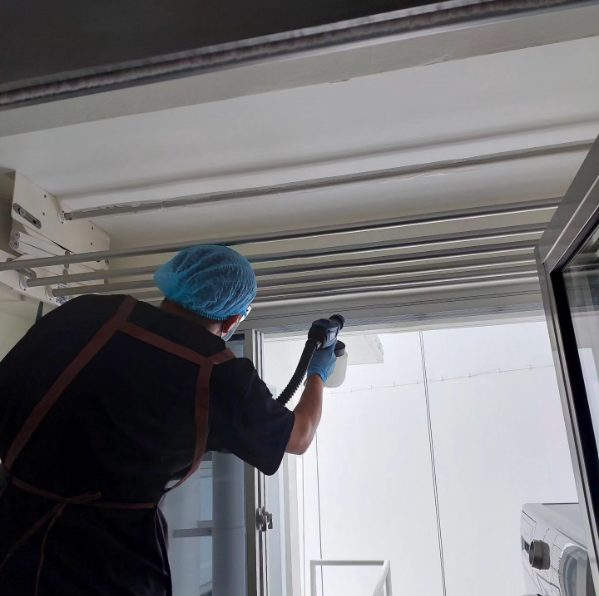
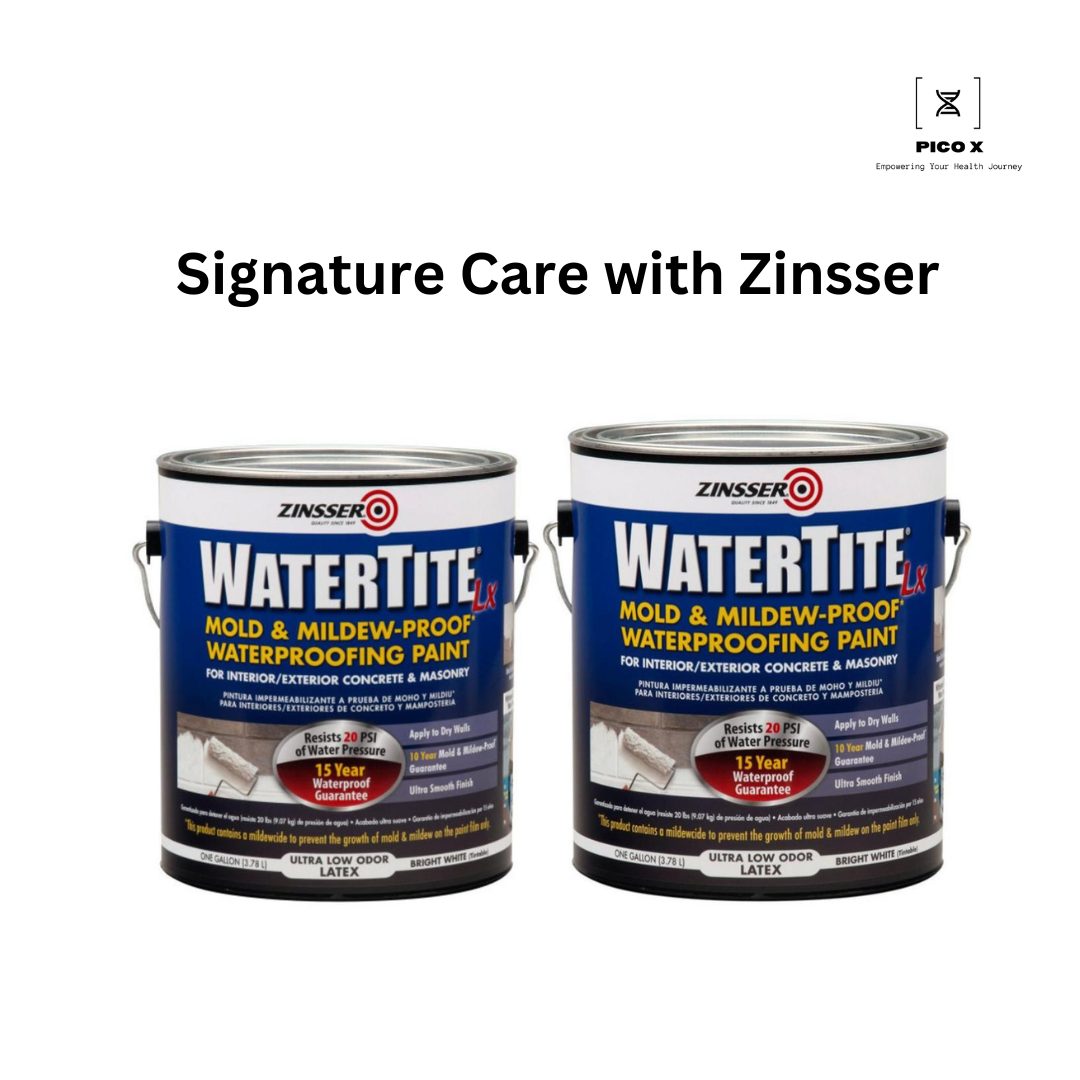
- Consider professional services like Pico X's waterproofing and antimould treatments for persistent mould issues caused by seepage or high humidity.
By following these tailored tips, you can effectively reduce indoor moisture levels, even during the frequent rainy spells in Singapore. For comprehensive mould prevention or treatment, Pico X mould removal offers eco-friendly mould removal, waterproofing, and air purification services tailored to Singapore's environment.
Mould Removal & Prevention in Singapore
Already have mould? Removal and antimicrobial coating for HDB flats, BTOs and condos — Essential Care from $199, full unit from $1,068.
No mould yet? Whole-home antimould ceiling coating, from $499.