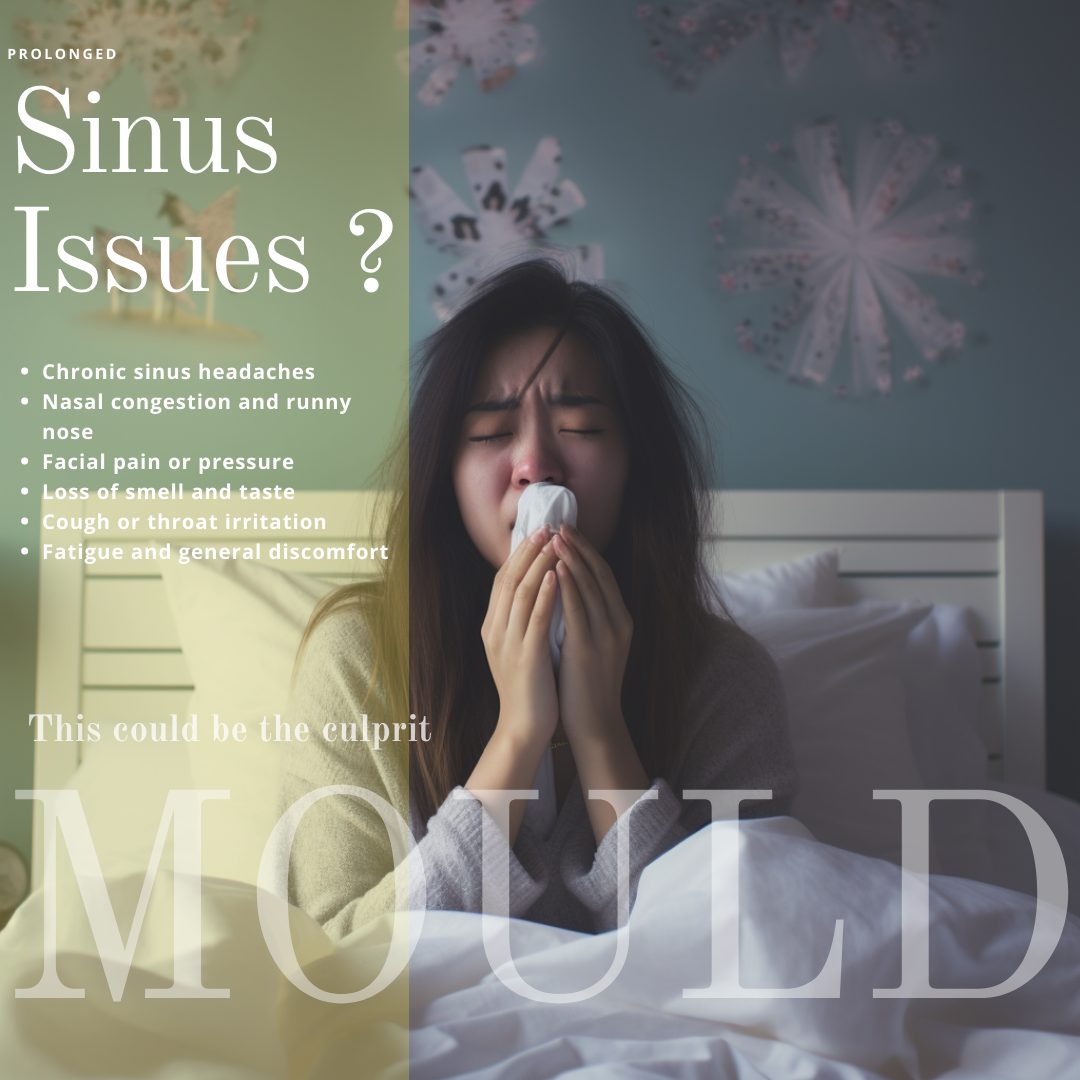

Why Singapore's Weather Makes This "Golden Rule" Dangerous for Your Home
For years, we've been told:
"Ventilate your home — just open your windows!"
But in Singapore's climate, that advice might be doing more harm than good.
With humidity levels often above 80%, hot stagnant air, and minimal wind, opening your windows at the wrong time could flood your home with moisture — and feed mould growth.
It's time to rethink what mould prevention really looks like in our tropical environment.
Singapore's Perfect Recipe for Mould
Humidity: Constantly high, providing ideal moisture for mould to grow.
Heat: Speeds up mould spore activation.
Still Air: No movement = no drying = mould-friendly surfaces.
And if you open your windows during these conditions?
You're basically inviting mould in with open arms.

The "Open Window" Mistake
Here's the catch:
If the outside air is more humid than inside — and there's no breeze — opening your windows can backfire.
You're:
Letting in moisture-laden air
Not getting ventilation benefit (no wind!)
Creating damp indoor surfaces that mould loves
Instead, during hot and humid days with no airflow:
Keep your windows closed
Turn on ceiling or standing fans
Run a dehumidifier to draw out moisture
Ventilation is still important — but only when conditions outside support it. Aim for early morning or late evening when outdoor humidity drops slightly and wind picks up.
Smart Mould Prevention for Singapore Homes
Here's your new playbook:
1. Use Mechanical Ventilation
Fans > stale air
Use extractor fans in bathrooms, especially after showers
Don't rely solely on passive airflow from windows
2. Control Humidity
Run dehumidifiers daily (ideal indoor RH: 45–60%)
Fix any water leaks immediately
Use moisture absorbers in wardrobes and cabinets
3. Use Mould-Resistant Materials
Paint bathrooms and ceilings with anti-mould waterproof coatings
Apply monthly eco-safe mouldicide sprays
Consider professional mould-proofing service in Singapore in high-risk zones
What About Bathrooms?
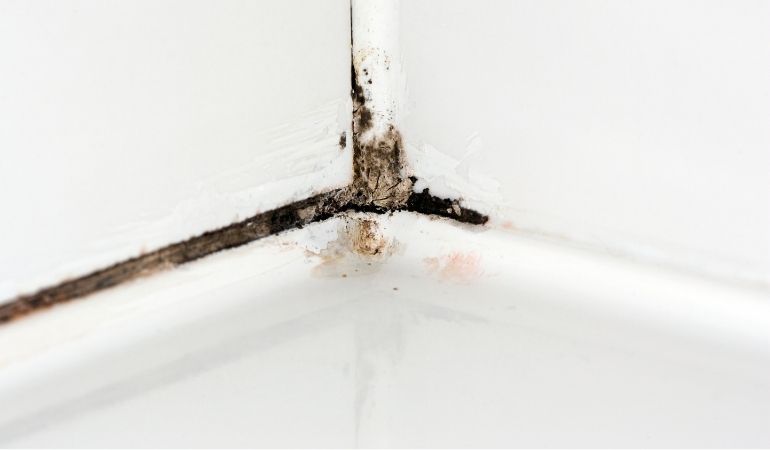
Your bathroom ceiling is often the first victim. Hot showers, poor airflow, and wet surfaces mean:
Condensation builds up
Ceilings become damp from inside and out
Mould multiplies
Solution?
Install an auto exhaust fan
Waterproof and paint with anti-mould products
Clean + dry regularly
Get a professional mould treatment every 12–18 months
Final Thoughts
In tropical Singapore, ventilation isn't about opening windows blindly. It's about smart, climate-aware air movement and moisture control.
If you're battling recurring mould, stop guessing — let Pico X mould removal specialists assess your home and provide a customised, eco-friendly treatment plan.
Because in this climate, "open window = safe" is a myth that's long overdue for a reality check.
Mould Removal & Prevention in Singapore
Already have mould? Removal and antimicrobial coating for HDB flats, BTOs and condos — Essential Care from $199, full unit from $1,068.
No mould yet? Whole-home antimould ceiling coating, from $499.
WhatsApp us to find out which you need
Live — Singapore weather
Free humidity alerts & mould prevention tips — live
Know when your home is at risk before mould grows. Aira sends real-time alerts based on Singapore’s weather — rain or shine.
Weather-triggered alerts
Humidity risk scoring
Prevention tips, free
Via Telegram, instant
Get free alerts on Telegram → Find out more at Aira →
Free · no sign-up required · Powered by Aira environmental intelligence