
-

Adoption of Antimicrobial Coating In The Hospitality Industry
-
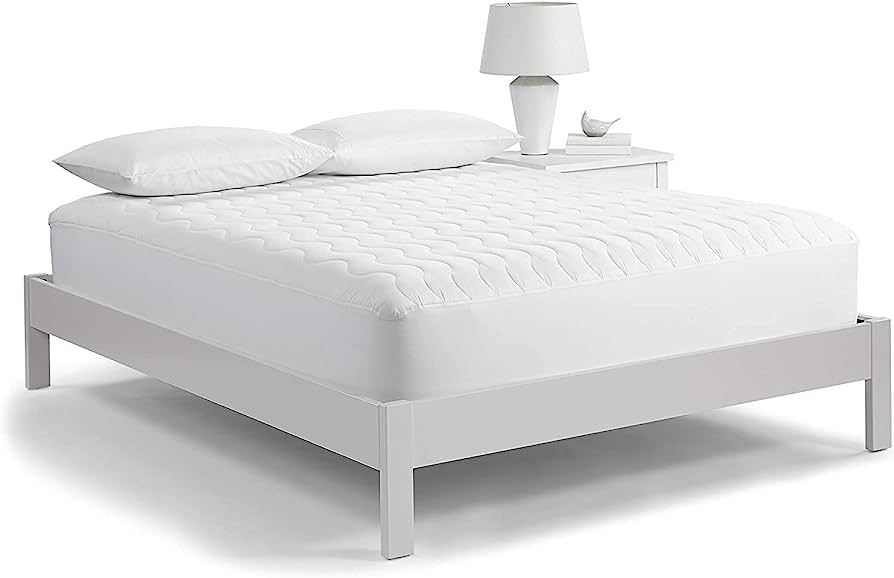
Antimicrobial Coated Mattress For A Safe Night's Sleep
-
A safe way to improving indoor air quality and prevent mould at home.
-
Antimicrobial Coatings on Mattresses
-
Antimicrobial Coatings: A Revolution in Home and Commercial Space Hygiene
UV LED vs UV Tube for Baby Bottle Steriliser: Which Is Better?
- 3 min reading time
When shopping for a UV baby bottle steriliser in Singapore, you will encounter two types of UV-C light sources: LED arrays and fluorescent tubes (mercury lamps). Both emit germicidal UV-C light in the 254–280nm range, but they differ significantly in performance, lifespan, running cost, and safety. Here is a clear breakdown to help you decide.
How UV-C Sterilisation Works
UV-C light at 254–280nm damages the DNA and RNA of bacteria, viruses, and fungi — preventing them from replicating. For baby bottles, this means sterilisation without heat, steam, or chemicals that could leave residue or damage teat materials over time. The key requirement is direct line-of-sight exposure — UV-C does not penetrate around corners or through opaque walls, so chamber design matters as much as light source type.
UV LED Sterilisers: Pros and Cons
UV LED sterilisers use arrays of UV-C light-emitting diodes arranged inside the cabinet chamber.
Advantages:
- Long lifespan: UV-C LEDs typically last 20,000–50,000 hours — the unit will likely outlast the baby's sterilisation needs without any bulb replacement
- Energy efficient: LEDs consume significantly less power than mercury lamps for equivalent UV output
- No mercury: Safe disposal at end of life, no hazardous materials
- Less heat generation: Cooler operation makes them safer for items that could be damaged by heat
- Compact: LED arrays allow for smaller, more portable cabinet designs
Disadvantages:
- Higher unit cost than tube-based models at the same chamber size
- Some lower-end LED models have insufficient UV intensity — always check that the wavelength is 254–280nm and that the manufacturer publishes log-reduction data
UV Tube (Mercury Lamp) Sterilisers: Pros and Cons
Traditional UV steriliser cabinets use UV-C fluorescent tubes — the same technology used in hospital sterilisation equipment for decades.
Advantages:
- Higher initial UV output — mercury lamps deliver strong germicidal intensity from the moment they switch on
- Lower unit price — tube-based models are typically cheaper to buy upfront
- Well-established technology with decades of clinical validation
Disadvantages:
- Bulb degradation: UV output drops significantly after 8,000–10,000 hours. The unit may appear to function but no longer sterilise effectively — most parents do not know when to replace the bulb
- Mercury content: Broken tubes release mercury vapour. Disposal requires specific handling — not suitable for standard household waste
- Bulky — tube geometry makes very compact cabinet designs difficult
- Replacement bulbs add ongoing cost and the inconvenience of sourcing compatible parts
Side-by-Side Comparison
| Factor | UV-C LED | UV Tube (Mercury) |
|---|---|---|
| Effective wavelength | 254–280nm | 254nm |
| Lifespan | 20,000–50,000 hrs | 8,000–10,000 hrs |
| Ongoing cost | None | Bulb replacement |
| Mercury risk | None | Yes (if broken) |
| Energy use | Lower | Higher |
| Unit price | Higher | Lower |
| Best for | Long-term home use | Budget-conscious buyers |
What Actually Matters More Than LED vs Tube
The LED vs tube debate is secondary to these more important factors:
- Chamber exposure design: Does the cabinet have UV-C lamps on multiple sides, or only the top? Bottom-only or single-side designs leave shadow zones where items are not sterilised.
- Published efficacy data: Does the manufacturer publish log-reduction test results (e.g. 99.9% reduction of S. aureus in 5 minutes)? If not, treat the efficacy claim with scepticism.
- Integrated drying: In Singapore's humidity, items left wet after sterilisation will recontaminate quickly. A built-in HEPA-filtered dryer is worth the premium.
- Safety shutoff: The door must cut power to the UV source when opened. UV-C exposure to eyes or skin causes damage within seconds.
Our Recommendation for Singapore Parents
For most Singapore families, a UV-C LED steriliser with multi-directional lamp placement, integrated drying, and a published efficacy certificate is the best long-term investment. The higher upfront cost is recovered within 1–2 years through eliminated bulb replacements, and you avoid the ongoing concern of degrading UV output from ageing mercury lamps.
Protect Your Home Beyond Sterilisation
For surface protection that lasts months — not just the length of a sterilisation cycle — visit shield23pro.com for professional antimicrobial coating for Singapore homes and childcare spaces.




-
Best Fabric Refresher 2023
-
Looking for the Best Cleaning Services in Singapore?
-
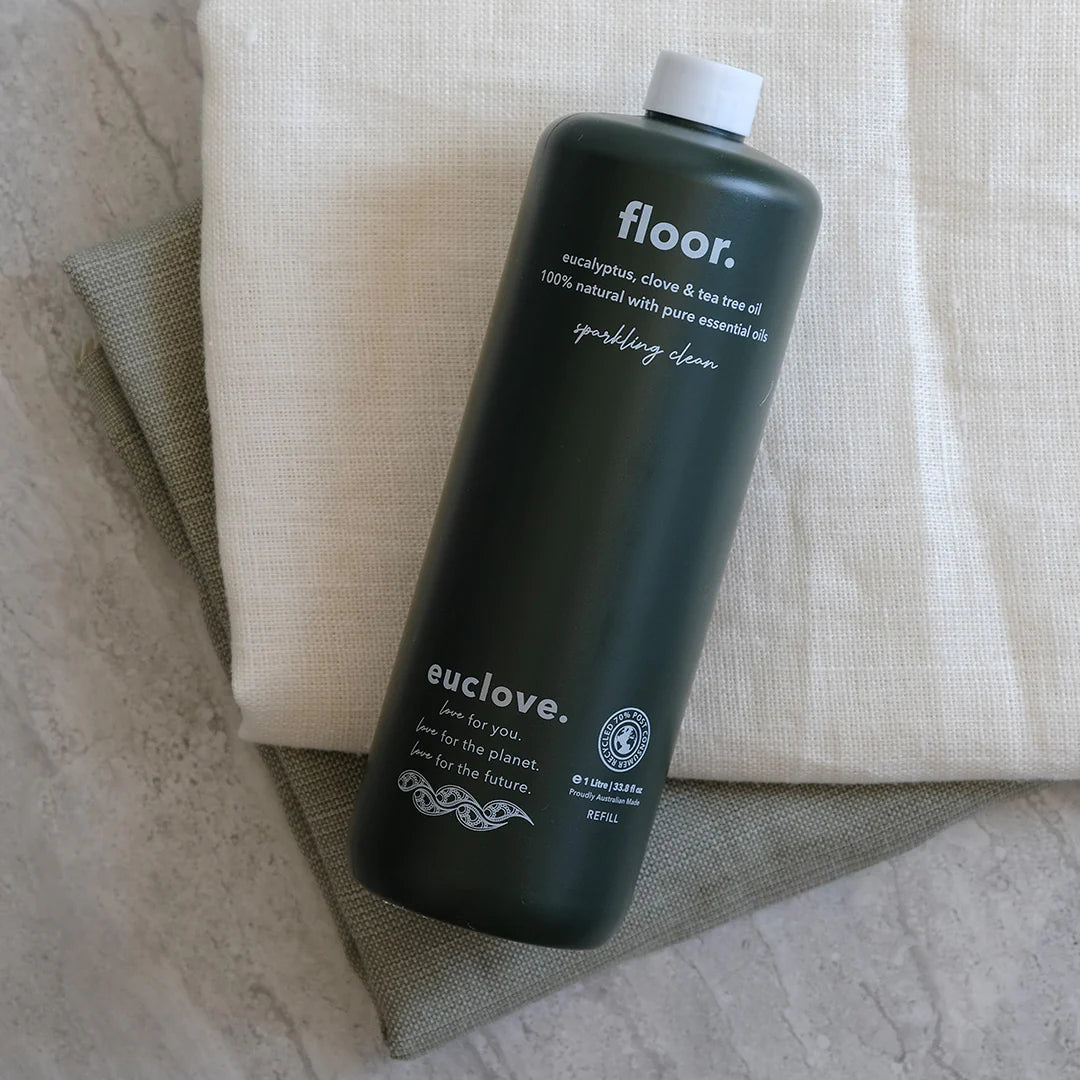
Benefits Of Essential oil Based floor cleaners - Eucalyptus, Clove and Tea Tree
-
Professional Cleaning Services in Singapore: What to Look For and What to Expect


Live — Singapore weather
Free humidity alerts &
mould prevention tips — live
Know when your home is at risk before mould grows. Aira sends real-time alerts based on Singapore’s weather — rain or shine.
Weather-triggered alerts
Humidity risk scoring
Prevention tips, free
Via Telegram, instant
Free · no sign-up required · Powered by Aira environmental intelligence