Learn

How to identify an efficient antimicrobial coating

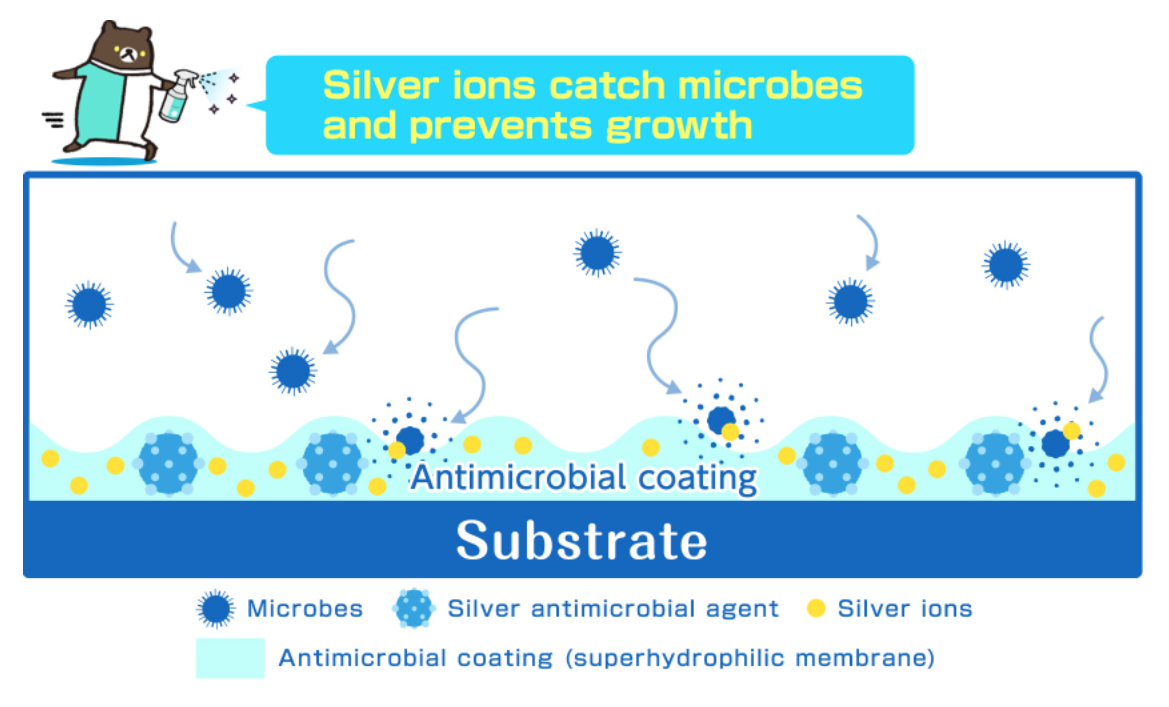
Identifying an efficient antimicrobial coating requires evaluating several key factors: Spectrum of activity: Look for a coating effective against a wide range of microorganisms, including bacteria, fungi, and viruses, to ensure protection against a variety of potential threats. Durability: Choose a coating resistant t

Discipline
antimicrobial resources
Reading time
1 min
Sections
1
Reviewed by
Pico X Environmental Health
How to identify an efficient antimicrobial coating

Identifying an efficient antimicrobial coating requires evaluating several key factors:

Spectrum of activity: Look for a coating effective against a wide range of microorganisms, including bacteria, fungi, and viruses, to ensure protection against a variety of potential threats.

Durability: Choose a coating resistant to wear and tear that maintains its effectiveness over time, even with frequent use or exposure to the elements.

Toxicology: Some coatings may contain chemicals harmful to humans or the environment. Choose a coating that is safe and non-toxic.

Efficacy: Look for coatings that have been tested and shown to be effective at reducing microorganism growth and spread.

Ease of application: Consider the type of surface the coating can be applied to, as some coatings may only be suitable for certain materials.

Company reputation and certifications: Research the company and any certifications or accreditations the coating may have to give you confidence in its quality and effectiveness.

Protect Your Space with Shield23 Pro

Visit shield23pro.com for professional antimicrobial coating for homes, offices, childcare centres, and commercial facilities. NEA-listed, lab-validated.


Live — Singapore weather

Free humidity alerts & mould prevention tips — live

Know when your home is at risk before mould grows. Aira sends real-time alerts based on Singapore’s weather — rain or shine.

Weather-triggered alerts

Humidity risk scoring

Prevention tips, free

Via Telegram, instant

Get free alerts on Telegram → Find out more at Aira →

Free · no sign-up required · Powered by Aira environmental intelligence
All about antimicrobial coating

All about home cleaning

Scientific review

Written for Singapore's tropical indoor climate and checked by the Pico X environmental health team. 253 words · 1 minute read.

Questions

How to identify an efficient antimicrobial coating: common questions

How do I identify an efficient antimicrobial coating?

Evaluate its spectrum of activity, durability, toxicology, efficacy and ease of application. Research the company reputation and certifications or accreditations to help assess quality and effectiveness.

Which microorganisms should an antimicrobial coating be effective against?

Look for a broad spectrum of activity against bacteria, fungi, and viruses. Choose coatings that have been tested and shown to reduce microorganism growth and spread.

What makes an antimicrobial coating durable?

A durable coating resists wear and tear and maintains its effectiveness over time. Look for one that remains effective with frequent use or exposure to the elements.

What safety and surface checks should I make before choosing an antimicrobial coating?

Some coatings may contain chemicals harmful to humans or the environment, so choose a coating that is safe and non-toxic. Check which surfaces it can be applied to, as some coatings are only suitable for certain materials.

Next step

Tell us about your space.

Send a photo of the wall, ceiling or room that worries you. We will tell you what is happening and what it needs.