-
Adoption of Antimicrobial Coating In The Hospitality Industry
-
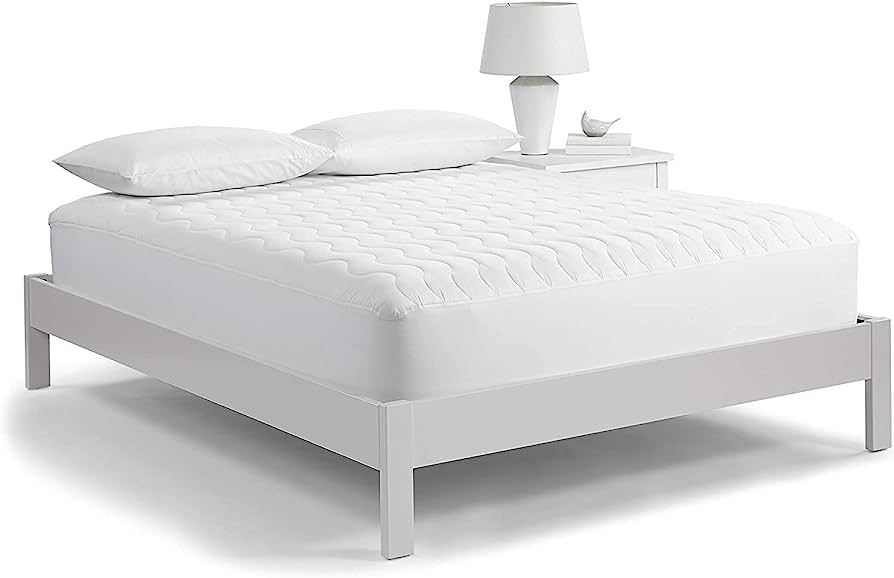
Antimicrobial Coated Mattress For A Safe Night's Sleep
-
A safe way to improving indoor air quality and prevent mould at home.
-
Antimicrobial Coatings on Mattresses
-
Antimicrobial Coatings: A Revolution in Home and Commercial Space Hygiene
What are the benefits of antimicrobial treatment In a car?
- 4 min reading time
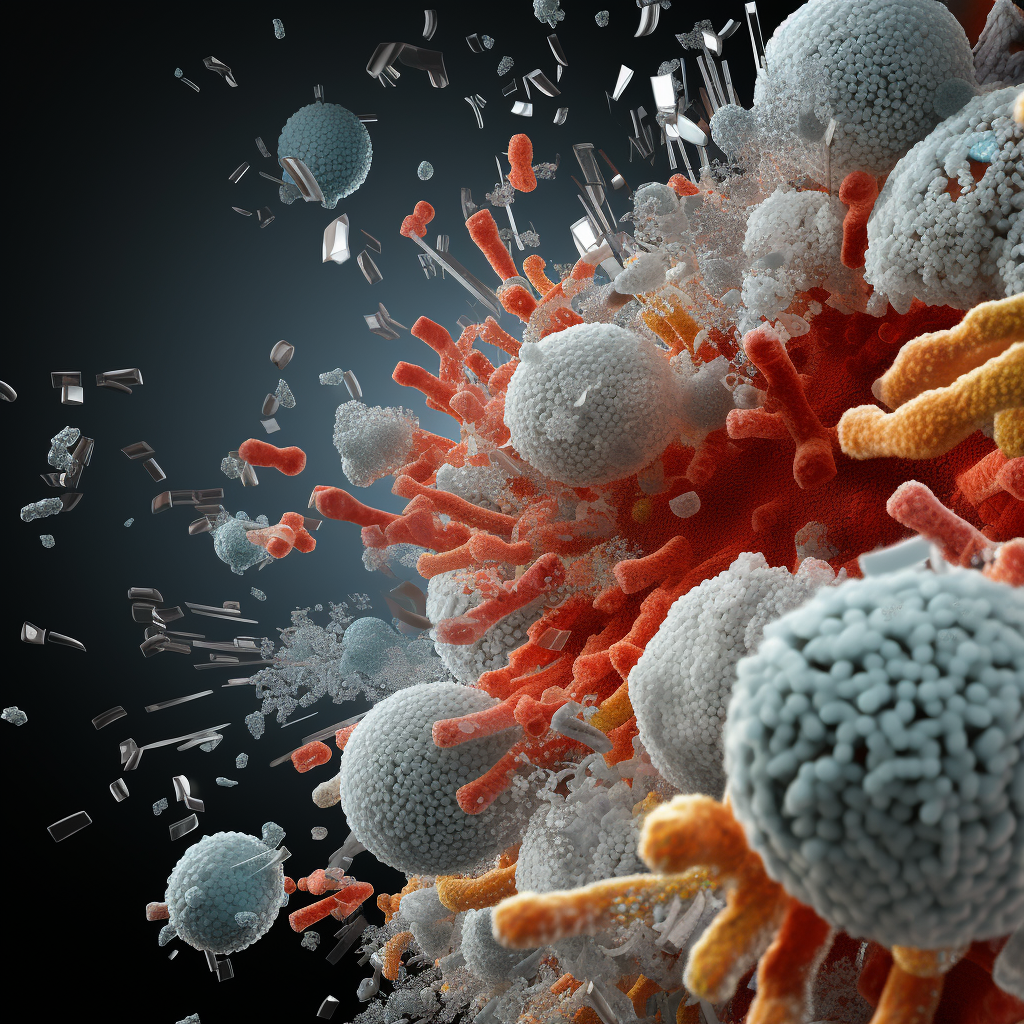
An ‘antimicrobial treatment’ is a form of sanitization that is applied to objects, surfaces, fabrics, or in air or water. This treatment prevents microorganisms such as bacteria, viruses, fungi, and other microbes from growing on the affected surface. Antimicrobial treatments are used in a wide variety of applications, including in healthcare, food processing, textiles, and consumer products.
Antimicrobial coatings represent an exciting intersection of materials science, microbiology, and engineering, and they offer significant potential to transform the way we prevent and control infection.
There are several key benefits of antimicrobial treatment. Here are some of them:
- Reducing the Risk of Infection: The primary benefit of antimicrobial treatments is that they can significantly reduce the risk of infection by killing or inhibiting the growth of bacteria, viruses, and other harmful microbes on surfaces. This is especially important in healthcare settings, where hospital-acquired infections (HAIs) can be life-threatening, but it’s also relevant in many other contexts, such as in food processing, public transport, and schools.
- Long-lasting Protection: One of the significant advantages of antimicrobial coatings, in particular, is their long-lasting protection. Unlike conventional disinfectants that may provide only temporary protection, antimicrobial coatings can provide ongoing protection against microorganisms for extended periods, often for months or even years. This persistent protection means that surfaces do not need to be cleaned and disinfected as frequently, which can save time and resources.
- Broad Spectrum Effectiveness: Antimicrobial treatments often have a broad-spectrum effectiveness, meaning they can inhibit a wide variety of microorganisms. This is in contrast to specific antibiotics or antivirals, which are often only effective against specific types of microorganisms.
- Eco-friendly Options: While not all antimicrobial treatments are eco-friendly, there are several types that have been developed with sustainability in mind. These environmentally friendly options offer the benefits of antimicrobial treatments while reducing environmental impact. For example, some antimicrobial coatings use naturally occurring minerals like silver or copper, which have inherent antimicrobial properties.
- Reducing Antibiotic Resistance: The overuse of antibiotics has led to a growing problem of antibiotic resistance, which poses a significant threat to public health. Antimicrobial treatments that use mechanisms other than antibiotics to kill or inhibit microorganisms can be an important tool in combating antibiotic resistance. By using antimicrobial treatments to prevent infections, we can reduce the need for antibiotic treatments, helping to slow the development of antibiotic resistance.
- Improved Hygiene: Antimicrobial treatments can lead to improved hygiene in various settings. This is especially important in sectors like food processing and healthcare, where maintaining high levels of hygiene is critical to safety and health. Moreover, products treated with antimicrobial agents can maintain their cleanliness for longer periods, leading to better overall hygiene.
- Reduced Odour: Microorganisms, particularly bacteria, can contribute significantly to unpleasant odours. Antimicrobial treatments that inhibit or kill these microorganisms can help to reduce odour, improving the quality and freshness of various products and environments. For example, antimicrobial treatments are often used in sportswear and footwear to reduce odour caused by bacteria.
- Prolonged Product Life: By inhibiting the growth of microorganisms that can cause degradation, antimicrobial treatments can extend the lifespan of products. This can be particularly beneficial for items like textiles, plastics, and wood, which can be degraded by microbial activity.
- Increased Consumer Confidence: In the current climate, with an increased awareness of hygiene and the risk of infection, the use of antimicrobial treatments can increase consumer confidence. Knowing that a product or environment is treated with antimicrobial agents can provide reassurance and peace of mind. This can be particularly important in areas like healthcare, food service, and public transport.
- Versatility: One of the key benefits of antimicrobial treatments is their versatility. They can be applied to a wide variety of materials and surfaces, from textiles and plastics to glass and metal. This means they can be used in a vast range of applications, from coating medical equipment to treating the upholstery in public vehicles.
To conclude, antimicrobial treatments offer a multitude of benefits. From reducing the risk of infection and improving hygiene to reducing antibiotic resistance and prolonging product lifespan, these treatments represent an important tool in our ongoing efforts to maintain health and hygiene in various settings. As technology advances, we can expect to see even more sophisticated and effective antimicrobial treatments.
Protect Your Space with Shield23 Pro
Visit shield23pro.com for professional antimicrobial coating for homes, offices, childcare centres, and commercial facilities. NEA-listed, lab-validated, up to 3 years protection.
-
Best Fabric Refresher 2023
-
Looking for the Best Cleaning Services in Singapore?
-
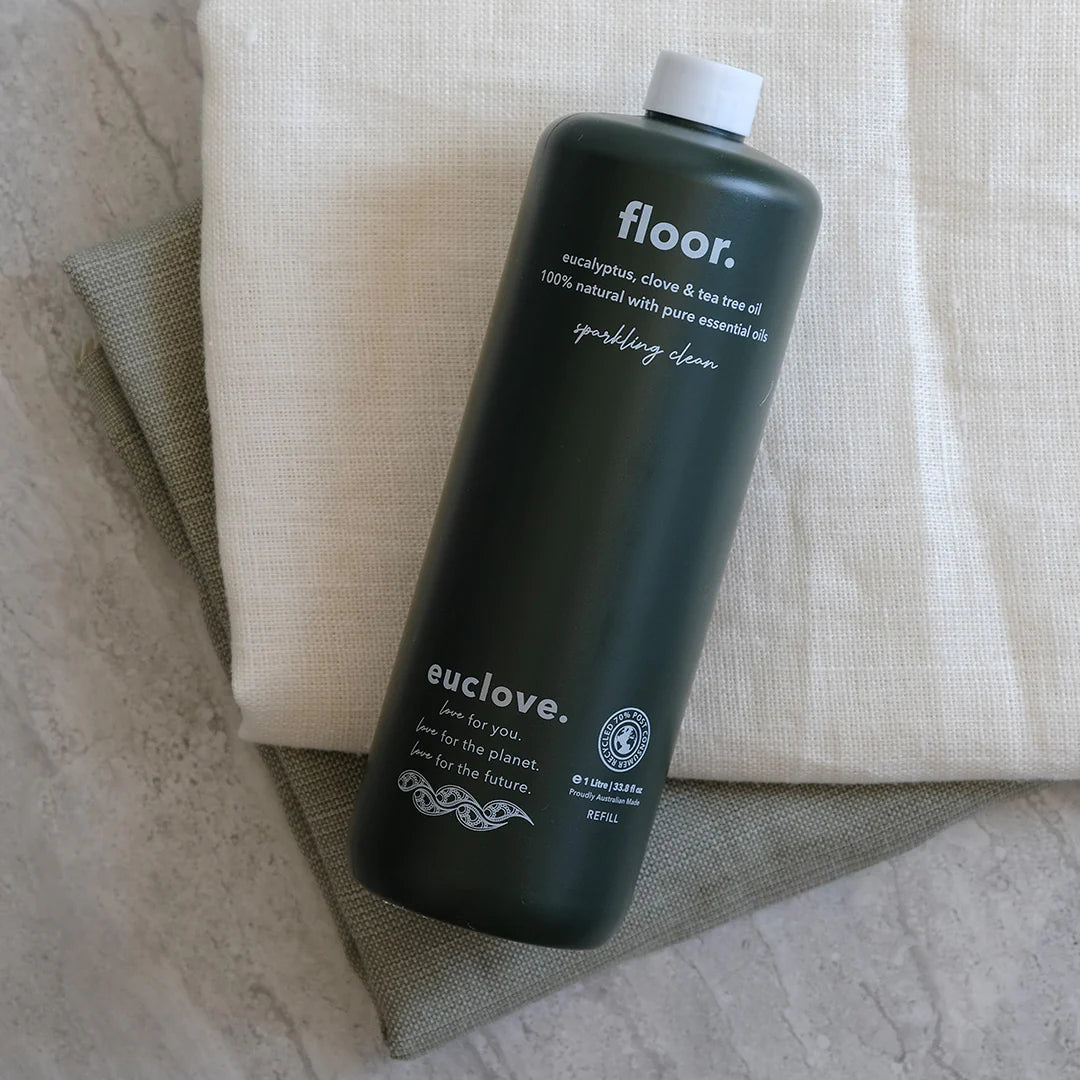
Benefits Of Essential oil Based floor cleaners - Eucalyptus, Clove and Tea Tree
-
Professional Cleaning Services in Singapore: What to Look For and What to Expect

Free humidity alerts &
mould prevention tips — live
Know when your home is at risk before mould grows. Aira sends real-time alerts based on Singapore’s weather — rain or shine.
Free · no sign-up required · Powered by Aira environmental intelligence