
As a parent, keeping your child healthy is a top priority. While it's impossible to shield your child from every germ or infection they encounter, there are steps you can take to reduce the risk of common infections. Here are the top ten infections that affect children in Singapore and how to prevent them:
Hand, Foot and Mouth Disease (HFMD)
HFMD is a common viral infection that typically affects young children. It is characterized by a fever, mouth sores, and a rash on the hands and feet. The virus spreads through contact with saliva, mucus, or feces from an infected person. To prevent HFMD, encourage your child to wash their hands frequently and avoid sharing utensils or toys with others.
Influenza (flu)
The flu is a contagious respiratory illness caused by the influenza virus. Symptoms include fever, cough, sore throat, and body aches. The virus spreads through respiratory droplets when an infected person coughs or sneezes. To prevent the flu, ensure that your child receives an annual flu vaccine and encourage them to practice good hygiene, such as washing their hands frequently and covering their mouth when coughing or sneezing.
Respiratory Syncytial Virus (RSV)
RSV is a common virus that can cause mild to severe respiratory infections in young children. Symptoms may include fever, coughing, and wheezing. The virus spreads through respiratory droplets when an infected person coughs or sneezes. To prevent RSV, encourage your child to wash their hands frequently and avoid close contact with sick individuals.
Bronchiolitis
Bronchiolitis is a respiratory infection that affects the small airways in the lungs. It is caused by a virus and is most common in infants and young children. Symptoms may include coughing, wheezing, and difficulty breathing. To prevent bronchiolitis, encourage your child to wash their hands frequently and avoid exposure to cigarette smoke.
Chickenpox
Chickenpox is a highly contagious viral infection that causes an itchy rash and blisters. The virus spreads through contact with fluid from an infected person's rash. To prevent chickenpox, ensure that your child receives the varicella vaccine and avoid close contact with individuals who are infected.
Gastroenteritis (stomach flu)
Gastroenteritis is a viral or bacterial infection that causes inflammation of the stomach and intestines. Symptoms may include vomiting, diarrhea, and stomach cramps. The virus spreads through contact with contaminated surfaces or through contaminated food or water. To prevent gastroenteritis, encourage your child to wash their hands frequently and avoid sharing food or drinks with others.
Pneumonia
Pneumonia is a serious infection of the lungs that can be caused by viruses, bacteria, or fungi. Symptoms may include coughing, fever, and difficulty breathing. To prevent pneumonia, ensure that your child receives all recommended vaccinations and encourage them to practice good hygiene, such as washing their hands frequently and covering their mouth when coughing or sneezing.
Ear infections
Ear infections are a common childhood illness caused by bacteria or viruses. Symptoms may include ear pain, fever, and difficulty hearing. To prevent ear infections, encourage your child to practice good hygiene, such as washing their hands frequently and avoiding exposure to cigarette smoke.
Strep throat
Strep throat is a bacterial infection that causes a sore throat and fever. The infection spreads through contact with respiratory secretions from an infected person. To prevent strep throat, encourage your child to practice good hygiene, such as washing their hands frequently and avoiding close contact with individuals who are infected.
Measles
Measles is a highly contagious viral infection that causes fever, cough, runny nose, and a rash all over the body. The virus spreads through respiratory droplets when an infected person coughs or sneezes. To prevent measles, ensure that your child receives the measles, mumps, and rubella (MMR) vaccine and avoid close contact with individuals who are infected.

In addition to these infections, there are many other illnesses that can affect children in Singapore. To reduce the risk of infection, encourage your child to practice good hygiene, such as washing their hands frequently and covering their mouth when coughing or sneezing. Make sure that your child receives all recommended vaccinations and avoid close contact with individuals who are sick.
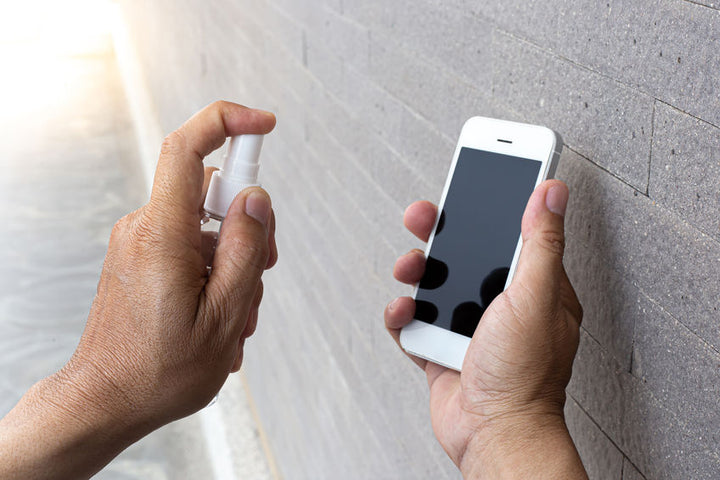
It's also important to ensure that your child eats a healthy diet, gets plenty of rest, and exercises regularly to maintain a strong immune system. If you notice that your child is showing signs of an infection, such as a fever or cough, seek medical attention promptly to prevent the infection from spreading to others. You could also disinfect you house regularly to prevent infection spreading in your home to other members. Click here to understand more about disinfecting services.
By taking these steps, you can help keep your child healthy and reduce the risk of common infections in Singapore.
Live — Singapore weather
Free humidity alerts & mould prevention tips — live
Know when your home is at risk before mould grows. Aira sends real-time alerts based on Singapore’s weather — rain or shine.
Weather-triggered alerts
Humidity risk scoring
Prevention tips, free
Via Telegram, instant
Get free alerts on Telegram → Find out more at Aira →
Free · no sign-up required · Powered by Aira environmental intelligence