Mold growth can have a significant impact on indoor air quality, and can affect the health of family members, especially those with respiratory issues. Exposure to mold can cause a variety of symptoms, including allergic reactions, respiratory issues, and even neurological problems. The most common health problem associated with mold exposure is allergic reactions. Symptoms include sneezing, runny nose, red eyes, and skin rash. Individuals with asthma or other respiratory conditions may experience more severe symptoms, such as difficulty breathing or chest tightness.
Mold exposure can also aggravate asthma symptoms and cause new onset asthma. It can also cause respiratory infections like bronchitis and pneumonia in people with weak immune systems. Children, elderly, pregnant women and people with chronic lung disease are at higher risk of developing mold-related respiratory problems.
The symptoms caused by mold exposure may not always be immediately obvious, and may take some time to develop. This can make it difficult to determine the cause of the symptoms, and can lead to prolonged exposure to mold. Furthermore, symptoms may not be specific to mold exposure and can be mistaken for other conditions. This is why it is important to have a professional conduct a mold inspection and testing if you suspect mold growth in your home.
In addition to respiratory issues, mold can also cause neurological problems. Studies have shown that exposure to mold can lead to headaches, memory loss, and difficulty concentrating. It has also been linked to depression and anxiety. These symptoms can be severe, and can have a significant impact on the quality of life of individuals affected.
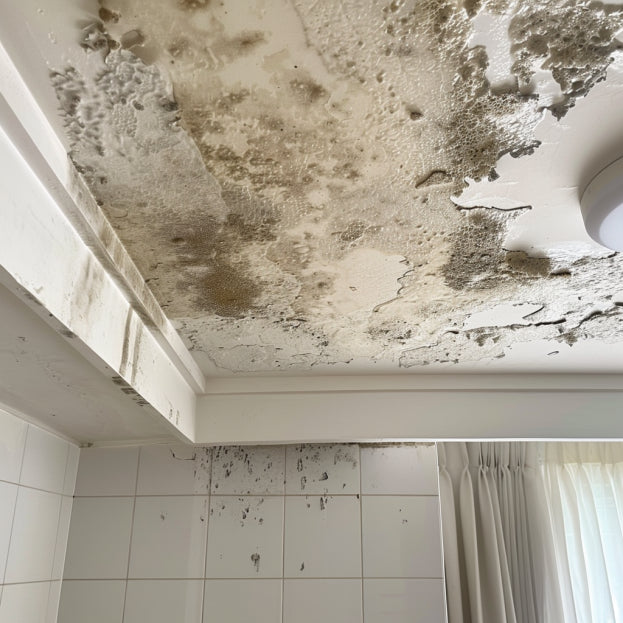
Mold can also cause structural damage to the home. It can grow on walls, floors, and ceilings, and can cause the paint to peel and the wallpaper to blister. It can also weaken the structure of the house and lead to costly repairs.
It is important to identify mold and address it promptly to prevent the health risks associated with exposure to mold. A professional mold inspector will be able to identify mold growth in hidden areas, such as behind walls or under floors, and will also be able to identify the type of mold present and the extent of the infestation. Once the mold is identified, a professional tester will take samples of the mold and send them to a laboratory for analysis. This will allow you to determine the type of mold and the best method for removing it.
Mold growth can have a significant impact on indoor air quality and the health of family members, especially those with respiratory issues. Exposure to mold can cause a variety of symptoms, including allergic reactions, respiratory issues, and even neurological problems. It is important to identify mold and address it promptly to prevent the health risks associated with exposure to mold. A professional mold inspection and testing can help identify mold growth and determine the best course of action for removal. Regular cleaning, maintaining and monitoring the humidity levels can help prevent mold growth.
Mould Removal & Prevention in Singapore
Already have mould? Root-level deactivation, antimould painting, and Shield23 Pro antimicrobial coating for HDB flats, BTOs and condos.
No mould yet? Whole-home antimould ceiling protection, developed with
See packages at picoxmouldremoval.sg
WhatsApp us to find out which you need
Live — Singapore weather
Free humidity alerts & mould prevention tips — live
Know when your home is at risk before mould grows. Aira sends real-time alerts based on Singapore’s weather — rain or shine.
Weather-triggered alerts
Humidity risk scoring
Prevention tips, free
Via Telegram, instant
Get free alerts on Telegram → Find out more at Aira →
Free · no sign-up required · Powered by Aira environmental intelligence