The Dangers of Mould in Singaporean Homes: Prevention, Treatment, and Costs
Mould is a common problem in humid environments like Singapore, and while most types of mould are not harmful to humans, some can produce toxins that can cause serious health problems. In this blog post, we'll explore the different types of mould that can be found in Singaporean homes, the health risks associated with exposure to mould, and how to identify and safely remove it.
The Dangers of Toxic Mould in Singapore:
Toxic mould is a serious concern for homeowners in Singapore. Certain types of mould, such as black mould, can produce mycotoxins that can cause respiratory problems, skin irritation, and other health issues. In some cases, toxic mould can even lead to more serious health problems, such as asthma or lung infections.
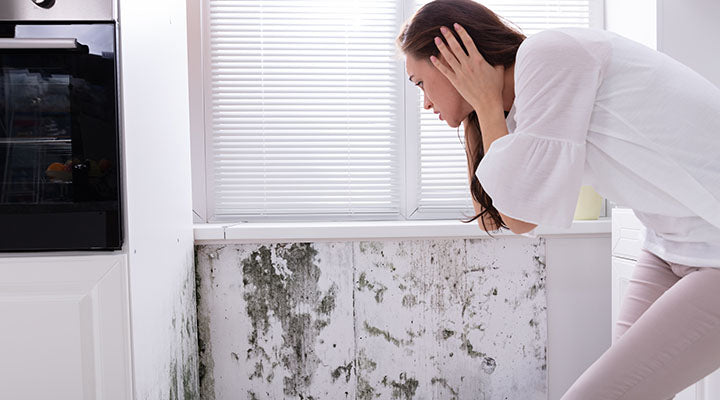
If you suspect that you have toxic mould in your home, it's important to take action quickly to prevent it from spreading and causing further damage. You can identify toxic mould by its distinct musty smell, its dark green or black color, or its slimy texture.
The Cost of Ignoring Mould in Your Home:
Ignoring mould in your home can be costly both in terms of your health and your wallet. In addition to the health risks associated with toxic mould, mould growth can also cause structural damage to your home, leading to costly repairs.
If you notice signs of mould in your home, such as a musty smell, visible mould growth, or water damage, it's important to take action quickly. The cost of removing mould from your home will depend on the severity of the problem and the extent of the damage.
How to Safely Remove Mould from Your Home in Singapore:
If you've discovered mould in your home, it's important to take action quickly to prevent it from spreading and causing further damage. The first step is to identify the type of mould you're dealing with. While some types of mould can be safely removed with a simple bleach solution, other types may require more specialized treatment.
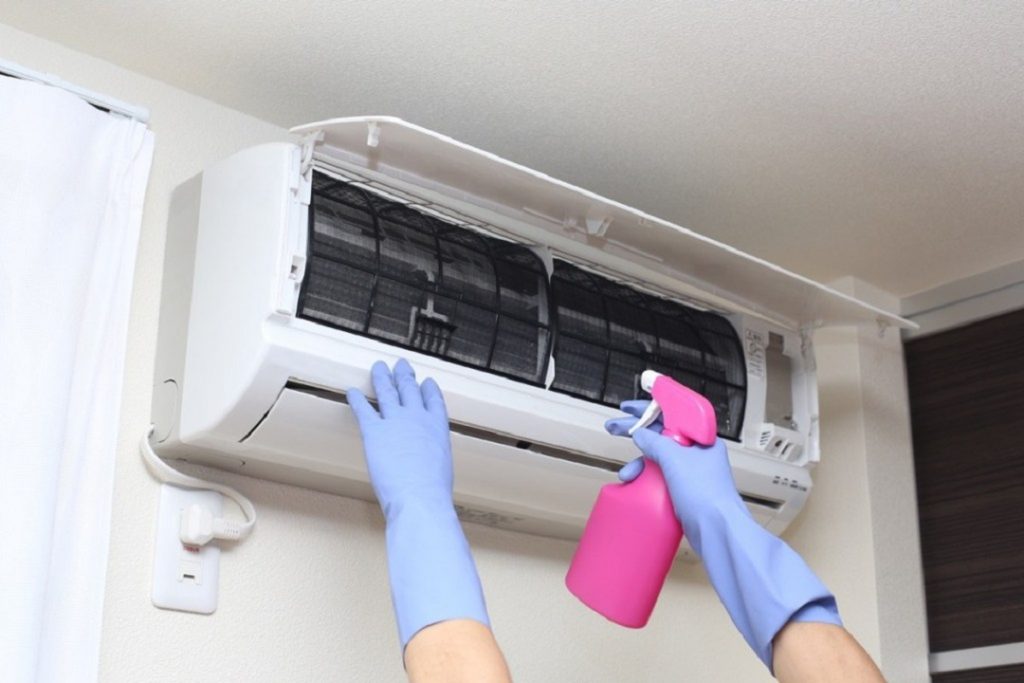
When removing mould from your home, it's important to take safety precautions to protect yourself and your family. Wear gloves, a face mask, and protective eyewear, and make sure to work in a well-ventilated area. You can use a mixture of water and detergent or a commercial cleaning solution to remove the mould.
Preventing Mould Growth in Your Home:
The best way to deal with mould is to prevent it from growing in the first place. Here are some tips to help prevent mould growth in your home:
- Keep humidity levels in your home below 60%.
- Use an air conditioner or dehumidifier to remove excess moisture from the air.
- Repair any leaks or water damage promptly.
- Clean and dry any wet or damp areas in your home within 24 to 48 hours.
- Use exhaust fans in bathrooms and kitchens to remove excess moisture.
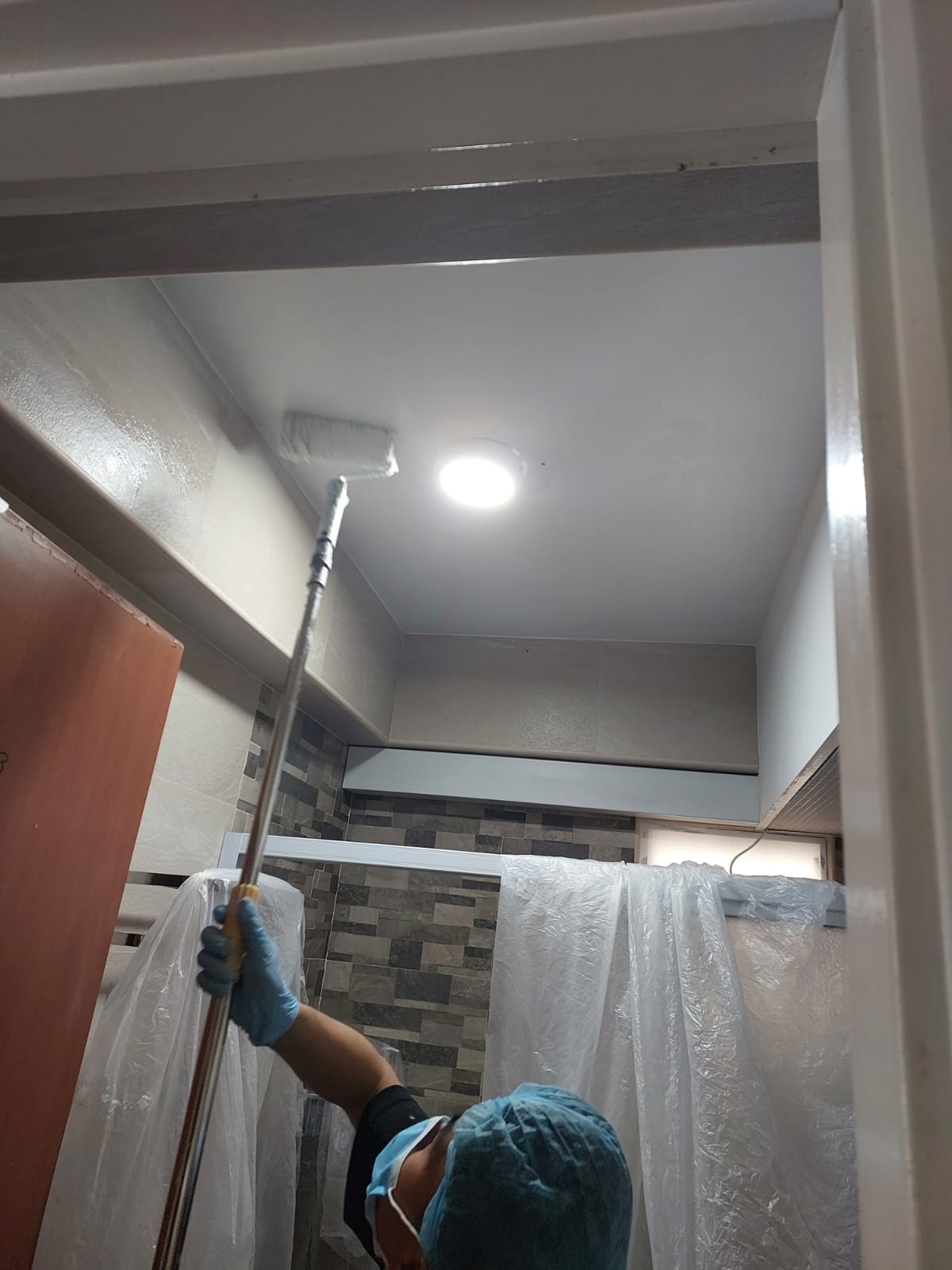
- Apply a long lasting antimicrobial coating on walls and ceiling that last up to 3 years.
By following these tips, you can help prevent mould growth in your home and protect your family's health and well-being.
Mould Removal & Prevention in Singapore
Already have mould? Removal and antimicrobial coating for HDB flats, BTOs and condos — Essential Care from $199, full unit from $1,068.
No mould yet? Whole-home antimould ceiling coating, from $499.
WhatsApp us to find out which you need
Live — Singapore weather
Free humidity alerts & mould prevention tips — live
Know when your home is at risk before mould grows. Aira sends real-time alerts based on Singapore’s weather — rain or shine.
Weather-triggered alerts
Humidity risk scoring
Prevention tips, free
Via Telegram, instant
Get free alerts on Telegram → Find out more at Aira →
Free · no sign-up required · Powered by Aira environmental intelligence