
-

Adoption of Antimicrobial Coating In The Hospitality Industry
-
Antimicrobial Coated Mattress For A Safe Night's Sleep
-
A safe way to improving indoor air quality and prevent mould at home.
-
Antimicrobial Coatings on Mattresses
-
Antimicrobial Coatings: A Revolution in Home and Commercial Space Hygiene
Condensation & Mould in Singapore HDB Blocks Caused by Low Air-Conditioning Setpoints and Prolonged Operation
- 7 min reading time
White Paper
Managing Inter-Flat Condensation & Mould in Singapore HDB Blocks Caused by Low Air-Conditioning Setpoints and Prolonged Operation
Proposed Multi-Party Resolution Framework + Pico X Health Anti-Condensation Service Model
Date: 14 Jan 2026 (Singapore)
Executive summary
Inter-flat condensation disputes are rising in Singapore. In Parliament, it was reported that HDB received about 240 cases in 2025 involving condensation and mould on walls/ceilings arising from neighbours' air-conditioner use, and HDB's response includes inspections and practical advice such as ventilation and mould-resistant paint.
This white paper explains:
Why condensation happens in HDB flats when air-conditioning is run cold for long periods (dew point + cold surfaces + humidity).
Who must be involved to resolve it fairly and quickly (upstream/downstream units, HDB, Town Council where relevant, and mediation options).
What a practical, evidence-based, building-science approach looks like (measure → diagnose → implement controls → verify).
A proposed Pico X Health Anti-Condensation Service that focuses on diagnosis, moisture control, surface protection, and dispute-friendly documentation.
1. Problem definition and Singapore context
1.1 What residents are experiencing
Typical reports include:
Water droplets on shared walls/ceilings (often at bedroom or living-room walls adjacent to a neighbour's aircon zone)
Damp patches, blistering paint, musty odour
Recurrent surface mould after cleaning/painting
1.2 Why this is becoming a disputes issue (not just a “cleaning” issue)
Condensation from one unit can manifest as damage in another unit, creating ambiguity about:
Responsibility (usage behaviour vs building physics)
“Proof” (intermittent patterns, seasonal weather, occupant habits)
Scope (is it only mould removal, or also prevention and long-term control)
Singapore’s public position (as reported) is that HDB will inspect to determine cause and provide advice on proper aircon use, ventilation, and possibly mould-resistant paint.
2. Building science: why cold aircon leads to condensation in neighbouring flats
2.1 The core mechanism: dew point meets a cold surface
Condensation occurs when moist air contacts a surface that is at or below the air’s dew point. In tropical Singapore, ambient humidity is often high, so dew points can be relatively high too—meaning it doesn’t take an extremely cold surface to start condensing.
2.2 Why prolonged low setpoints increase risk
When a resident runs an aircon at a low temperature for long durations:
The interior surfaces (walls/ceilings) can cool down substantially.
If that surface is part of a shared structural wall/slab, cooling can propagate through the structure.
The neighbouring unit’s side of that wall may become a cold surface relative to their indoor air conditions.
If the neighbouring unit has higher humidity (cooking, drying laundry, lower ventilation), condensation can form.
2.3 Why mould follows condensation
Moisture availability is the critical trigger for fungal growth. WHO’s indoor air quality guidance on dampness and mould links moisture/damp indoor conditions with increased health risks and microbial proliferation.
3. Stakeholder map: who needs to be involved (and why)
A. The two primary parties (must be engaged early)
-
Affected Flat Owner/Occupant (Downstream Impact)
Documents symptoms, timeline, locations
Cooperates on humidity/ventilation controls and access for inspection
-
Neighbour Flat Owner/Occupant (Potential Upstream Source)
Shares aircon usage patterns (setpoint, hours, fan mode)
Allows non-invasive checks near shared wall/ceiling surfaces
Implements behavioural mitigations where appropriate
B. Government/Community dispute-resolution pathways
-
HDB (Inspection + Advisory)
Can inspect to help determine cause and advise both parties.
-
Community Mediation Centre (CMC)
“Air-con condensation” is explicitly listed as a neighbour dispute suitable for mediation, which is useful when facts are contested or emotions escalate.
-
Town Council / Building Maintenance Stakeholders (case-by-case)
If there are contributing common-property issues (e.g., façade cracks, external seepage, corridor-side airflow anomalies), their involvement may be relevant.
4. A resolution framework that works in real HDB living conditions
Step 1 — Evidence collection (7–14 days, lightweight)
Minimum recommended measurements:
Indoor RH% and temperature (affected unit; ideally also source unit if cooperative)
Surface temperature at the problem wall/ceiling (infrared spot readings)
Condensation timing notes (morning/evening, after showers, after aircon cycles)
Step 2 — Diagnosis: rule out lookalikes
Water seepage from above / plumbing leakage
Façade rain ingress
Bathroom waterproofing failures
Previous mould not fully removed (spores remain; moisture persists)
Step 3 — Controls (start with low-cost behavioural + airflow fixes)
Increase aircon setpoint modestly (e.g., avoid very low setpoints for long durations)
Use fan mode / improve air mixing
Avoid directing cold airflow straight onto shared walls/ceilings
Maintain reasonable indoor RH (target often ~50–60%; avoid sustained high humidity)
Step 4 — Physical interventions (when behavioural changes aren’t enough)
Targeted thermal break / insulation strategies (where feasible)
Anti-condensation surface solutions
Anti-mould coating systems (as a secondary defence, not the only defence)
Step 5 — Verification (close the loop)
Confirm RH/temperature stability
Confirm surface temperature no longer falls below dew point in typical usage
Confirm no recurring condensation within a defined period (e.g., 4–8 weeks)
5. Pico X Health Anti-Condensation Service
An end-to-end, measurement-based service covering:
- Phase A — Assessment: RH/temperature/surface readings, root-cause classification, written report
- Phase B — Stabilisation: dry-down protocol, safe mould cleaning, short-term protective coating
- Phase C — Surface System: moisture-tolerant primer, anti-condensation coating, anti-mould topcoat
- Phase D — Behavioural Protocol: one-page guide both neighbours can accept
- Phase E — Verification: post-work readings, 4–8 week follow-up check
Appendix A — Quick homeowner checklist (condensation risk)
Persistent indoor RH above ~60–65% for long periods
Cold air blowing directly onto a wall/ceiling shared with another unit
Water droplets appear without rain events or plumbing use
Mould returns quickly after cleaning
Paint blisters or peels in patches (often consistent with recurring wetting)
Mould Removal & Prevention in Singapore
Already have mould? Removal and antimicrobial coating for HDB flats, BTOs and condos — Essential Care from $199, full unit from $1,068.
No mould yet? Whole-home antimould ceiling coating, 6-year warranty, from $499.


-
Best Fabric Refresher 2023
-
Looking for the Best Cleaning Services in Singapore?
-
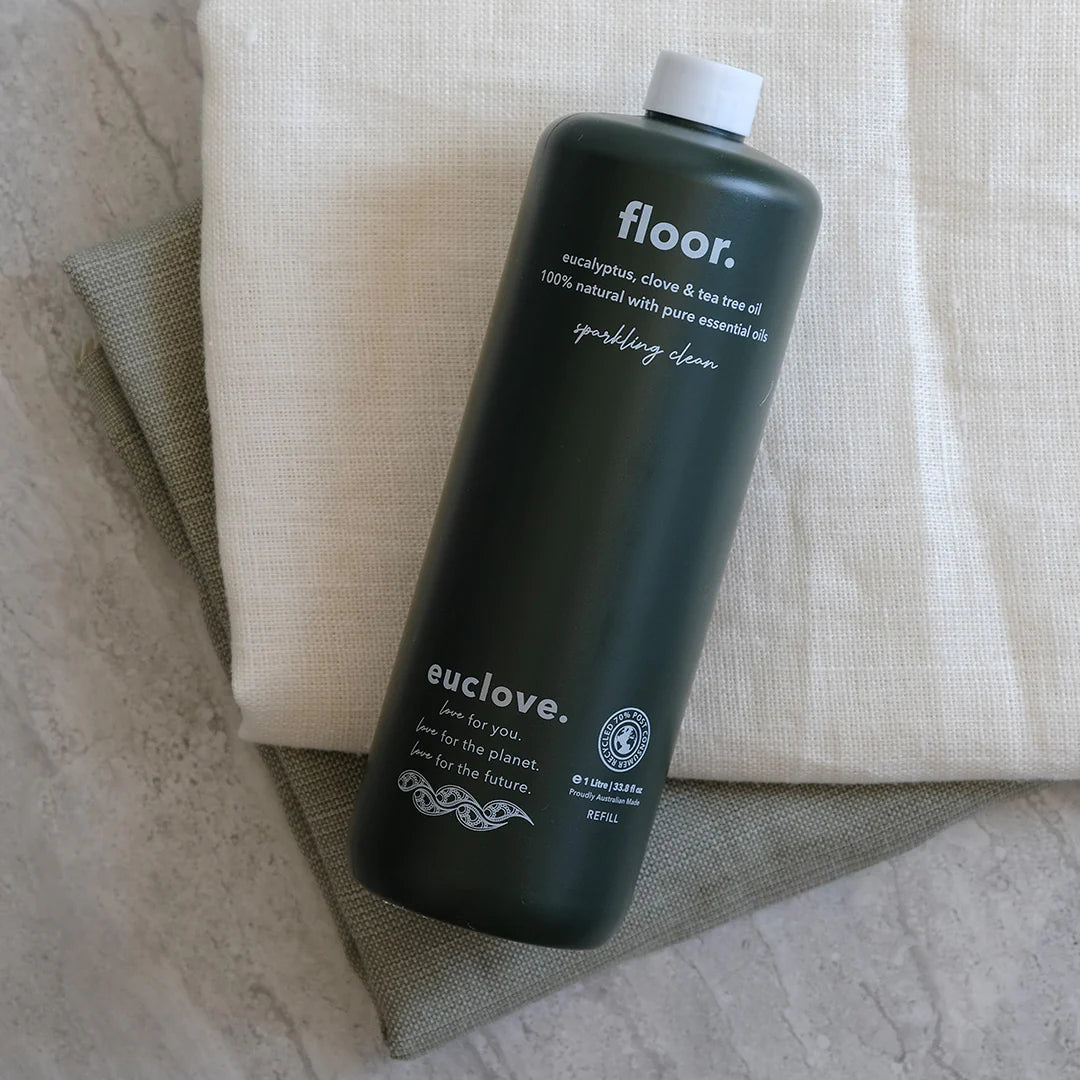
Benefits Of Essential oil Based floor cleaners - Eucalyptus, Clove and Tea Tree
-
Professional Cleaning Services in Singapore: What to Look For and What to Expect



Live — Singapore weather
Free humidity alerts &
mould prevention tips — live
Know when your home is at risk before mould grows. Aira sends real-time alerts based on Singapore’s weather — rain or shine.
Weather-triggered alerts
Humidity risk scoring
Prevention tips, free
Via Telegram, instant
Free · no sign-up required · Powered by Aira environmental intelligence