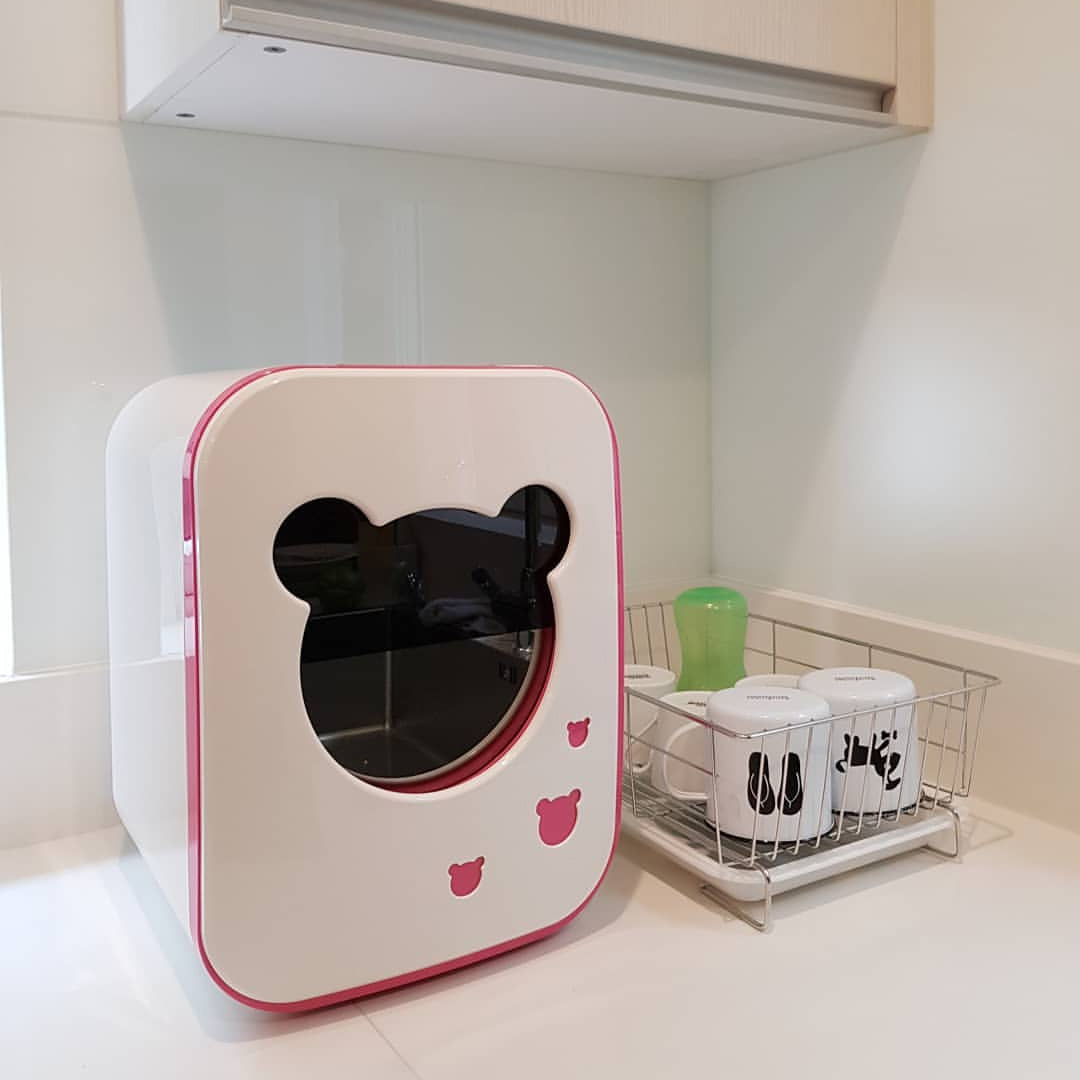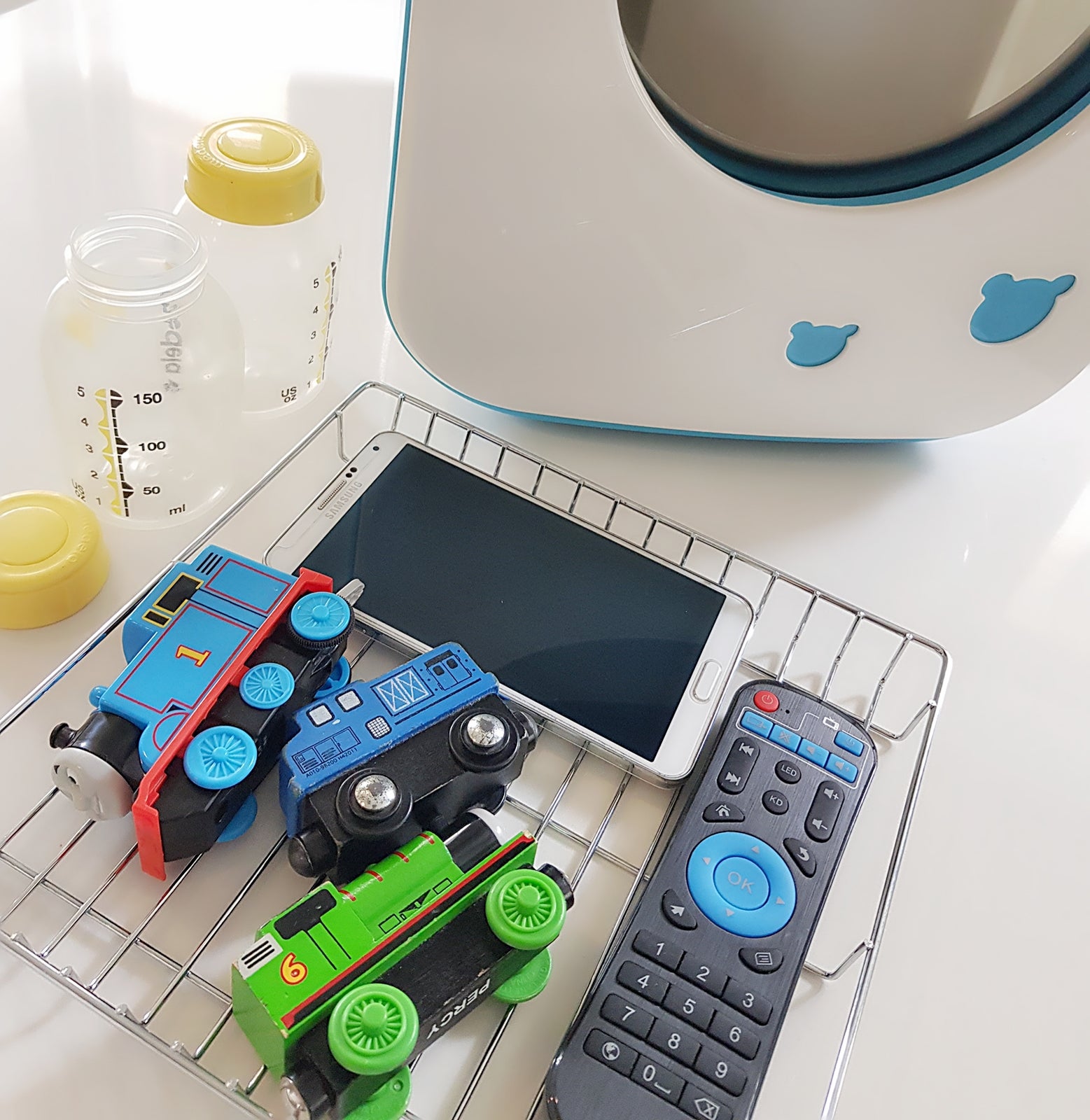
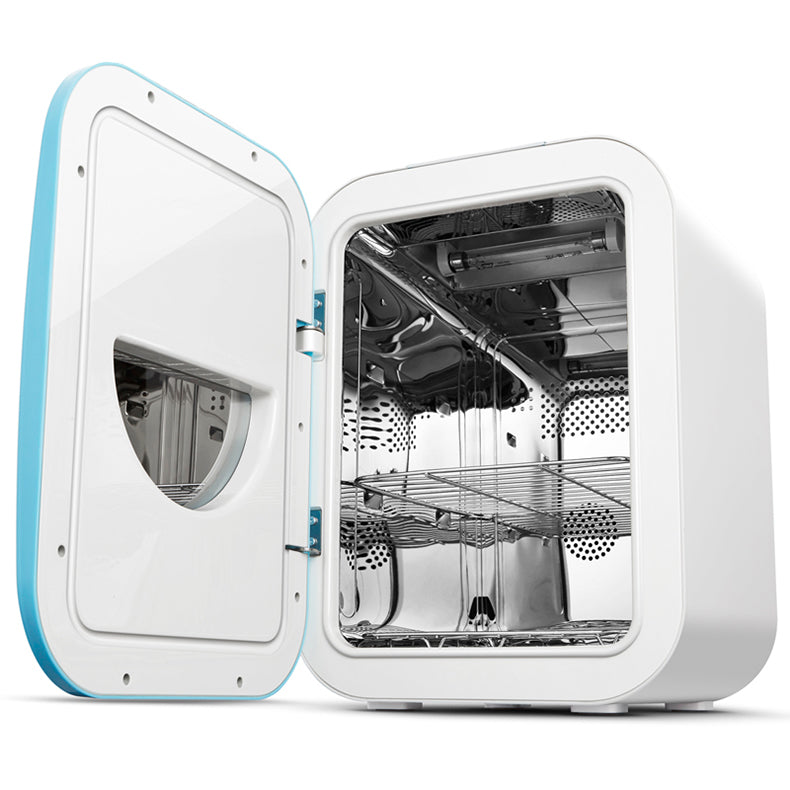
When buying a UV baby bottle sterilizer, there are a few key things that parents should look out for to ensure that they are getting a high-quality, safe, and effective product:
1. Efficacy: Make sure that the sterilizer is able to effectively kill or inactivate a wide range of microorganisms, including bacteria, viruses, and fungi. Look for products that are tested and proven to be effective at sterilizing baby bottles and other feeding items.
2. Safety: Choose a sterilizer that is made from materials that are safe for use with food and baby bottles. Some sterilizers may use UV-C light, which has been shown to be effective at inactivating microorganisms, but can be harmful to humans if they are exposed to it directly. Look for sterilizers that have safety features such as automatic shut-off or childproof locks to minimize the risk of accidental exposure to UV light.
3. Convenience: Consider factors such as the size and capacity of the sterilizer, as well as its ease of use. A sterilizer that can accommodate a range of bottle sizes and types is likely to be more convenient to use, as is one that has a simple, straightforward operation.
4. Durability: Look for a sterilizer that is made from high-quality materials and is built to last. This will ensure that you get good value for your money and don't have to replace the sterilizer frequently.
5. Compatibility: Make sure that the sterilizer is compatible with your baby bottles and other feeding items. Some sterilizers may be designed specifically for use with certain brands or types of bottles, so it's important to check that the sterilizer you are considering will work with your existing feeding items.
6. Price: Consider the cost of the sterilizer in relation to its features and performance. While it's generally a good idea to invest in a high-quality, reliable product, it's also important to be mindful of your budget and choose a sterilizer that fits your needs and resources.
7. Maintenance: Look for a sterilizer that is easy to clean and maintain. Some sterilizers may have removable and washable parts, which can make them easier to keep in good working order.
8. Noise: If you are concerned about noise levels, look for a sterilizer that operates quietly. Some models may be louder than others, so it can be helpful to read reviews or ask for recommendations from other parents.
9. Timing: Consider the sterilization time of the sterilizer. Some models may take longer to sterilize bottles and other feeding items than others, so it's important to choose a sterilizer that fits your needs and schedule.
10. Warranty: Look for a sterilizer that comes with a good warranty. This can give you peace of mind and provide a safety net if there are any issues with the product.
Live — Singapore weather
Free humidity alerts & mould prevention tips — live
Know when your home is at risk before mould grows. Aira sends real-time alerts based on Singapore’s weather — rain or shine.
Weather-triggered alerts
Humidity risk scoring
Prevention tips, free
Via Telegram, instant
Get free alerts on Telegram → Find out more at Aira →
Free · no sign-up required · Powered by Aira environmental intelligence